IPL Wavelengths: A Guide to Ranges and Cutoff Filters
IPL wavelengths form a broad, filtered band of light rather than one laser wavelength. Descriptions commonly span roughly 400 or 500 to 1,200 nm, but...

IPL hair removal side effects can include temporary redness, soreness, and swelling; burns, pigment changes, scarring, and eye injury are more serious risks. Expected discomfort is never permission to continue through increasing burning or severe pain.
A warm patch after treatment can be worrying, especially when product advertising makes recovery sound effortless. You may be deciding whether to use a home handset, checking a reaction after a clinic visit, or planning a hair-removal service. In each case, the useful question is what your symptoms mean and what to do next.
This guide separates mild reactions from warning signs and explains risk screening, aftercare, and when to seek medical help. It draws on government safety advice, skin-health guidance, and research reviews. Those sources describe risks across different devices and treatment settings, so they cannot predict your personal outcome.
There is no universal setting, recovery timetable, or suitability rule for every IPL system. Use the instructions for your exact device and seek qualified advice about your skin, medicines, and health history. The symptom table can help you explain what happened. It cannot tell you what injury you have or replace urgent care.
Key Takeaways
- Mild redness and soreness can follow IPL, but blistering and severe or worsening pain need medical assessment.
- Queensland Health warns that some negative reactions to light-based treatments appear up to 48 hours later.
- Recent tanning, medicines, skin condition, and device suitability belong in screening before each session.
- For a suspected skin burn, NHS first aid recommends 20 minutes of cool running water; seek appropriate medical care.
- New eye pain or changes in vision after exposure require urgent assessment.
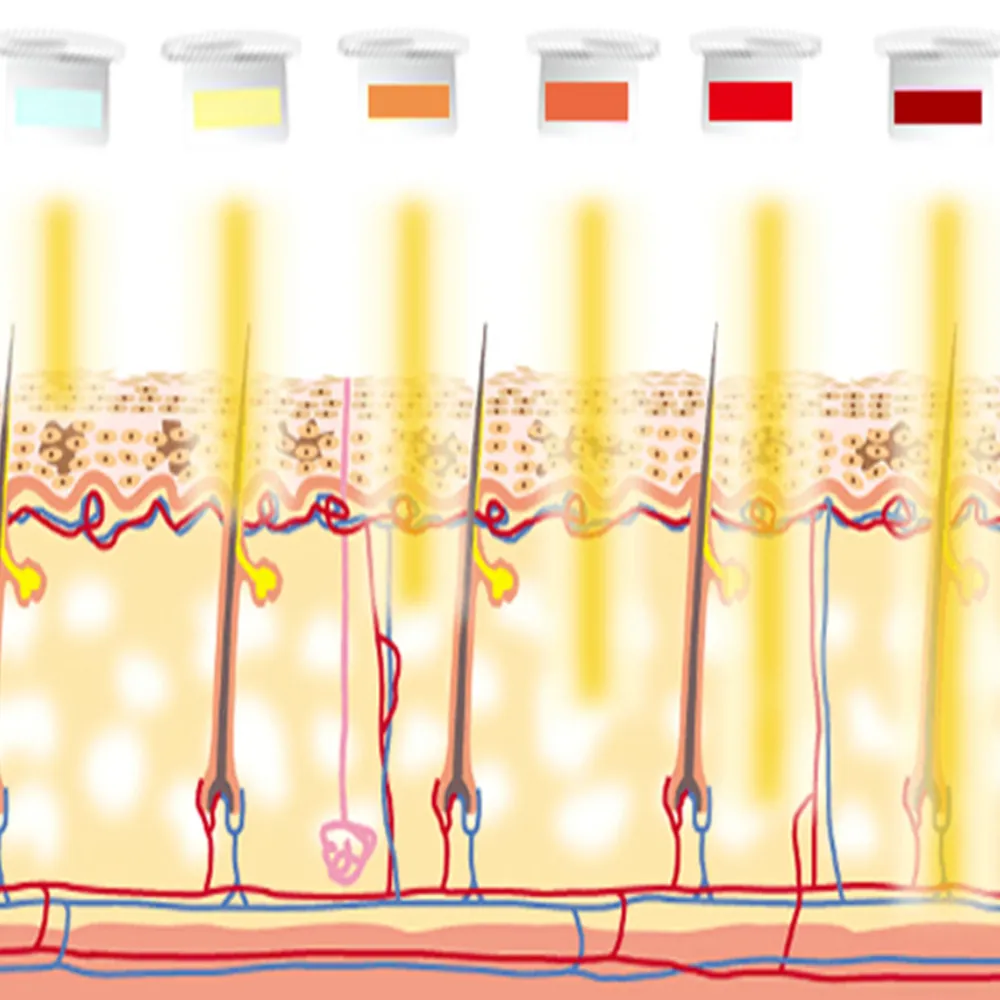
IPL means intense pulsed light. It delivers multiple wavelengths of light, rather than the single wavelength used by a typical laser. Pigment absorbs light and turns it into heat. Both hair and the skin around it matter when checking risk.
For a fuller explanation of the mechanism, read how IPL hair removal works. Understanding the mechanism helps explain why increasing heat should be reported, rather than treated as proof that a session is working.
DermNet’s IPL overview describes mild pinkness, soreness, and a sunburn-like sensation that may last a few days. These are general IPL observations, not a promise about every hair-removal device or treatment area.
| What You Notice | What to Do |
|---|---|
| Mild redness, tenderness, or slight swelling with intact skin | Follow the device or clinic’s aftercare and monitor for improvement. |
| Increasing burning during treatment | Stop exposure and tell the operator immediately. |
| Blisters, broken skin, severe pain, or worsening symptoms | Stop treatment and seek prompt medical assessment. |
| New darker or lighter patches | Pause further exposure and arrange a clinical review. |
| Eye pain, blurred vision, or other visual changes | Seek urgent eye or emergency assessment. |
The direction of change matters. Watch for pain that gets worse, spreads, or damages the skin. Do not dismiss it because redness was listed in a consent form. When you’re unsure whether symptoms fit the aftercare advice you received, contact a healthcare professional.
Illustrative scenario (fictional): During a lower-leg session, Jordan notices that warmth has become a burning sensation. They tell the practitioner before another pass. The practitioner stops exposure, checks the area, records the device settings, and arranges medical care. The outcome is a stopped session and a documented care decision, not a promised recovery or proof that the reaction was harmless.
Queensland Health’s light-based treatment guidance lists burns, blisters, pigment changes, permanent scars, infection, eye damage, and increased hair growth among possible harms. It covers laser and IPL services broadly. These are known hazards. The list does not tell you how often they occur with your device or clinic.
IPL burns are injuries. They are not a required step toward less hair. Stop treatment if pain becomes unexpected or excessive, and seek immediate medical advice for blistering or severe reactions. A clinic’s reassurance should not delay care when symptoms are getting worse.
Broken skin needs care. Infection is one of the known risks. Increasing redness, discharge, or feeling unwell are reasons to seek medical assessment. Don’t try to diagnose the depth of a burn from a photograph or cover it with cosmetic products to continue your day.
Hyperpigmentation means darker patches; hypopigmentation means lighter patches. Both can occur after light-based treatment, and some skin damage can leave lasting scars. There is no fixed healing time for all skin-color changes.
Advice about treated brown spots darkening after an IPL photofacial does not automatically explain a new dark patch after hair removal. The treatment purpose and skin findings differ. Pause further sessions and have new changes assessed rather than treating them again to even out the color.
Eye damage is a recognized light-treatment hazard. Use the protection and treatment-area restrictions specified for the exact system, including the right protective eyewear in professional settings. Closing your eyes or looking away is not a replacement for required protection.
If you develop eye pain, blurred vision, or other visual changes after exposure, seek urgent assessment. Do not wait for the next hair-removal appointment or use this article’s skin-cooling advice on your eyes.
Paradoxical hypertrichosis means increased hair growth after a treatment intended to reduce it. A 2021 review by Snast and colleagues combined 22 studies involving 9,733 patients treated with lasers or IPL. The pooled estimate was 3%, with a 95% confidence interval of 1–6%.
Results varied greatly between studies, with an I² value of 97%, a measure of how much results differ. Face and neck treatment was associated with this effect. The estimate is not IPL-only, home-device-specific, or your personal risk; most included studies were based on watching patients rather than assigning treatment at random.
If hair seems thicker or grows beyond the treated area, seek a review before more treatment. Do not respond by increasing settings or adding sessions yourself.
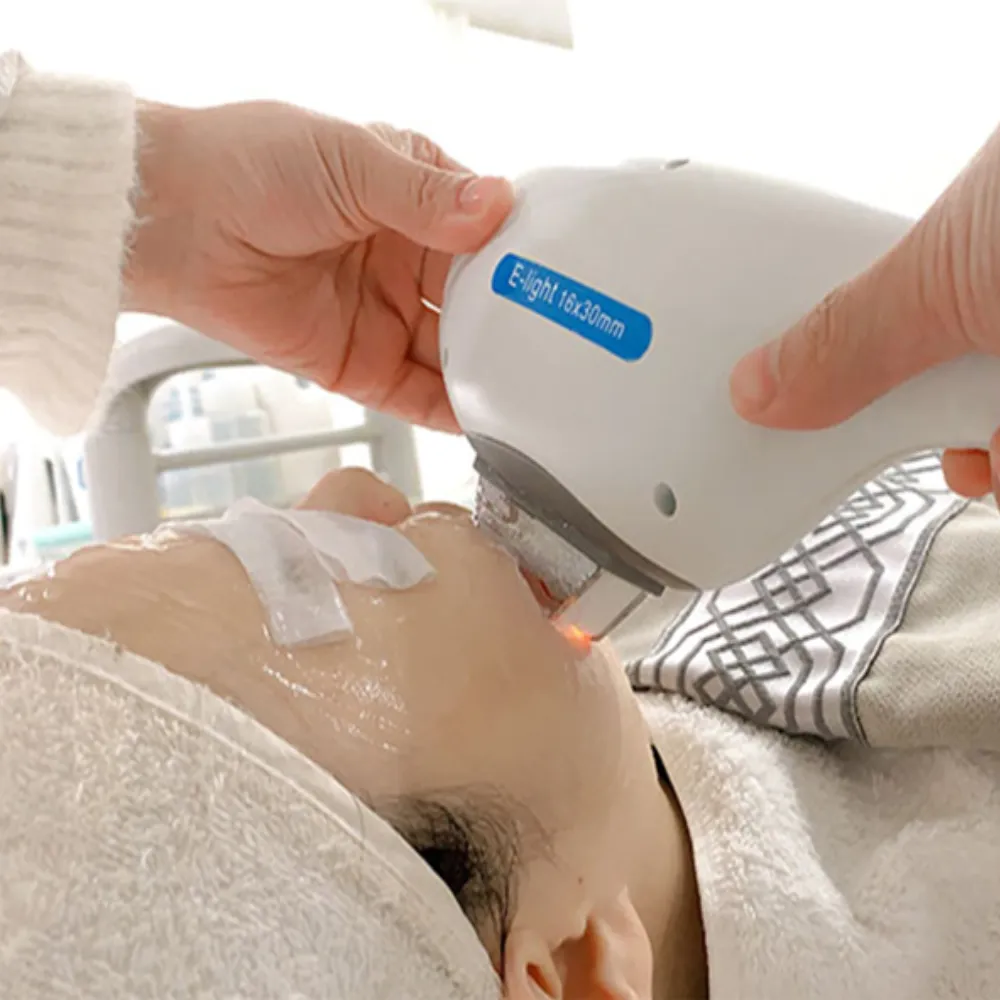
IPL hair removal risks depend on the person, body area, device, and how it is used. IPL hair removal side effects can also change from one session to the next. A session without problems does not make every future visit safe. Screening should check what has changed since the last session.
Melanin is pigment found in both hair and skin. Light can heat pigment in the skin. Take extra care when checking whether IPL suits darker skin or a recent tan. A system’s permitted skin tones and treatment areas should be checked in its own instructions.
Our discussion of IPL suitability for darker skin provides further background. Device rules still apply. You also need advice based on your own skin. A photograph, an online skin chart, or a seller’s broad assurance is not enough reason to go ahead.
Tell the operator about recent sun exposure, tanning, and any change in skin color. Do not assume that a lower setting makes an otherwise unsuitable device safe. If the instructions exclude your skin tone or current condition, do not use it.
Some medicines increase sensitivity to light, and skin disease or active irritation can affect treatment planning. Disclose prescription medicines, products bought without a prescription, and relevant health conditions to the practitioner. For home use, check the device warnings and ask the prescriber or pharmacist about medication concerns.
Never stop prescribed medicine just to make an IPL appointment possible. An online drug list cannot tell you how long to wait safely. A new prescription is a reason to check the plan again. This applies even if you had no problems last time.
Ask a qualified clinician about pregnancy, a history of skin cancer, or a suspicious or changing lesion before considering treatment. A clinician must assess these questions alongside the device rules. This guide provides no assurance of safety in pregnancy and no permission to flash over an unexplained skin lesion.
Reducing IPL hair removal side effects starts with deciding whether treatment should happen at all. Getting ready involves more than choosing a setting or shaving the area. It includes instructions, screening, protection, and a plan for unexpected symptoms.
Read the instructions for use for the exact model, not a similar-looking handset. Check approved areas, skin and hair suitability, preparation, exposure intervals, and exclusions. Clinic staff also need training for that system and must meet local rules.
Follow the patch-test steps and waiting period in the instructions. A patch test helps check risk. Passing one does not mean later treatment will be free of burns or other reactions. Do not shorten the waiting period because the skin looks normal immediately afterward.
Use the eye protection the system requires, avoid areas excluded by the instructions, and do not add repeated passes outside the protocol. Report discomfort as it develops. Stop if cooling seems to fail or the device behaves oddly. Have it checked before using it again.
Illustrative scenario (fictional): Alex plans a home session on their forearms and notices that a newly prescribed medicine carries a light-sensitivity warning. They put the handset away and contact the pharmacist and prescriber. They also check the model’s medicine restrictions. The session stays paused until those questions are resolved; they do not miss a dose or borrow another user’s waiting-period advice.
For mild discomfort on intact skin, follow the written aftercare provided for the treatment. DermNet describes cooling measures for ordinary discomfort and advises sun protection. Avoid further light exposure until the instructions and any clinical advice allow it.
A suspected burn needs a different response. NHS burns first aid recommends cooling with cool running water for 20 minutes as soon as possible, within three hours of injury. Do not use ice, burst blisters, or apply creams, oils, or butter as initial burn care.
Large, deep, facial, or genital burns need emergency care; use your local emergency service. Seek prompt medical assessment for blistering, severe pain, or uncertainty about a burn. Cooling should not delay getting help.
Queensland Health notes that IPL hair removal side effects and other light-treatment reactions may appear up to 48 hours later. Keep the clinic’s contact details and written instructions, and watch for worsening symptoms. Do not wait out severe symptoms. An expected healing time does not make them safe to ignore.
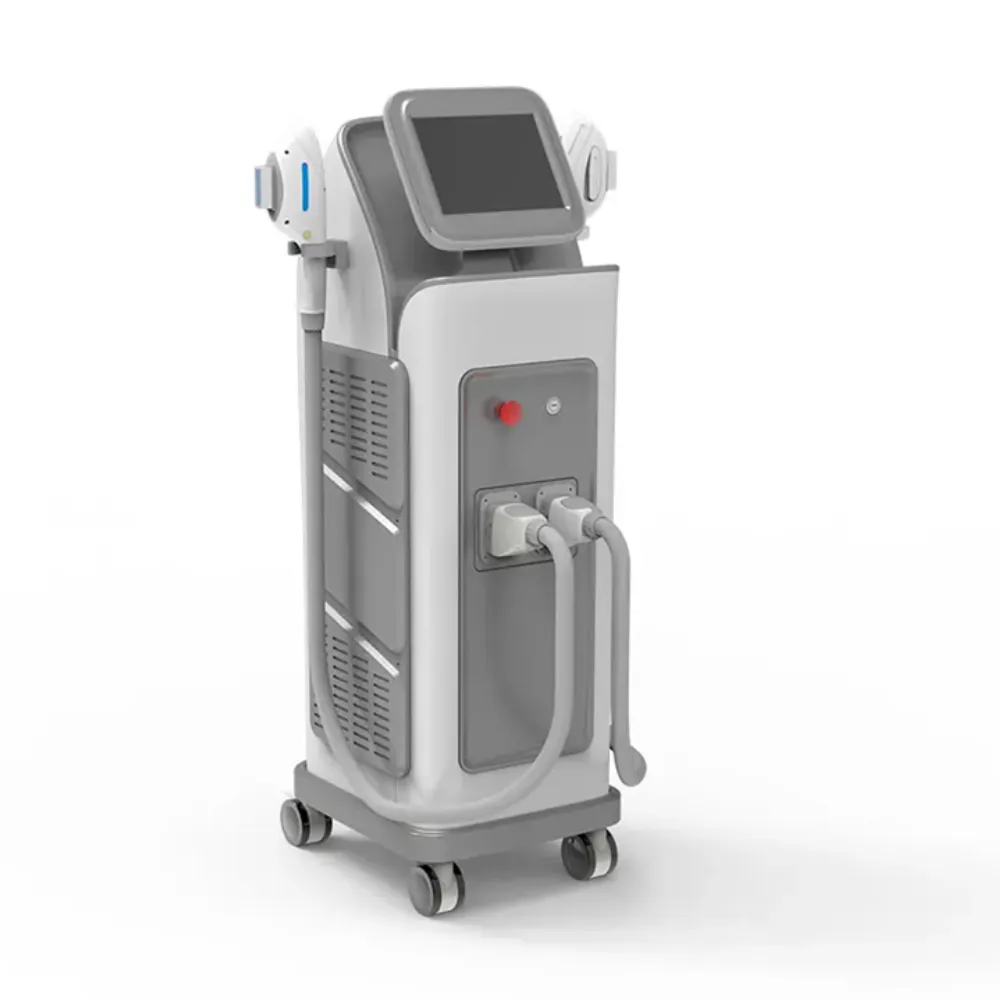
A buying decision should include how the clinic will spot and respond to IPL hair removal side effects. A specification sheet alone cannot answer whether a device fits your intended patients, treatment areas, and local requirements.
Use the IPL machine selection guide for broader purchasing questions. For safety planning, ask the supplier for documents tied to the exact model and configuration:
Keep the plan for getting medical help separate from the way to contact the supplier for technical support. A person with a suspected injury needs medical assessment, even while the clinic checks the equipment and how it was used. Record settings, treatment area, symptoms, and actions taken so the event can be reviewed.
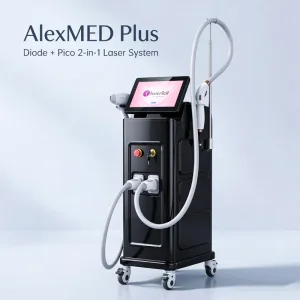
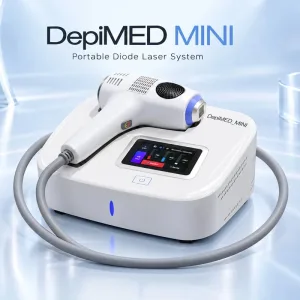
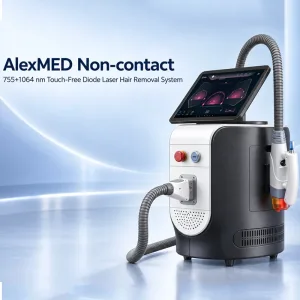
Beijing LaserTell Medical Co., Ltd. lists IPL equipment in its product catalog. You can review the IPL systems catalog to identify models for a documentation enquiry. A category listing does not establish a specific model’s clinical performance, skin-type suitability, or regulatory status.
Home IPL can still cause harm, and suitability depends on the exact device and user. Follow its skin-tone, body-area, medicine, and health restrictions. Stop if you experience unexpected pain, skin damage, or an equipment fault.
If you’re asking, “Is IPL safe for me?”, seek advice about your own risk factors rather than relying on another user’s experience. Home and clinic devices have their own rules. Do not transfer settings or schedules between them. A successful patch test or built-in sensor does not justify ignoring the instructions.
DermNet describes mild IPL soreness and pinkness lasting a few days, but recovery varies. That general description cannot set a safe waiting period for burns, new pigment changes, or worsening symptoms. Ask the treating clinician about persistent reactions, and seek earlier care for warning signs.
Some IPL hair removal side effects appear after you leave the clinic. Document when symptoms start and how they change, while getting care based on how severe they are. Do not postpone help so you can complete a full observation period.
Increased growth is a recognized possible effect called paradoxical hypertrichosis. The 2021 review of lasers and IPL linked this effect to face and neck treatment. Results differed widely between studies. It cannot tell you your risk with a specific home device.
If you notice this change, pause and request a clinical assessment. Taking extra passes or turning up the power without supervision is not an appropriate response.
A 2017 review by Ash and colleagues found no evidence suggesting a credible causal cancer risk in the laser/IPL evidence available then. The authors also cautioned that this did not rule out long-term risks. It reviewed the evidence available in 2017. It does not prove that lifetime risk is zero.
That distinction matters when asking about IPL hair removal side effects and cancer. No proven link does not mean you should treat a suspicious skin spot. Ask a clinician to assess changing or unexplained skin findings before cosmetic exposure.
Yes, eye injury is a recognized risk of light-based cosmetic treatment. Follow the exact device’s eye-protection and treatment-area rules. Never assume a closed eyelid, ordinary sunglasses, or looking away provides the protection specified by the manufacturer.
New eye pain or changes in vision after exposure need urgent medical care. Tell the clinician what happened and which device was used, if known. Do not attempt another flash to check whether the problem repeats.
Start with the symptoms you have now. Mild, improving redness on intact skin calls for the written aftercare and monitoring appropriate to your treatment. Blistering, severe or worsening pain, broken skin, and new pigment changes call for medical assessment. Eye pain or changes in vision require urgent attention.
If you’re planning a session, review your exact device’s instructions and disclose changes in medicines, tanning, and skin health. Confirm who will respond if something goes wrong. Do not restart after a suspected injury until you have been assessed and told how to proceed.
Clinic owners can request model-specific IPL documentation when comparing equipment. Ask about intended use, exclusions, protection, maintenance, and the evidence relevant to your market. Keep those purchasing questions separate from a patient’s need for care.
Understanding IPL hair removal side effects helps you recognize when to stop, what information to share, and when to seek help. A careful next step begins with your symptoms and suitability, supported by a qualified clinician and the instructions for your system.
 21Nov
 20Nov
 19Nov
 18Nov