How a Body Slimming Machine Works: Heat, Vacuum and Ultrasound Explained
Key Takeaways What a Body Slimming Machine Actually Does If you ask a practitioner what body contouring means, the answer may surprise you: nobody is...

Choose an IPL hair removal machine by matching its documented patient suitability, optical controls, cooling, and support to your clinic’s work. The lowest price can hide a smaller package, while the largest electrical wattage alone tells you little about treatment performance.
Two offers can carry the same equipment label yet include different filters, handpieces, training, and replacement terms. You need those differences in writing before deciding whether one quote represents better value. A long application list doesn’t answer the practical question: can your team use and maintain this exact configuration for its intended services?
This guide explains how to compare a professional IPL hair removal machine without confusing consumer devices, laser specifications, and seller promises. You’ll work through patient eligibility, optical units, cooling evidence, ownership costs, and device documents. The comparison worksheet gives your clinical lead, purchasing team, and supplier one shared checklist. It also helps you identify what is still missing before you commit to equipment or announce a new service.
Key Takeaways
– An IPL hair removal machine uses filtered broadband light; it is distinct from a diode laser.
– Compare the exact model, handpieces, and intended-use documents before comparing prices.
– Electrical watts, optical joules, and fluence in J/cm² describe different quantities.
– Request cooling and output evidence under a defined workload, plus written replacement and service terms.
– Match destination-market documents to the supplied configuration; a company name or registration alone is insufficient.
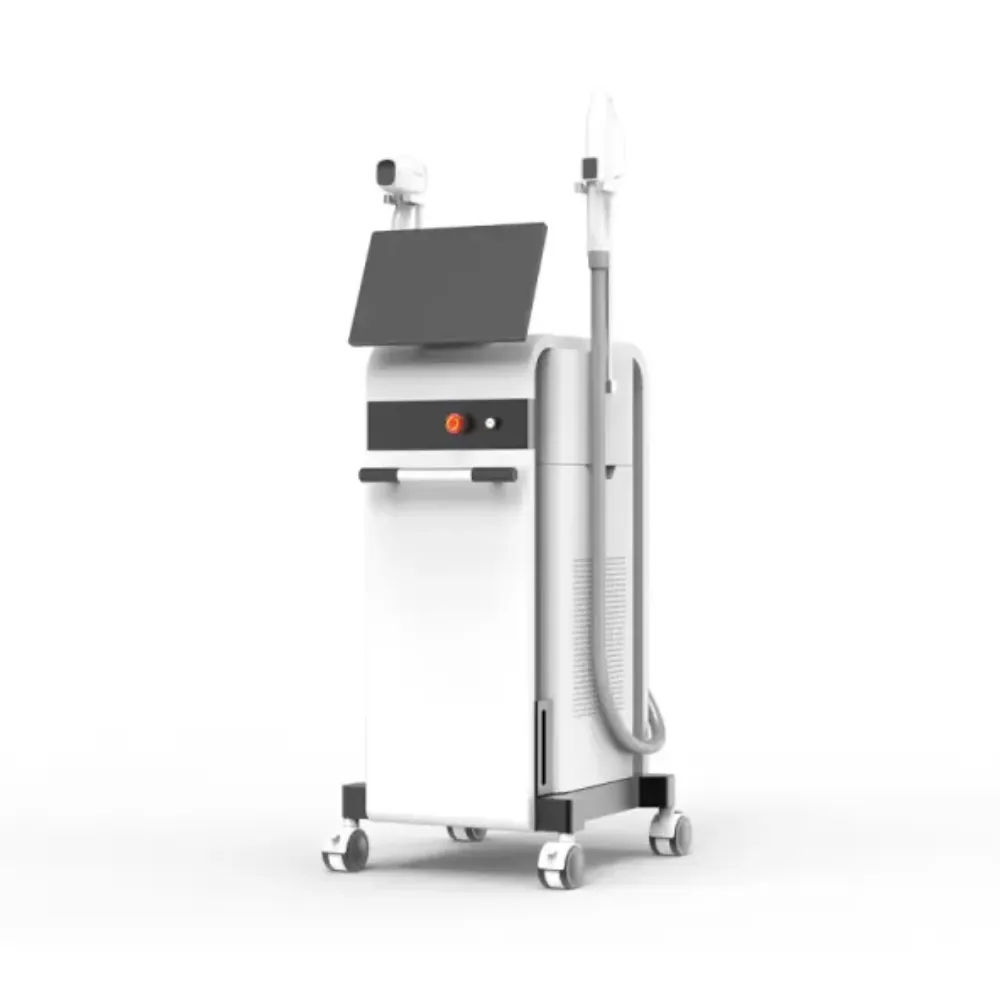
An IPL hair removal machine uses intense pulsed light: a broad light spectrum shaped by filters. Melanin, the pigment in hair, absorbs light and converts it into heat that can damage hair-producing structures. Suitability and results depend on the device, patient characteristics, treatment area, and clinical assessment.
An IPL hair removal machine should be assessed against evidence for hair reduction, rather than a promise to remove every hair forever. Ask which body sites, patient groups, follow-up periods, and outcome measures support the proposed use. Before-and-after photographs alone leave these questions unanswered.
A 2022 systematic review, summarized by the University of Aberdeen, found five eligible randomized trials involving 223 patients across laser and light-based technologies. Those totals are not IPL-only evidence. The abstract highlights differences between body sites and the limited long-term evidence base; it doesn’t establish a result for a LaserTell model.
To begin a model-specific shortlist, explore LaserTell’s professional IPL systems and request the configuration behind each offer.
A home handset’s instructions, eligibility chart, or study cannot establish how a clinic platform should be used. Likewise, a professional enclosure or a higher advertised power does not independently establish better clinical results.
For a professional IPL machine, review its own instructions for use, intended operator, permitted applications, accessories, and maintenance needs. Confirm who provides training and how your team demonstrates competence. Product categories are a starting point for selection; exact-device documentation is what lets you assess an offer.
Start with your intended services and the patients your practitioners assess. A professional IPL hair removal machine must fit that work within its documented limits. Buying first and trying to stretch the treatment menu afterward creates avoidable uncertainty.
Ask your clinical lead to compare the manufacturer’s eligibility guidance with your expected patient population. Skin pigmentation, hair characteristics, recent tanning, medicines, and relevant medical history require appropriate assessment. Do not replace that assessment with a sales claim that one platform treats everyone.
The Australian radiation protection agency’s provider guidance on lasers and IPL addresses training, client assessment, and protection against skin and eye injury. Use qualified practitioners and exact-device instructions to establish your local process. This buying guide does not provide treatment settings or determine an individual’s eligibility.
Ask how the supplier supports consultation, consent, eye protection, patch-testing requirements, and adverse-event escalation for the proposed system. Get the applicable documents and training scope. A preset menu on an IPL hair removal machine is not a substitute for professional judgment.
If hair reduction is the main service, assess whether an IPL platform or a laser system better fits the documented clinical requirements. Our diode laser versus IPL guide for clinics covers that separate equipment decision.
For a broader menu, request indication-specific evidence and documentation for each proposed application. Extra filters or handpieces don’t establish authorization or prove that the same team can deliver every advertised service. Keep the IPL vs diode laser comparison focused on actual systems, rather than declaring a universal winner from the technology name.
Write a one-page purchasing requirement before seeking demonstrations. Include intended services, expected booking patterns, room constraints, operator qualifications, and destination market. That document keeps every supplier responding to the same need.
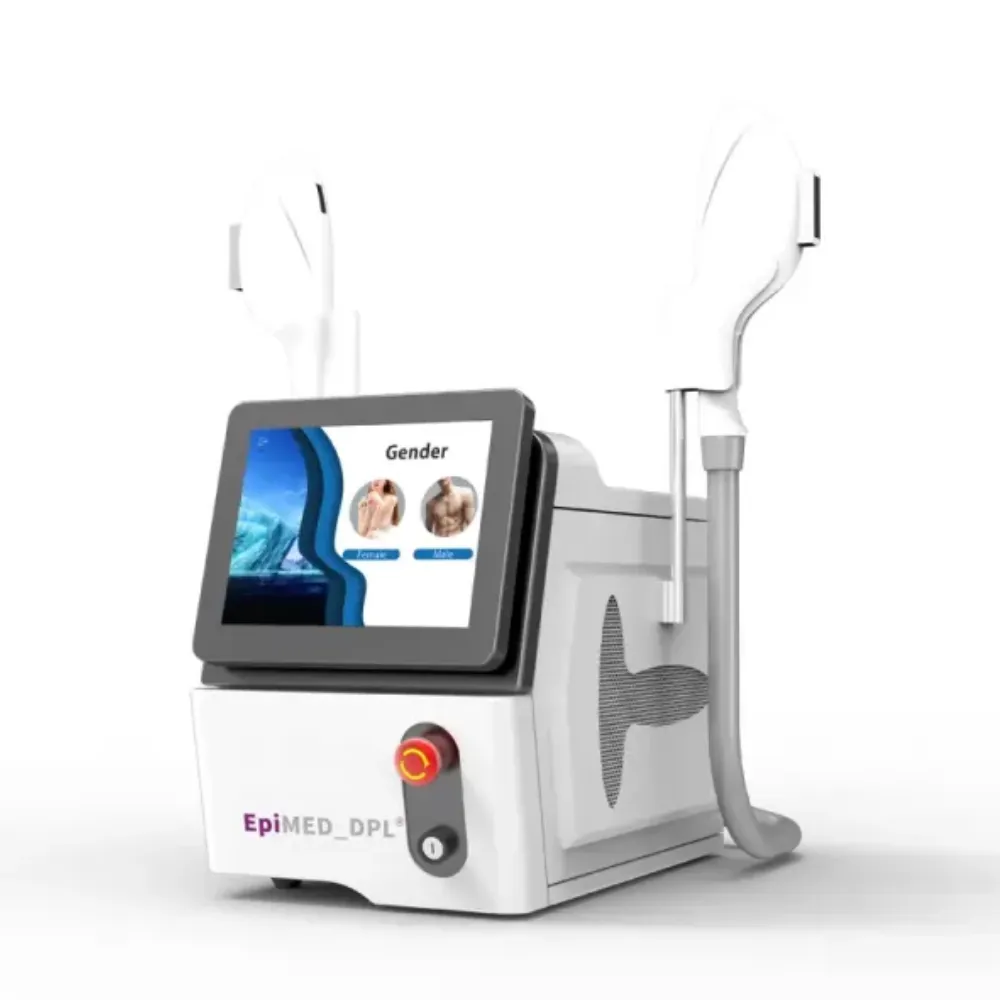
A useful IPL hair removal machine specification explains what is delivered, where it is measured, and under which conditions. If two suppliers use different definitions, their headline numbers may be impossible to compare.
A filter may remove wavelengths below a cutoff or transmit a defined band. Neither description turns IPL into a single-wavelength laser. Ask for the transmitted range and filter type for each included handpiece.
Electrical input power, measured in watts, describes electrical demand. Optical pulse energy, measured in joules, describes light energy. Fluence, measured in J/cm², describes energy per unit area. These quantities are related to system design, but they aren’t interchangeable performance scores.
Ask whether the quoted output is measured at the treatment window and which spot size, pulse mode, and repetition rate apply. A maximum value without those conditions is an incomplete description of an IPL hair removal machine.
Pulse duration describes how long light is delivered. Pulse delay describes spacing between pulses in a sequence. Repetition rate describes how frequently pulses or sequences can be delivered under a specified mode; ask the supplier to define it.
Ask for test records at the settings your team needs to review. Don’t assume all the highest values can be used at once. For cooling tests, ask where the sensor was placed, how warm the room was, and how long the device ran. Check the workload too.
The cooling procurement checklist offers useful questions about measurement and testing under load. It concerns diode equipment; its construction details, temperatures, and operating procedures must not be transferred to IPL.
A demonstration of an IPL hair removal machine should document the tested configuration and who conducted the assessment. Ask what happens when cooling or flow faults occur, and what service response follows. A photograph of a cold tip cannot answer those operational questions.
Copy the table into your purchasing document. For each supplier, record the answer, its source, and one status: confirmed, awaiting evidence, or unsuitable.
| Compare this field | Supplier A | Supplier B | Evidence to request |
|---|---|---|---|
| Exact model, version, and handpieces | Record answer | Record answer | Dated configuration list |
| Intended use and patient eligibility | Record answer | Record answer | Exact-model instructions and qualified review |
| Spectrum and filter type | Record answer | Record answer | Transmitted range and filter specification |
| Fluence, pulse controls, and spot size | Record answer | Record answer | Definitions and measurement conditions |
| Repetition rate and cooling under load | Record answer | Record answer | Defined workload and test record |
| Lamp and handpiece replacement | Record answer | Record answer | Part identifiers, prices, and exclusions |
| Training and service responsibility | Record answer | Record answer | Delivery scope and repair route |
| Destination-market documentation | Record answer | Record answer | Matching model, manufacturer, and intended use |
| Ownership budget | Record answer | Record answer | Itemized equipment, setup, care, and service costs |
SHR, OPT, and DPL labels need the same scrutiny. Ask what light source, filtering, and pulse behavior each label describes on the offered IPL hair removal machine. Similar labels do not establish identical hardware or performance.
Use the worksheet to request a configuration-specific comparison before booking a demonstration. Leave unresolved requirements visible; a low price cannot settle a missing eligibility or documentation answer.
An IPL hair removal machine price only becomes useful when you know what it includes. Compare quotations with the same configuration, currency, delivery basis, and validity period. Keep home-device prices and patient treatment fees out of an equipment comparison.
List the platform, included accessories, delivery, import charges, installation, training, and any finance costs. Ask which items are excluded. Check site requirements such as electrical supply, access, ventilation, and space against the supplier’s installation instructions.
A quote for an IPL hair removal machine may include introductory training without covering later staff onboarding or refresher sessions. Written scope makes this distinction visible. Ask whether travel, translation, or remote setup carries additional charges.
Fictional purchasing example: In November, Alex compares two offers for one treatment room. One includes two handpieces and remote training; the other includes one handpiece and on-site setup. Alex requests prices for the same package before presenting either offer to the clinic director. The result is a comparable budget, not evidence that either platform produces better treatment outcomes.
Lamp life is not a warranty period. Ask how the supplier defines usable life, which operating conditions apply, and whether replacement means changing a lamp, cartridge, or complete handpiece. Confirm whether any counter reset, calibration, or service visit is required.
For each IPL hair removal machine, record replacement prices, routine maintenance, approved consumables, shipping for repairs, and support charges. Check whether parts remain available for the period you plan to own the device. Request the repair location and responsibility for transport.
Calculate IPL machine cost over the years you plan to keep it. Add purchase, setup, planned care, parts, service, and finance. Write down what you assumed. A sales forecast is a separate task: it needs likely bookings, eligible patients, staff time, room capacity, and time lost to repairs.
If you model a break-even point, use contribution after operating expenses rather than gross treatment revenue. Test a lower booking level and a repair interruption. Neither a supplier’s lamp-life claim nor a busy diary guarantees payback on an IPL hair removal machine.
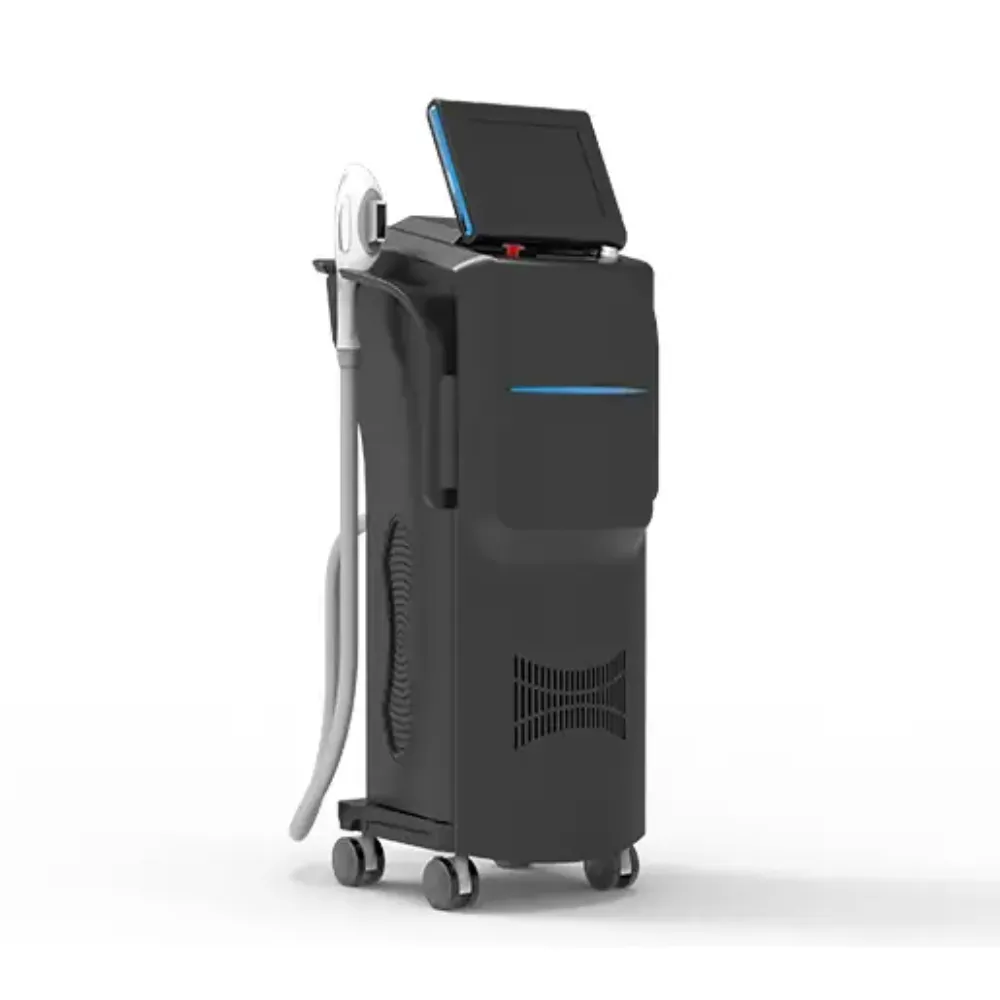
Before ordering an IPL hair removal machine, match the quotation to the device label, instructions, configuration, and destination-market documents. Check manufacturer and model identity throughout. If documents use different names, request a clear explanation and supporting records.
The US Food and Drug Administration explains in its 510(k) program transcript that 510(k) clearance is distinct from premarket approval. Establishment registration and device listing are also different from clearance. A database entry needs to match the relevant device scope; a supplier’s company name alone is insufficient.
For an IPL hair removal machine offered for your market, ask the supplier to identify the applicable regulatory route and provide supporting documents. Verify the intended use and configuration with a qualified local adviser where needed. Requirements in another country do not automatically resolve yours.
A quality-system certificate, a product conformity document, and a marketing authorization serve different purposes. Check the holder, covered products, issuing body, dates, and scope. Don’t infer that a clearance for a diode system applies to IPL equipment from the same manufacturer.
Training should cover the supplied device and what each staff member must do. Ask what is taught, how skills are checked, and how staff can get help. Check whether repeat training is available when new staff join. The supplier’s course must fit your team’s role and local rules.
Fictional distributor example: Sam is preparing a private-label order for three clinics. The draft quote identifies one configuration, but the sample manual names another. Sam requests a reconciled model list and training responsibility before approving artwork. The order remains under review until the documents agree; this avoids treating a new logo as proof that regulatory and service questions are settled.
Beijing LaserTell Medical Co., Ltd. lists IPL equipment and offers OEM/ODM customization services. Original equipment manufacturer/original design manufacturer work may involve branding, interface, or packaging requirements. Confirm feasibility, documentation responsibilities, warranty, and delivery terms for the specific order.
Retain the final quote, agreed configuration, training record, maintenance schedule, and service contact together. Your team should be able to identify who owns an unresolved issue without searching through sales messages.
Suitable IPL systems can reduce hair growth, but a result must be judged for the actual device, patient group, treatment site, and follow-up period. Ask for applicable evidence and realistic expectations. A study involving another platform or a different body site does not establish the same outcome for your proposed system.
The best fit is the system that meets your documented clinical, operational, service, and market requirements. There is no universal winner based on wattage, price, or the number of application icons. Shortlist a professional IPL hair removal machine only after your clinical and purchasing teams review the same configuration.
Request a dated quote for the exact package and destination. Without that scope, an advertised figure cannot establish your delivered cost. Compare equipment, setup, training, handpiece replacement, maintenance, and repair arrangements; also confirm tax, import, and finance assumptions before approving a budget.
Limitations include device-specific patient eligibility, repeated-treatment needs, and ongoing equipment care. Skin burns, pigment changes, and eye injury are potential risks requiring appropriate assessment, training, protection, and operating procedures. Have a qualified practitioner review the exact system and intended services before introducing treatment.
IPL is not a diode laser: it uses filtered broadband light, while diode systems use laser sources. This matters when comparing evidence, controls, accessories, and staff training. Neither label alone determines the right equipment for every clinic. Don’t transfer specifications or procedures between technologies.
Choose your IPL hair removal machine from a documented requirement, then compare the configuration behind each offer. Start with intended use and patient eligibility. Next, check how optical output and cooling are defined, establish parts and service costs, and match the documentation to your market.
Give every unresolved question an owner and a deadline. Ask your clinical lead to assess eligibility and evidence, your purchasing team to reconcile costs, and the supplier to clarify configuration and support. Keep those decisions together so later changes to handpieces or branding trigger a fresh check of the affected documents.
You don’t need a universal equipment winner. You need a defensible choice for your services, team, and operating conditions. A completed worksheet makes that decision easier to explain and leaves a useful record for training and maintenance after delivery.
To discuss an IPL hair removal machine for your clinic or distribution business, send your destination market, intended services, and expected workload. Request model specifications and a quote so the comparison begins with a defined configuration.
 13Nov
 13Nov
 11Nov
 10Nov