How a Body Slimming Machine Works: Heat, Vacuum and Ultrasound Explained
Key Takeaways What a Body Slimming Machine Actually Does If you ask a practitioner what body contouring means, the answer may surprise you: nobody is...

IPL for dark skin is not safe for every person or device. The exact model, body area, and current skin tone matter. If a home device rules out your tone, leave that area untreated and discuss other options with a clinician who treats skin of colour.
A skin sensor does not mean every skin tone can be treated. Shopping advice can be confusing when one brand includes a tone that another rules out. Words such as brown, dark brown, or “suitable for everyone” cannot settle that difference.
This guide explains how to assess IPL for dark skin without copying a reviewer’s routine or a generic settings chart. You’ll learn what to check in a home device’s manual and how clinic laser options differ. Clinic buyers will also find questions to ask before choosing equipment or offering a service.
The discussion draws on dermatology guidance and named device maker sources. It is general education. A personal skin check and the manual for the actual device still guide whether treatment should go ahead.
Key Takeaways
- IPL uses a range of light wavelengths; skin pigment can absorb energy meant for hair follicles.
- Home-device tone limits differ. A sensor or skin test does not override a stated limit on use.
- DermNet identifies long-pulsed 1,064 nm Nd:YAG as its safest hair-removal laser option for skin of colour. A careful skin check still matters.
- A 1,064 nm diode and a Q-switched Nd:YAG are different from a long-pulsed Nd:YAG hair-removal system.
- Being able to receive hair removal does not mean the same device should treat melasma or dark spots.
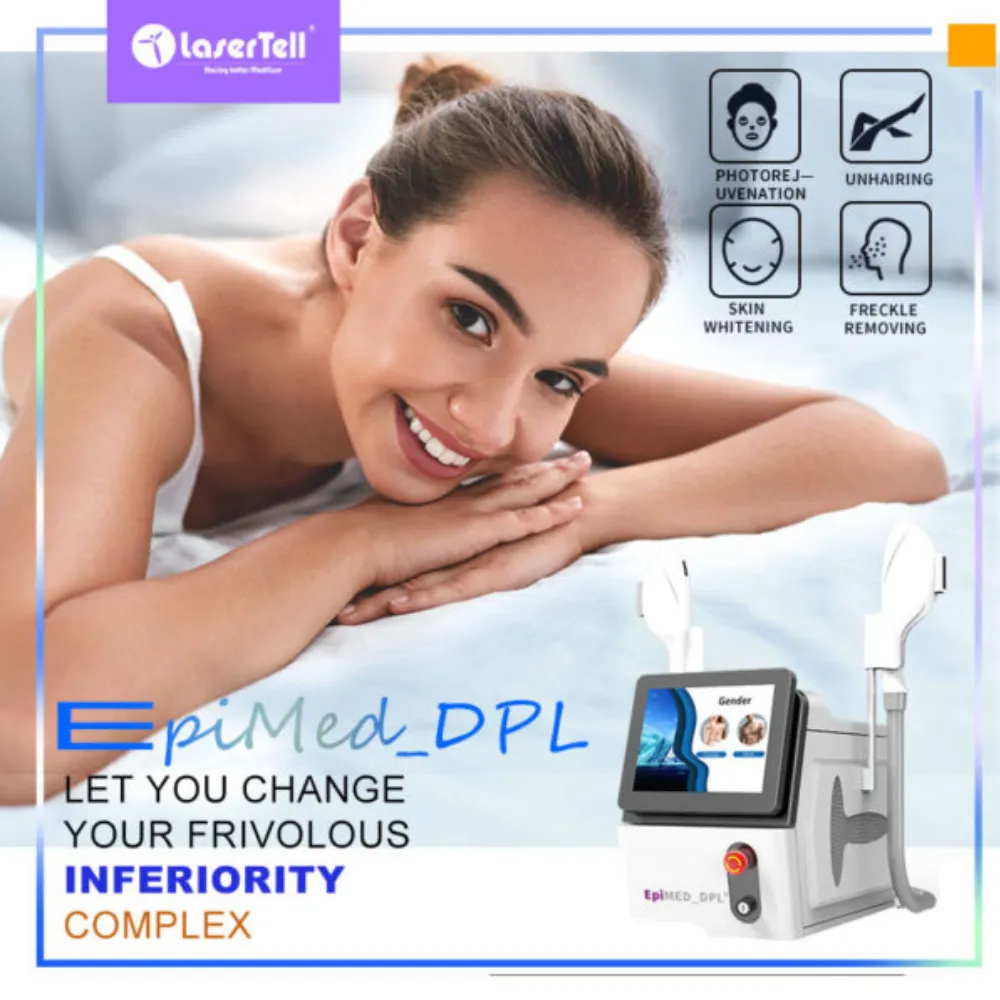
Intense pulsed light (IPL) sends filtered light pulses into the skin. Each pulse contains a range of wavelengths. IPL hair removal relies on pigment in the hair taking up that light and turning it into heat.
Melanin is the pigment in hair, but it is also present in the epidermis, the outer skin layer. That shared target explains the concern about IPL for dark skin. The skin can take up light that was meant to affect hair follicles.
DermNet’s IPL guidance describes blistering when skin pigment absorbs too much light. It also describes darker or paler patches after damage to pigment cells. These are possible harms, not a prediction of an individual’s result.
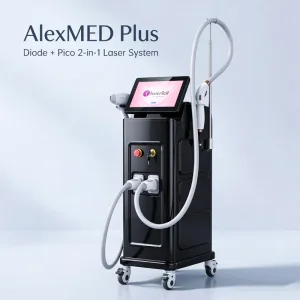
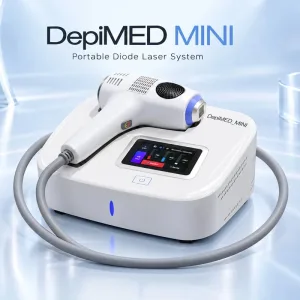
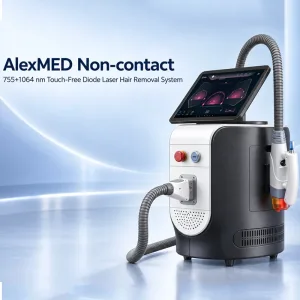
Clinic buyers can explore LaserTell’s IPL catalog to find systems for further review. Ask for the exact model’s manual and supported skin range before planning a treatment service.
Fitzpatrick phototypes describe how skin responds to sun exposure. Types V and VI feature in guidance for deeply pigmented skin, but a person’s nationality does not show their type. People who identify as Indian, Black, or mixed-race still need an individual skin check.
For IPL for dark skin, that check should include the actual area being treated. Skin tone can differ between the legs, underarms, and other areas. Recent tanning also matters, so an older photo or a chart on a phone cannot answer every question.
There is no single use rule for every home device. An article about IPL for dark skin cannot replace the manual supplied with your model. Match the model number and regional version before comparing tone charts or treatment advice.
The Philips US support page says its covered Lumea devices suit fair to medium brown skin. It rules out dark brown to dark skin and points readers to the user manual. That is the scope of this support page, not a rule for every Philips device worldwide.
Braun’s US skin-tone guide, by contrast, describes Pro 5 use including type V and rules out type VI. This general brand guide still needs to be checked against the exact model manual. The wording differs, which is why “dark brown” alone is a poor buying test.
Before choosing IPL for brown skin, check these points together:
For IPL for dark skin at home, a reviewer’s results do not replace these checks. Two people with similar-looking complexions can have different skin histories and treatment needs. Nor does a product photo show which tone is allowed.
An IPL skin tone chart explains who may use the device. A sensor adds a model-specific safety check. If the device refuses to flash, do not cover, bypass, or trick the sensor.
A skin test is another safety step within allowed use. It does not make an excluded tone allowed, and a test without a reaction cannot guarantee every later session will be safe. Follow your model’s test instructions rather than copying another device’s waiting time.
Illustrative scenario 1, fictional: Priya checks a home device’s chart against their lower leg. Before treating an underarm, they notice darker skin there and cannot match it to an allowed shade. They leave that area untreated and ask the device maker and a dermatologist for guidance.
Priya’s decision is to wait for an answer. It is not a treatment result or proof that the device is safe on another area. For IPL for dark skin, doubt calls for a clear answer, not a stronger flash.
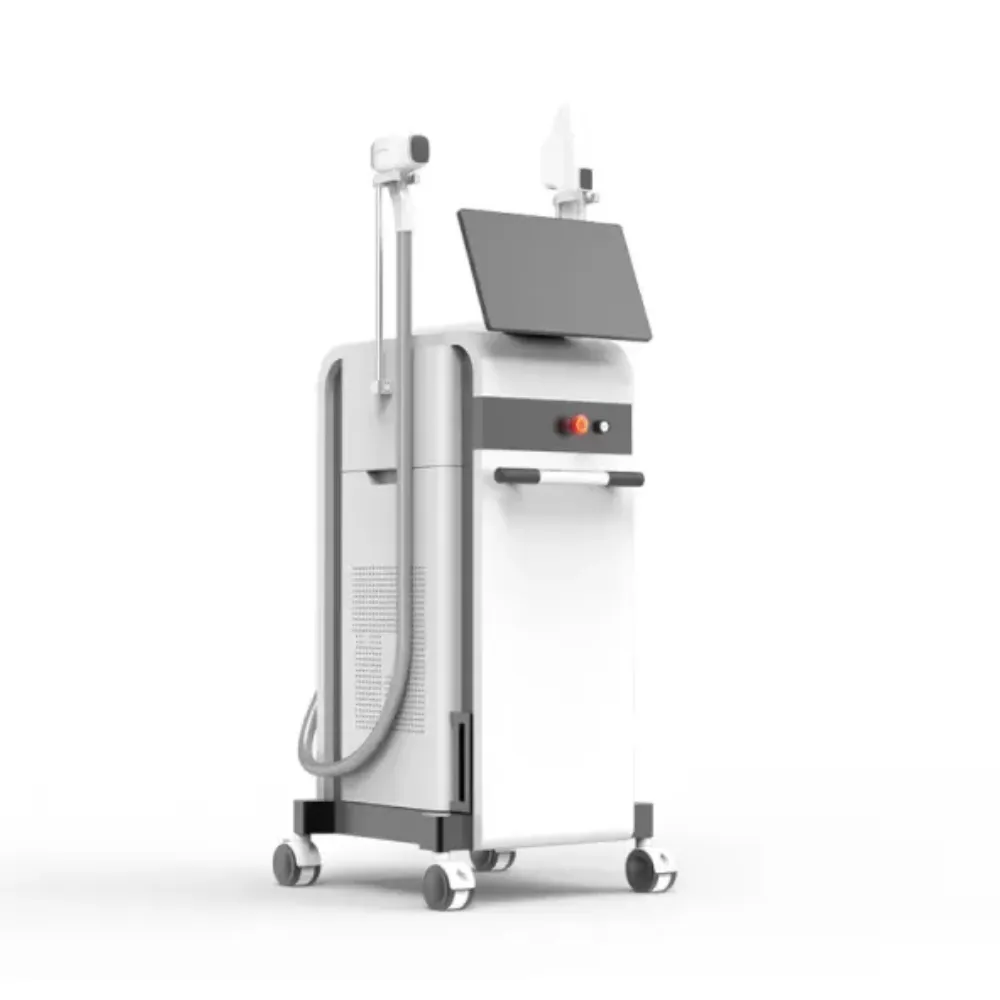
A clinician can discuss other options when home IPL for dark skin is unsuitable or unclear. A clinic setting alone does not make every device a good fit. The light source, pulse mode, treatment purpose, and operator’s skill all need to match the person’s needs.
| Technology | Light source | What to check for darker skin |
|---|---|---|
| Home IPL | Filtered light across a range of wavelengths | Exact model’s tone, hair-colour, and body-area limits |
| Professional IPL for dark skin | Filtered light with system-specific controls | Supported skin range, intended treatment, training, and personal skin check |
| Long-pulsed Nd:YAG | Laser light at 1,064 nm in a long-pulse mode | Hair-removal use, suitable equipment, cooling, and skilled clinical care |
| Diode laser | Laser light from diode components | Actual source and setup, supported skin range, and relevant evidence |
DermNet’s skin-of-colour guidance, published in 2019, identifies long-pulsed Nd:YAG as its safest laser option for hair removal. Its 1,064 nm wavelength and pulse delivery help explain that choice. This is guidance about a particular technology; it is not a risk-free promise.
Laser hair removal for dark skin also needs skilled care. The American Academy of Dermatology’s laser FAQ warns that burns, lasting skin-colour changes, and scars can occur in inexperienced hands. It recommends a board-certified dermatologist for laser treatment.
A diode system with a 1,064 nm component is not by itself an Nd:YAG laser. A Q-switched Nd:YAG also uses a different pulse regime from a long-pulsed hair-removal system. Sharing a wavelength number does not give devices the same uses or results.
For broader buying questions, use the existing diode laser vs IPL comparison. Keep any decision about IPL for dark skin tied to the actual device and person. A technology label alone is not enough.
A clinic considering IPL for dark skin needs a clear process for deciding who it can treat. Start with the device’s intended use. Then check the person, body area, and local rules before discussing treatment settings.
Ask for the full model name, exact setup, current user manual, and relevant market documents. Check which treatment and skin range each document covers. A company certificate or clearance for another device cannot fill a gap in those records.
When checking evidence for IPL for dark skin, ask whether a study matches the system offered. The important details go beyond its brand name. They include:
Do not assume that research on lighter skin answers a missing dark-skin question. A report about hair reduction also cannot show that the machine should treat dark spots. The treatment purpose must match.
Labels need checking too. The site’s DPL and SHR terminology guide gives wider context, but those names alone do not show who can be treated. Ask what the proposed system actually delivers.
Illustrative scenario 2, fictional: Alex, a clinic owner, receives two quotes mentioning 1,064 nm. One names a diode component; the other names a long-pulsed Nd:YAG source. Alex asks for the source identity, allowed hair-removal use, supported skin range, and training details.
They wait for those documents before choosing a platform. This example shows a buying decision, not a patient’s treatment outcome. It makes no claim about either quote’s price or clinical results.
A skin check for IPL on dark skin should cover current skin tone, tanning, past pigment changes, relevant skin conditions, medicines, and goals. A qualified practitioner should review these against the manual. A sales demonstration cannot provide that review.
The clinic’s process should also cover four practical points:
Cooling helps protect skin. It does not permit a clinic to ignore a limit on use. For IPL for dark skin, choosing to wait or refer may be the right result of the skin check.
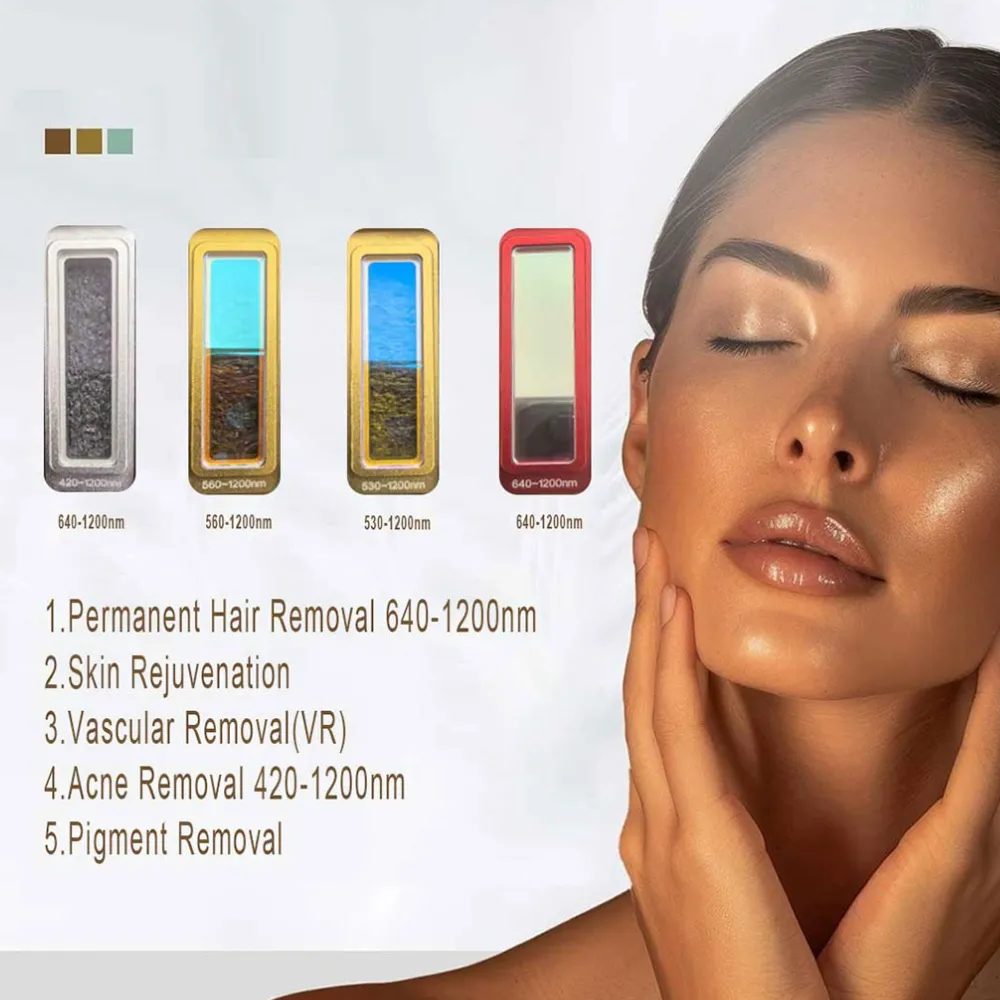
The phrase IPL for dark skin can mean removing hair from deeper-toned skin or treating dark marks. These are different tasks. The target, diagnosis, device setup, and evidence must be checked for the actual use.
IPL hair removal targets pigment in hair follicles. A light treatment for dark spots targets pigment within the skin. Being allowed for one does not show that the other should go ahead.
If the goal of IPL for dark skin is to treat dark spots, start with a diagnosis. Melasma, marks left after inflammation, and other pigmented lesions are not the same concerns. DermNet’s IPL guidance stresses correct diagnosis before treatment.
Do not use a home hair-removal device on an unexplained dark patch. A clinic should also check pigment-treatment evidence separately from hair-removal evidence. Neither a menu label nor a spare handpiece resolves that question.
A reaction changes the plan too. If IPL on dark skin causes blisters, marked pain, or new colour changes, stop further sessions and get medical advice. Do not add exposure to “even out” a patch or accept a reviewer’s claim that a reaction must be normal.
Follow the treating clinician’s aftercare advice. Sun protection and avoiding tanning feature in the clinical guidance discussed here. This article does not set a universal waiting time; recovery and the actual procedure guide the next step.
Only if the exact device’s manual permits the relevant tone and body area. A general recommendation about IPL for dark skin does not override those limits. Type V and VI are not one compatibility group. If the chart or manual are unclear, ask before using the device.
Nationality does not decide who can be treated. IPL for brown skin still needs a specific device, suitable hair colour, and a check of the actual body area. People with the same ethnic background can have different skin tones and risks. A guide aimed at Indian skin cannot replace an IPL skin tone chart and personal skin check.
No. A sensor is one safeguard; a patch test is a safety step within allowed use. Neither cancels a limit on use or predicts every later reaction. With IPL for dark skin, a refusal to flash or an unclear chart match means you should stop and check.
It can be an option with careful device choice and skilled clinical care, as the AAD explains. Laser hair removal for dark skin involves more than a wavelength number. Ask the clinician to explain the platform, why it fits your needs, possible pigment changes, and what results to expect.
That needs a separate diagnosis and treatment decision. Hair-removal eligibility does not show that facial pigment should receive IPL. A clinician should name the cause of the marks and discuss options first. Do not test a hair-removal device on an undiagnosed lesion.
The choice of IPL for dark skin starts with the person and exact device. The model’s chart, current body-area tone, recent tanning, and treatment purpose all need to fit. A sensor, a skin test without a reaction, or a reassuring review cannot replace that fit.
For home users choosing IPL for dark skin, check the manual and leave unclear or excluded areas untreated. If you want care at a clinic, a clinician experienced with your skin type can discuss whether IPL or a suitable laser is an option. Guidance for long-pulsed Nd:YAG should stay tied to that technology and its hair-removal use.
Clinic buyers can take the same approach. Ask for evidence that matches the offered setup, then check training and the patient skin check process before planning a service. A wider treatment menu still needs clear limits.
If your clinic is assessing IPL for dark skin, request model-specific documentation from LaserTell. Include your market, intended treatment, and the skin range you need those documents to address.
 13Nov
 12Nov
 11Nov
 10Nov