How a Body Slimming Machine Works: Heat, Vacuum and Ultrasound Explained
Key Takeaways What a Body Slimming Machine Actually Does If you ask a practitioner what body contouring means, the answer may surprise you: nobody is...

To source an OEM fractional CO2 laser machine, start with an exact baseline model and a written customization scope. Then confirm the applicable documents, approve a sample with recorded versions, and agree on production checks and after-sales responsibilities.
A branded enclosure can be the simplest part of launching an equipment line. The harder decisions concern what sits behind it: the configuration supplied, the wording on the label, the approved interface, and the support your distributors can offer.
For a regional equipment brand, those details shape both the purchase order and the promises made to clinics. A quote that says only “OEM included” leaves too much open. You need to know which changes are feasible, what they cost, and who approves them.
This guide takes you through those decisions, from a launch brief to a supplier enquiry. The scope matrix and sample record below are suggested planning tools. Adapt them with your manufacturer and market-specific advisers before making them part of an agreement.
Key Takeaways
- Define branding, interface translation, labeling, packaging, and engineering changes as separate deliverables.
- Match documents to the actual manufacturer, model, configuration, intended use, and destination market.
- Record the approved sample and its software, artwork, and document versions before authorizing production.
- Compare equipment, customization, shipping, training, and repair responsibilities within the same quotation scope.
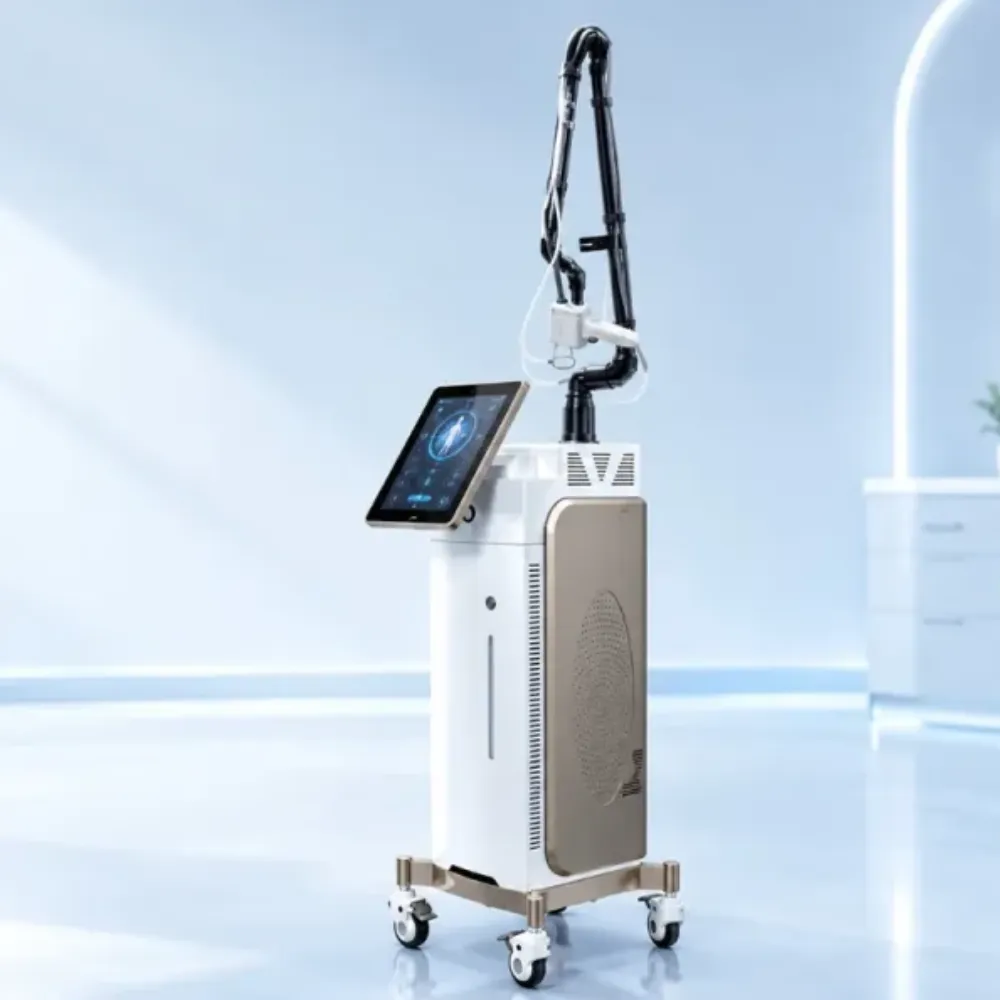
Begin with the product your brand plans to sell and support. Identify the destination country, intended professional buyer, proposed model, and configuration. Include the intended uses that need verification for that market, the interface language, and the installation and service arrangement.
Original equipment manufacturer (OEM) and original design manufacturer (ODM) describe supplier relationships, but the labels alone don’t define your order. Ask what work the supplier will perform. Will they supply an existing platform with approved branding, configure available options, or evaluate a new design request?
For general equipment selection, use the clinic equipment buying checklist. It covers the underlying purchasing questions; your brand-launch brief adds the customization and ownership decisions.
Hypothetical planning example: Alex manages a regional equipment brand. They send two requests: a logo on an existing enclosure and a redesigned control layout. Instead of approving both as “branding,” Alex separates them into artwork and software work packages. The next supplier discussion can address the feasibility, evidence, cost, and approval needed for each request.
This is an illustrative scenario, not a customer case.
Give the supplier an initial quantity and likely reorder pattern without treating a forecast as a commitment. Separate the sample request from the production order. Also identify who on your side can approve technical details, translated text, artwork, and commercial terms.
Start your shortlist by comparing LaserTell’s CO₂ laser systems, then ask which specific configuration is suitable for an OEM discussion.
Turn each request into a deliverable that both parties can review. “Our logo and language” is too broad if it could mean an enclosure mark, startup screen, treatment interface, labels, printed instructions, or shipping carton.
A logo file needs an agreed location, size, color, and application method. A translated interface needs a complete text list and a review of how words fit on actual screens. Hardware or control changes need the supplier’s engineering assessment before anyone promises a production date.
Use this working matrix as a starting point. Every row remains subject to feasibility and agreement; it doesn’t represent an existing LaserTell contract or quality procedure.
| Request | Exact deliverable to define | Evidence for approval |
|---|---|---|
| Enclosure branding | Artwork file, location, dimensions, color, and marking method | Marked drawing and sample photographs |
| Startup screen | Logo asset, display layout, and applicable software version | Startup demonstration on the proposed version |
| Interface language | Complete translation, units, warnings, and screen layout | Reviewed text list and screen-by-screen demonstration |
| Labels, manuals, and packaging | Required content, responsible parties, model identification, and version references | Approved artwork, instructions, and packing list |
| Voltage and accessories | Exact electrical configuration and included compatible items | Configuration sheet and supplier-proposed checks |
| Hardware or software change | Requested behavior and limits of the change | Engineering assessment and agreed validation evidence |
For each row, add the feasibility decision, minimum order quantity, cost, lead-time effect, responsible owner, and approval status. Keep unanswered fields open. A supplier’s standard-device minimum doesn’t automatically establish the minimum for custom packaging or software work.
State who supplies the artwork and who owns the final files. Confirm the revision allowance, approval format, and treatment of later requests. If a change needs tooling, ask about ownership, storage, reuse, and the terms for future batches.
For translations, give safety wording, units, and error messages the same attention as the home screen. Ask the appropriate technical and regulatory reviewers to assess the finished material. A translated label and a translated interface should be checked together where they describe the same function.
Review LaserTell’s OEM/ODM services against your matrix and ask for a model-specific feasibility response. That creates a practical discussion about deliverables rather than an assumption that every listed customization is included.
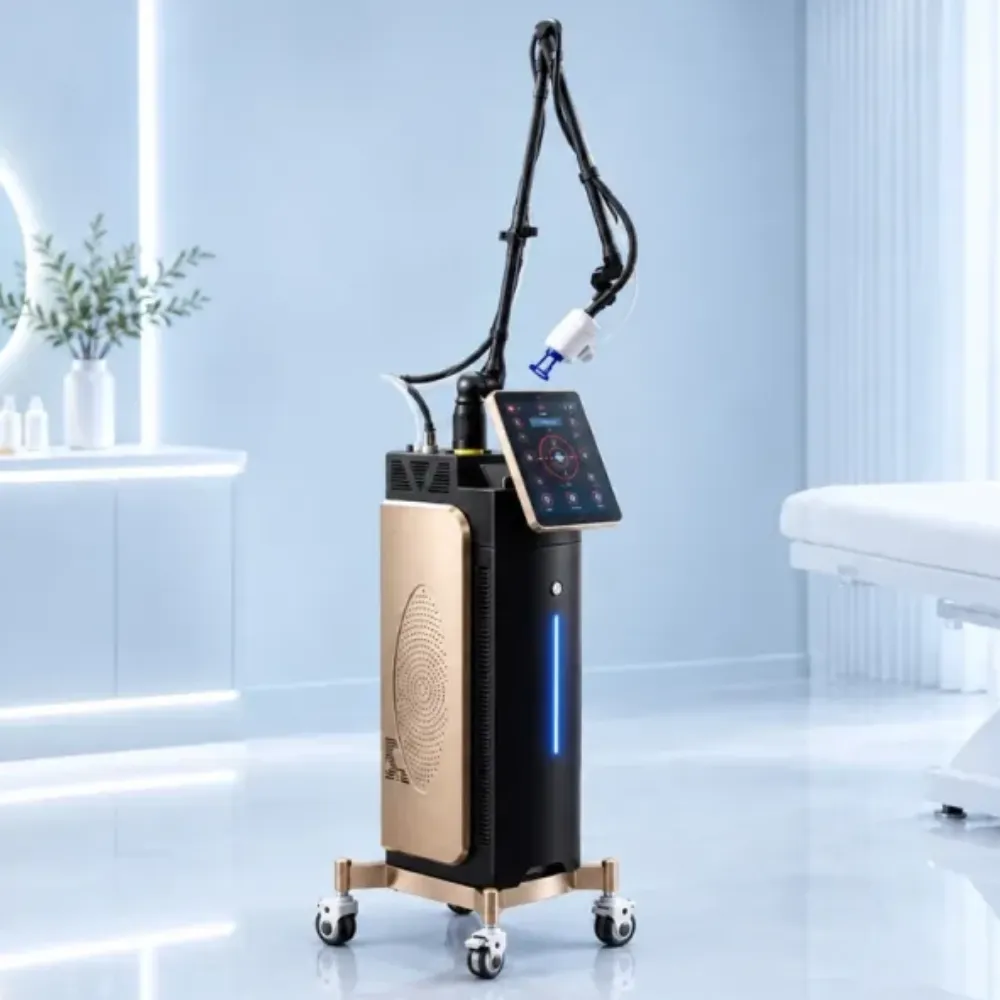
Build a document record around the device you intend to order. A brochure, certificate image, database entry, and instruction manual serve different purposes. Check how each relates to the actual manufacturer, model, configuration, and destination market.
Ask the supplier to identify the documents supporting the proposed configuration and explain their scope. Where a branded name differs from the manufacturer’s model name, request a documented explanation of that relationship for the appropriate reviewer.
A quality-system certificate concerns the system and activities within its stated scope. A device-specific clearance or authorization concerns its own identified device and conditions. Neither should be stretched into a claim that every product or proposed modification has the same status.
For a US example, the Food and Drug Administration (FDA) states that registration and listing do not denote approval, clearance, or authorization. Treat these as distinct checks when assessing a supplier’s statements. Evidence for a diode laser model also cannot establish the status of a fractional CO₂ model.
Identify who prepares and approves the product name, manufacturer information, labels, instructions for use, and market-facing claims. Keep the approved versions together so a later brochure revision doesn’t introduce claims absent from the reviewed product documentation.
Private labeling also needs a review of the parties’ actual activities. Branding, relabeling, design changes, and intended-use changes raise different questions. Have a qualified adviser assess the applicable responsibilities and submission requirements for the planned market before finalizing the launch.
Technical terms need the same care. The ASLMS explanation of laser resurfacing distinguishes fractional delivery from ablative and nonablative approaches. Use that background to check terminology, while relying on the exact device documentation for its functions and permitted uses. General educational material doesn’t establish a particular model’s indications.
A demonstration helps you understand the proposed system. Sample approval needs a record of the configuration and materials you accepted, along with any unresolved points. Agree on that record before treating the demonstration as permission to manufacture a batch.
Ask the supplier to propose model-specific acceptance criteria, inspection methods, and evidence. Have the appropriate reviewers assess them. Don’t substitute a generic online checklist for technical criteria suited to the actual device.
A useful sample record can include:
Connect every correction to a closure decision. If an interface warning needs revision, record who will check the changed screen and whether another sample review is needed. Approval should show what was accepted, what remains conditional, and which evidence closes the condition.
Hypothetical sample example: Morgan reviews a branded sample with two language options. One translated warning runs outside its display box. They record the screen, request a corrected version, and review the revised warning in context before approving that item. The outcome is a traceable correction and sign-off, rather than an unresolved comment in a video call.
This example describes no actual supplier or customer project.
Ask how the supplier will notify you of proposed component, software, artwork, labeling, or accessory changes. Define who evaluates the effect, what evidence is required, and who can approve implementation.
The response depends on the change and applicable requirements. Avoid a blanket rule that every substitution is harmless or that every revision needs identical testing. Keep the approved baseline, proposed change, assessment, and resulting decision linked so future orders can refer to the correct version.
Request quotations against the same configuration and customization scope. If one offer includes translated instructions and another includes only a logo, the unit prices answer different questions. Mark differences before comparing totals.
Ask for the base equipment, included accessories, sample work, artwork, translation, and any applicable engineering or tooling charges. Identify packing, shipping, insurance, and delivery terms, plus the costs and responsibilities left to the buyer.
Record the quantity basis, quotation validity, payment milestones, and dependencies behind the proposed schedule. Clarify when the production period begins: for example, after the agreed approvals and other contractual conditions. Don’t assume a sales estimate includes your internal review time.
Source-related upkeep deserves a separate discussion. The RF tube versus glass tube CO₂ laser guide provides background for maintenance questions. Ask which source the quoted model uses and what that means for its actual parts and repair arrangements. Radio frequency (RF) excitation of a CO₂ source and RF microneedling are separate technologies.
For a fractional CO₂ laser distributor, “technical support included” leaves practical questions unanswered. Who receives the clinic’s first call? Who diagnoses the fault? Who may perform a repair, and what training or authorization do they need?
Write down warranty scope, exclusions, commencement date, and the claim process. Distinguish parts, labor, remote assistance, on-site work, and repair shipping. Ask which spare parts are available, how compatibility is checked, and how requests are handled after warranty coverage ends.
Also assign responsibility for installation, operator training, service records, and escalation of complaints or safety concerns under applicable requirements. An agreed support plan should let your team explain what happens after delivery without inventing response times or replacement promises.
Beijing LaserTell Medical Co., Ltd. publishes a CO₂ product range and OEM/ODM service information. Use those pages to identify a starting model, then request the exact configuration, feasible changes, applicable documentation, and commercial terms for your project.
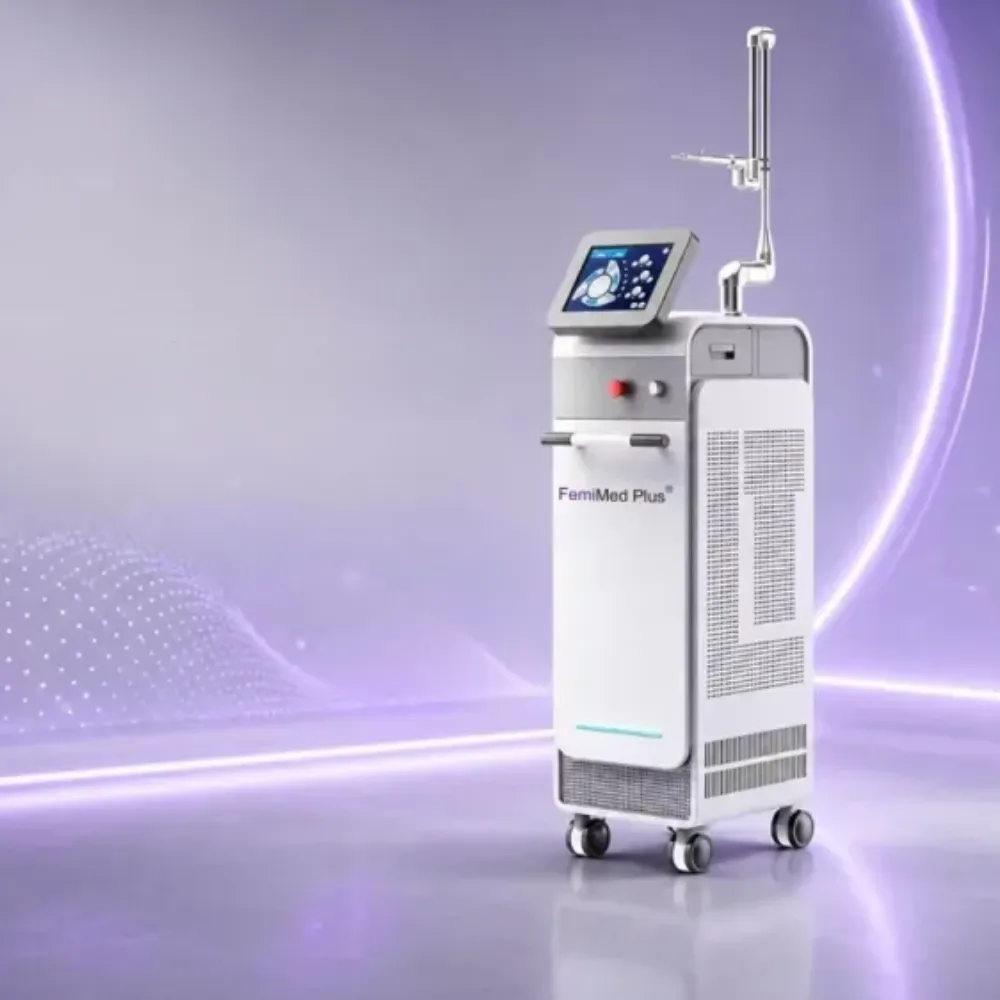
An integrated platform needs particular care in the brief. For example, LaserTell describes FemiMED CEM as combining CO₂, 1550nm Er:Glass, and RF microneedling. Naming the proposed model and modalities helps keep a quotation for that configuration separate from one for a single-technology system. Confirm the current specification directly for the intended order.
Prepare an enquiry with these fields:
Attach the scope matrix and identify which items are required and which are optional. Ask for a response against each deliverable, including open feasibility decisions and the information needed to resolve them. Your next decision can then rest on a defined proposal.
A standard purchase uses the supplier’s agreed existing configuration and presentation. A private-label fractional CO₂ laser machine project adds specified branding or other changes. Define those additions individually, including documents, sample approval, costs, and responsibilities. The label “OEM” alone doesn’t establish what the order includes.
That depends on the model, requested deliverable, and supplier’s terms. Ask separately about an enclosure logo, startup screen, translated interface, printed manuals, and packaging. A published minimum for standard equipment doesn’t establish the minimum for each customization. Request confirmation for the exact scope you need.
Check the model and configuration references across the quotation, labels, instructions, specifications, and relevant market documentation. Confirm the manufacturer identity and any relationship between the branded name and the underlying model. Ask the responsible reviewer to assess applicability; a company certificate alone doesn’t answer every device question.
There isn’t a universal answer for every project. Have a qualified US regulatory adviser assess the actual activities, proposed labeling, device changes, intended use, and existing regulatory status. Don’t infer the answer from a logo change alone, and don’t transfer clearance evidence from another device family.
Agree on the baseline configuration, customization deliverables, sample evidence, artwork, interface, labels, instructions, and relevant version references. Record unresolved items and who may close them. The manufacturer and appropriate reviewers should define the technical acceptance criteria and the conditions for authorizing production.
Include warranty scope, exclusions, claim steps, parts and labor responsibilities, repair shipping, training, and local service arrangements. Identify how technical questions, complaints, and safety concerns reach the responsible parties. Confirm the applicable terms in writing so your brand can communicate its support offer accurately.
Before placing an order, assemble the scope, sample record, document questions, and service plan into one project file. Use it to compare proposals and close unanswered items with the responsible parties. When you’re ready to discuss an OEM fractional CO2 laser machine, request a model-specific OEM scope and quotation.
 13Nov
 13Nov
 12Nov
 10Nov