How a Body Slimming Machine Works: Heat, Vacuum and Ultrasound Explained
Key Takeaways What a Body Slimming Machine Actually Does If you ask a practitioner what body contouring means, the answer may surprise you: nobody is...

A small study of fractional CO2 laser for dark skin documented both scar improvement and pigment changes in people with Fitzpatrick type IV. A clinician can use that evidence to inform an individual assessment, with the study population and treatment context attached. Manuskiatti et al. study abstract.
One study can give you two very different pigment figures. If one counts people and the other counts visits, both can be accurate. For a clinic weighing a new service, that difference changes how the team reads the paper, discusses follow-up, and evaluates a supplier claim.
Key Takeaways
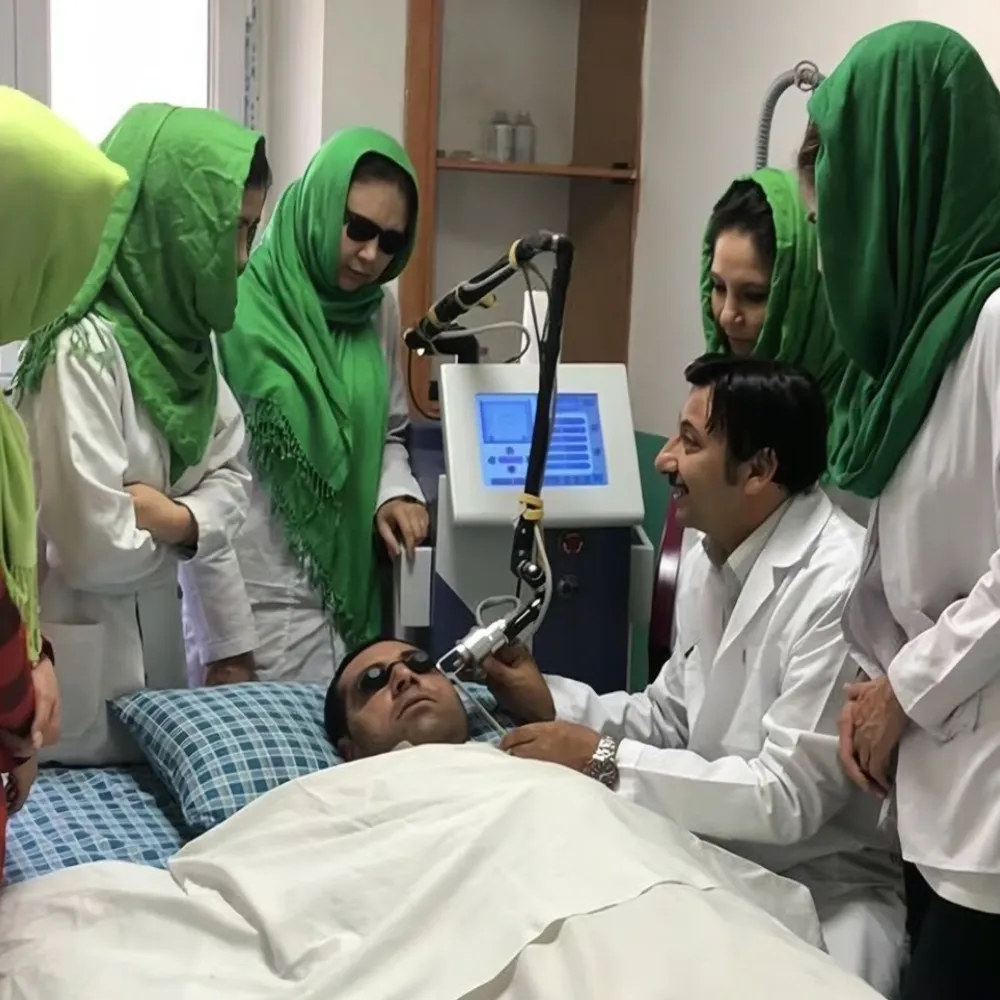
A clinic considering fractional CO2 laser for dark skin should first name the concern it intends to assess. The study discussed here enrolled people with depressed acne scars. A patient may also have active breakouts or color changes at the same site. A dermatologist can assess those concerns and decide how they fit into the care plan. American Academy of Dermatology acne scar consultation guide.
Put the indication at the top of the evidence sheet. For example, record whether the paper studied atrophic scars, and note the outcomes it measured. If a brochure cites a paper about a different concern, ask the clinical lead to explain what information can carry over before adding the claim to the file.
When reviewing fractional CO2 laser for dark skin, keep the patient’s description, the clinician’s phototype assessment, and any history of pigment changes in distinct fields. Ask the clinician how the classification was made and which details matter for the proposed procedure. Use the phototype reported by the authors when summarizing a paper.
Illustrative scenario
A clinic team uses a photograph to fill in a phototype field in its review notes. The clinician leaves the field open until the assessment and adds a separate place to record pigment history. The team can now tell which details came from the photo and which came from the consultation.
If your clinic is considering fractional CO2 laser for dark skin, list the exact system and accessories your team wants to review. Use the catalog to identify the platform before asking for the applicable documentation. Browse LaserTell fractional CO2 systems.
In the Manuskiatti study, 13 participants with phototype IV had fractional CO2 resurfacing for atrophic acne scars. The authors reported mild post-inflammatory hyperpigmentation, or PIH, in 92% of participants and in 51% of treatment sessions. Both figures describe the same small study.
A patient-level figure tells you how many participants experienced the event during the study. A session-level figure counts treatment visits. A participant may contribute several sessions, so those units answer different questions. In a review of fractional CO2 laser for dark skin, write the counting unit next to every figure.
| Study item | Reported finding | Scope to retain |
|---|---|---|
| Participants | 13, all phototype IV | Atrophic acne scars |
| Mild PIH by participant | 92% | People in the study |
| PIH by session | 51% | Treatment sessions in the same study |
| PIH resolution | Average of five weeks | Study observation |
| Scar outcome follow-up | Six months | Time of scar assessment |
Illustrative scenario
A buyer adds 92% and 51% to a table as separate study results. The clinical reviewer finds that both came from the same paper and adds a column for the unit counted. The team can now discuss how the figures were produced before drawing conclusions about its own service.
An average of five weeks describes the resolution reported in that study. A review of fractional CO2 laser for dark skin should keep that figure alongside the event, cohort, and method. For a particular patient, the clinician needs to discuss expectations based on the proposed care and individual assessment.
Also distinguish the visit at which a scar was assessed from the period during which a pigment change was tracked. The paper reports a six-month scar outcome. Use that time point for the scar finding, and record the resolution measure separately so a reader can follow both results.
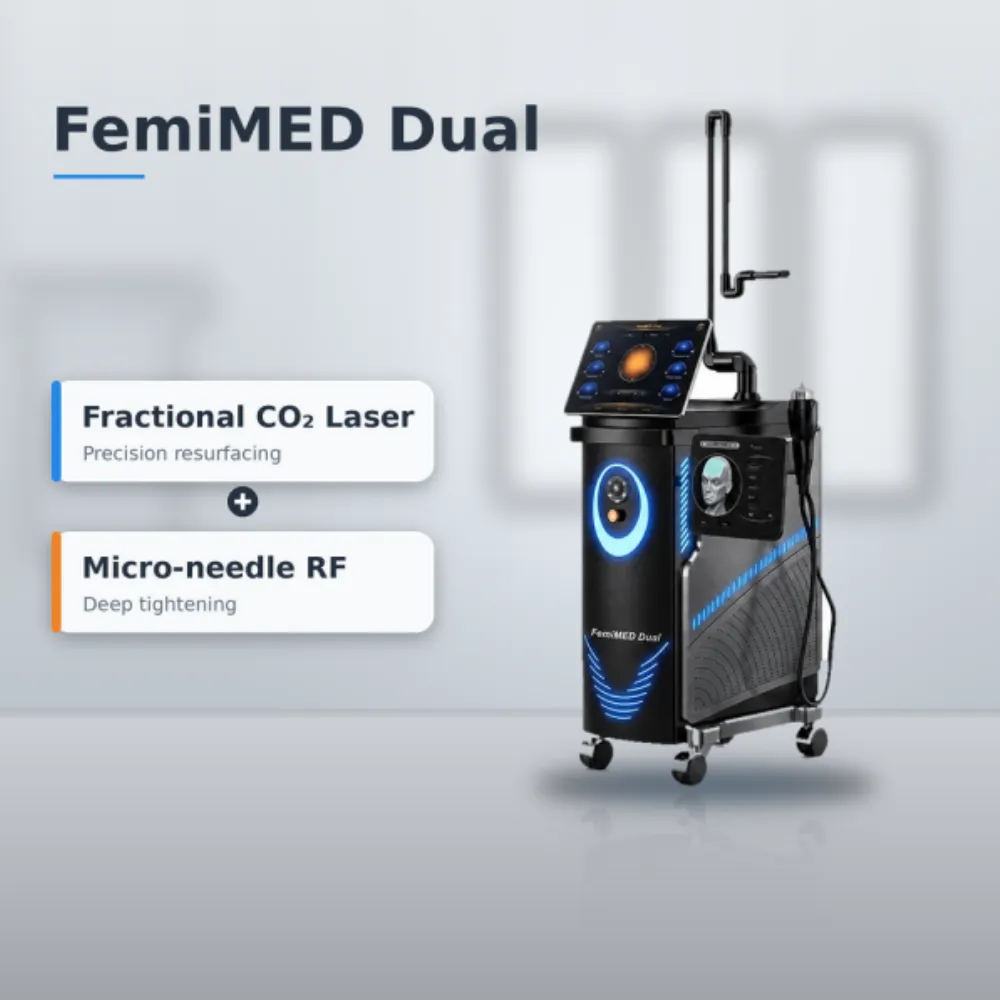
The Manuskiatti participants all had phototype IV. When considering fractional CO2 laser for dark skin, put that eligibility detail next to the result. Your evidence table can leave separate rows open for type V and type VI until the reviewer finds relevant data for the proposed device and use.
Check the device and indication before comparing two papers. A study may have enrolled people with a different scar pattern or followed them for a shorter time. Ask which differences change the interpretation and what additional evidence the clinician would want.
A small cohort can help a team identify an outcome to track. It offers less information about uncommon events or how outcomes vary across a larger group. If your clinic needs a model-specific risk estimate for fractional CO2 laser for dark skin, document the evidence gap and ask the clinical lead what further review is needed.
Alexis and colleagues studied nonablative fractional resurfacing for acne scars in participants with phototypes IV through VI. They compared two treatment densities within participants. The abstract reports mild or moderate hyperpigmentation in five of seven and three of seven for the respective density groups. Keep the paired design and the nonablative device attached to those figures.
Use the paper to see how researchers recorded pigment changes in a different modality. If the clinic is comparing options, label each row by its device and study design. Evidence from this trial can support questions for the reviewer while the CO2 risk assessment remains tied to CO2 evidence.
For background on the terms used in fractional CO2 laser for dark skin, the video below discusses fractional resurfacing and its ablative and nonablative categories. The study links provide the evidence for the pigment figures in this guide.
For fractional CO2 laser for dark skin, ask whether the patient wants a change in scar texture, color, or both. Give the clinician room to record separate goals and baseline findings. The resulting notes can help the clinic explain which study outcomes relate to each goal.
If the team uses photos, agree on the conditions for capturing them. Record the date, lighting, angle, and relevant procedures. Ask the clinician to explain what a comparison photo shows, especially when a change in lighting could affect how visible a mark appears.
Make space for the patient’s own account. They may describe a change that matters to them even when it is hard to capture in a photo. Keep that account in the record with its date, alongside the clinician’s observations.
A discussion about fractional CO2 laser for dark skin can cover several kinds of change. Ask how the clinic will describe darkening, lightening, redness, discomfort, and return to usual activities. Use plain terms with patients and record the outcome measured when citing a study.
Give each follow-up task an owner. Decide who records the observations and who answers questions about a change in color. Have the clinical lead define the review and escalation route so staff know where to direct a concern.
For a clinic planning fractional CO2 laser for dark skin, record the difference between an expected follow-up contact and an individual care instruction. A shared schedule can help staff coordinate. The clinician determines what monitoring and guidance each patient needs.
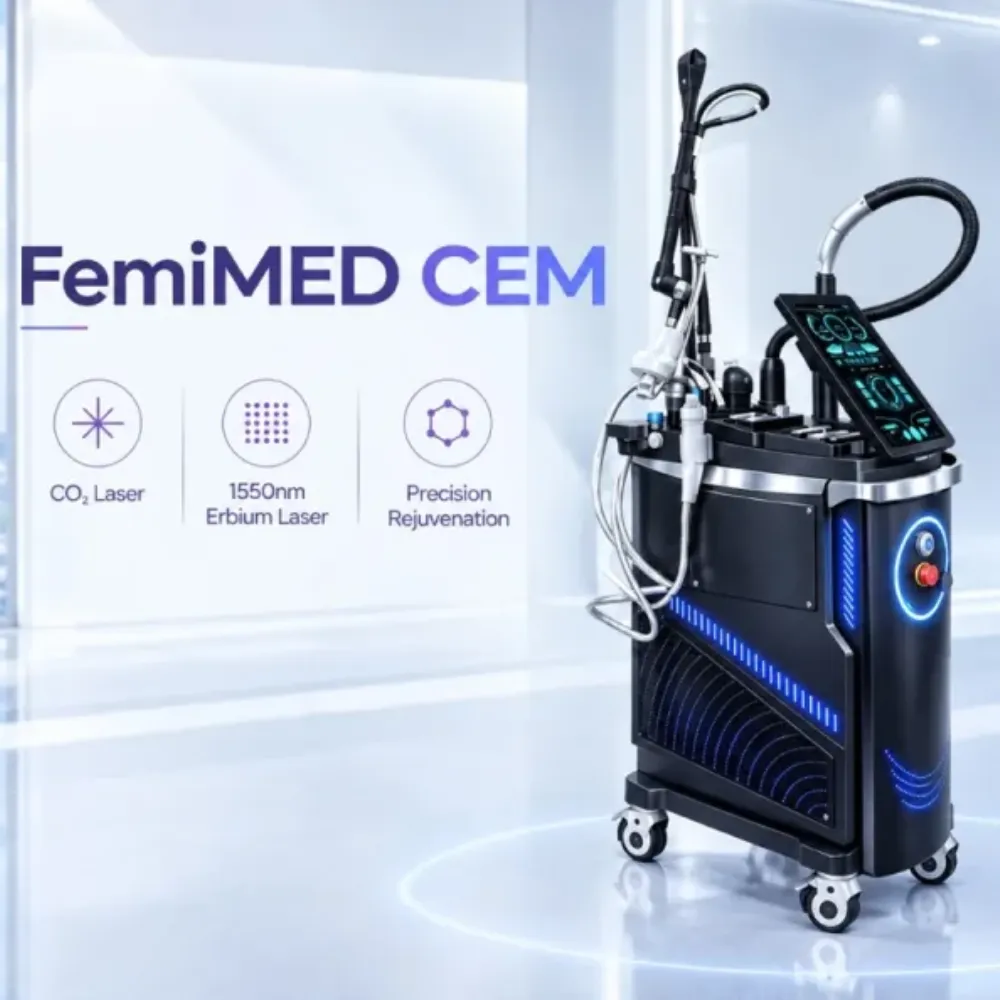
When you assess fractional CO2 laser for dark skin, ask the supplier to identify the exact model, delivery accessories, and applicable instructions for use. Keep the device named in the published paper in a separate field. The equipment lead can then check which documents apply to the system in the quote.
Ask which documents cover the intended use in the destination market. Record the versions and review dates. When the quote changes, check whether the evidence, instructions, or training scope needs another look.
For LaserTell, use the platform page to identify the model and prepare your document request. Keep the clinical findings in this article tied to the published study cohorts. FemiMED NEO model information.
For fractional CO2 laser for dark skin, request a written training outline and ask which staff roles it covers. The clinical lead can assess the training needed for patient selection and follow-up. The equipment lead can review the supplied accessories and the facility requirements.
Also ask how staff can reach technical support, order replacement parts, and access current documents after handover. Keep these terms with the quote. Comparing those details helps purchasing see what the clinic would need to arrange separately.
Illustrative scenario
A quote lists a scanner but the instructions supplied cover only the console. The equipment lead asks for the scanner’s current documents and records the item as open. Purchasing checks whether the training and support terms cover both pieces.
A fractional CO2 laser for dark skin review can fit in a short shared record. Use one row per claim, with a source, a review owner, and a decision. When a claim remains open, write down what would resolve it.
| Review item | What to record | Who can review it |
|---|---|---|
| Patient group | Phototype and indication in the paper | Clinical lead |
| Pigment result | People or sessions, severity, and timing | Clinical lead |
| Model and mode | Quoted configuration and study device | Equipment lead |
| Follow-up | Endpoints and contact responsibilities | Clinical lead |
| Commercial scope | Training, support, and included accessories | Purchasing |
Use the record in meetings about fractional CO2 laser for dark skin. A decision about what the paper supports belongs beside the study. A decision about what the supplier will provide belongs beside the quote. Both should identify the person who reviewed the evidence.
Before ordering equipment for fractional CO2 laser for dark skin, check which questions have been answered and which still affect the plan. Confirm that the final proposal names the items your team reviewed. Record any differences and request the documents that apply to the updated offer. Add the date of each reply.
At handover, check who holds the current copies and who will maintain the record. This gives new staff a way to find the basis for the clinic’s decisions. It also makes it easier to update the review when the clinic changes a model, accessory, or service.
Keep a copy of the final quote beside the delivery record. If the scanner name or document version differs from the one your team checked, record the difference and assign someone to resolve it. At the next staff briefing, use that record to show where the current instructions live and who handles questions about parts, training, and follow-up.
The fractional CO2 laser for dark skin study discussed here enrolled only type IV participants. Keep that finding tied to its cohort. For type VI, the clinical reviewer should look for evidence that matches the patient group, proposed use, and equipment under review.
A paper can count the proportion of people who had a pigment change and the proportion of sessions with that event. Label the unit beside each figure. For fractional CO2 laser for dark skin, this matters when a patient contributes more than one treatment visit.
An average describes the people or events observed in a study. For fractional CO2 laser for dark skin, ask when the authors assessed the change and what they counted as resolution. The treating clinician can explain expectations and follow-up for the individual case.
Use nonablative studies to understand the devices and outcomes they examined. For fractional CO2 laser for dark skin, review the CO2 evidence separately. A trial’s phototype range, device, and treatment conditions should stay with its results when you compare options.
Ask for the exact model, accessory list, current instructions for use, and applicable intended-use information. For fractional CO2 laser for dark skin, request the training and support details for that same configuration. Give the clinical, equipment, and purchasing teams separate questions to review.
Start with the intended use and the patients your clinical team needs to assess. If you’re evaluating fractional CO2 laser for dark skin, give the supplier your market, model, and accessory questions so your team can review the proposed configuration. Request LaserTell model documents and configuration details.
 13Nov
 13Nov
 12Nov
 11Nov