OEM Diode Laser Hair Removal Machine: A Private-Label Buyer’s Guide
An OEM diode laser hair removal machine project starts with a defined base model, a target market, and a written list of changes. Match that...

Choose a fractional CO2 laser machine by matching your clinic’s intended uses to an exact model, its supporting documents, facility needs, and service terms. Compare complete configurations and written evidence before comparing headline power or the base price.
Two proposals can use the same technology label and still describe different equipment. One may include a scanner, training, and installation support; another may leave those items outside the quote. The easiest way to lose clarity is to treat those proposals as equivalent too soon.
This guide gives clinic buyers, technical reviewers, and clinical leads a shared way to assess the options. You will build a configuration sheet, an evidence file, and a list of questions that must be answered before acceptance. The aim is a decision your team can explain and review.
Key Takeaways
Begin with the services the clinic is considering and the qualified people who will assess them. Keep patient assessment and treatment decisions with the clinical lead. A purchasing checklist cannot decide whether an individual should receive resurfacing.
For a fractional CO2 laser machine, record the intended professional setting, target market, and proposed clinical purposes. Separate an established service from a new service that still needs planning. The same equipment discussion can have different staffing, training, and facility implications in those settings.
Before requesting a proposal, prepare that short requirements list and identify your clinical and technical reviewers. Include questions about existing room conditions and support needs. This gives the supplier a useful starting point without assuming that a particular model is already suitable.
Keep your fractional CO2 laser machine requirements focused. If the team cannot yet define the intended use, a longer specification sheet will not resolve the uncertainty. Agree on the service question before selecting features around it.
LaserTell lists its CO2 platforms at a nominal wavelength of 10,600nm. Its directory also distinguishes different models and integrated technologies. That identifies a product family; it does not establish that every configuration has the same functions, evidence, or market status.
The term fractional describes a pattern of delivery across an area. It does not, by itself, identify the source design, pulse characteristics, scanner, or included handpiece. Ask the supplier to name those elements rather than relying on a single label.
A fractional CO2 laser machine comparison should also distinguish fractional delivery from full-field delivery. Have the technical and clinical reviewers check the model’s actual modes and instructions. Do not turn a mode name into a universal promise about depth, healing, or safety.
Use clear states: under review, documents pending, and accepted for the stated requirement. Give each open item an owner and a date for follow-up. A machine can remain on a preliminary list while a specific question is open. That is more precise than calling the whole product approved after one useful demonstration.
Illustrative scenario: A clinic receives two proposals with similar-looking consoles. One includes a named scanner and training scope; the other lists only the base system. The buyer asks both suppliers to complete the same configuration sheet before comparing totals. This fictional example assumes no price saving or clinical outcome.
For each fractional CO2 laser machine candidate, write down what would remove it from consideration. Examples might include an unresolved intended-use mismatch, unavailable required documents, or an unsupported service arrangement. Set those conditions before a discount creates pressure to decide.
Ask which laser source is installed in the proposed model and how it is identified in the technical documents. If a supplier describes an RF-excited metal tube, request the specification and service information relevant to that assembly. Do not use industrial engraving equipment comparisons as clinical evidence.
A fractional CO2 laser machine should be assessed as a documented system. The source is one part of that system alongside controls, beam delivery, scanning, accessories, and instructions. A source category alone cannot validate the finished device.
Avoid a blanket rule that one tube type always makes every platform better. Ask how the actual source is supported, maintained, and replaced within the quoted machine. Any claimed lifetime needs its own definition, conditions, and written terms.
Separate fractional CO2 laser machine specifications from your team’s conclusions. “RF metal tube listed in the specification” is a traceable observation. “Therefore clinically superior to all other systems” is a conclusion that does not follow from that observation alone.
A wattage figure needs a definition and a measurement context. Ask whether the quoted value describes the laser source, a system rating, or another quantity. Request the relevant operating range and conditions through the technical reviewer.
For a fractional CO2 laser machine, average power, peak power, pulse duration, and pulse energy describe different aspects of delivery. One number cannot stand in for all the others. When a proposal leaves the definition unclear, mark it as a question rather than making a conversion based on assumptions.
Names such as super pulse or ultra pulse also need context. Ask what the manufacturer means for the exact model and which documents define it. Similar wording across brands does not establish equal pulse behavior or equivalent clinical evidence.
This guide does not recommend pulse widths, energy settings, scan density, or treatment doses. Those belong to the applicable instructions and qualified clinical practice. The purchasing task is to obtain clear information, not create a treatment protocol from a brochure.
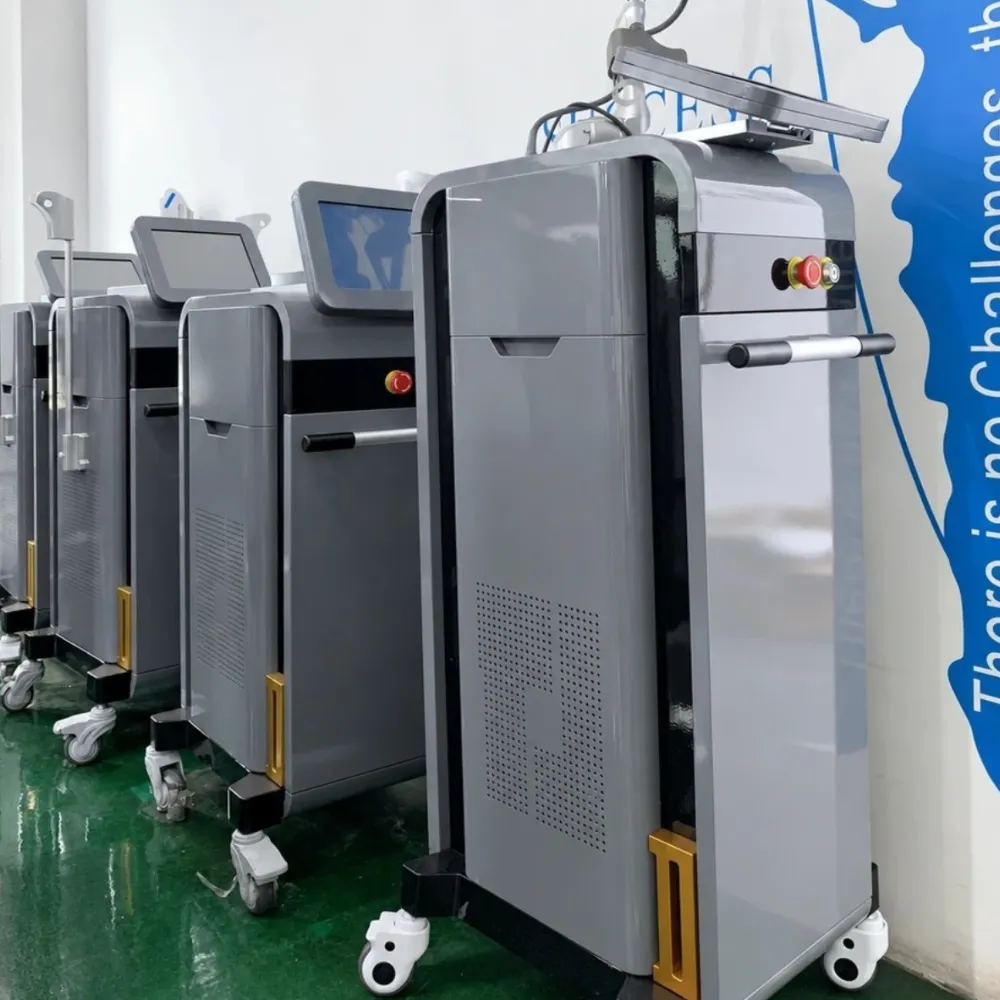
Request the exact scanner and handpiece identifiers included in the quotation. Ask which accessories are standard, optional, or excluded. Keep photos as supporting identification material, alongside the written configuration rather than in place of it.
For each fractional CO2 laser machine, ask how the supplier documents scanner functions, compatibility, and required checks. An attractive list of scan shapes does not establish that the system meets a particular clinical need. The relevant reviewers must assess that need against the complete device information.
| Item | Question to resolve | Record to keep |
|---|---|---|
| Laser source | Which assembly and specification apply? | Model-specific technical sheet |
| Power rating | What does the value measure? | Defined rating and conditions |
| Pulse delivery | How are modes and quantities defined? | Applicable technical documents |
| Scanner and handpieces | Which identifiers are included? | Controlled configuration list |
| Accessories | What is standard, optional, or excluded? | Itemized quotation |
| Service needs | Who handles checks and replacement? | Written service scope |
Use the same fields for each fractional CO2 laser machine candidate. Leave unavailable information marked pending. Don’t fill gaps with guesses. Keep a clear list of what the team still needs.
A fractional CO2 laser machine is not interchangeable with a 2940nm Er:YAG platform or a 1550nm Er:Glass platform. Identify both the laser medium and wavelength in the manufacturer’s records. The word erbium alone is too broad for a precise comparison.
LaserTell’s directory describes CEM as a combination of CO2, 1550nm Er:Glass, and RF microneedling. That is a configuration description, not proof that the technologies share indications, risks, or evidence. Each component and proposed use needs the appropriate review.
If a clinic is comparing ablative and non-ablative platforms, first define the clinical question. Then ask the reviewer which named devices and evidence answer it. Do not reduce that comparison to a universal winner or infer suitability from the number of technologies in one console.
A fractional CO2 laser machine evidence file should connect each important claim to a source. Record the device, configuration, intended use, supporting document, reviewer, and status. That makes gaps visible when material moves between sales, purchasing, and clinical teams.
For a clinical paper, identify the actual device and population, the outcome measured, the comparison, and the follow-up period. Ask whether the study supports the wording proposed for your purchasing decision. A paper about another platform cannot silently become validation of the quoted machine.
Use the same care with fractional CO2 laser machine photographs and testimonials. They may illustrate a reported experience, but they do not establish typical results for the next patient or a different device. Do not turn a supplier’s before-and-after gallery into a guaranteed outcome.
This buying guide does not present a numerical treatment-success rate. It has not established a model-specific clinical comparison that would justify one. The useful output here is a set of evidence questions the clinic’s qualified reviewer can answer.
The FDA overview of medical lasers describes risks including pain, infection, bleeding, scarring, and skin-color changes. A technology’s usefulness does not remove the need to assess those risks. A procurement article cannot replace individual clinical assessment.
For a fractional CO2 laser machine, ask how the applicable instructions address intended users, patient assessment, limits, and warnings. Have the clinical lead review claims involving skin types or particular conditions. Do not assign a skin type from a photograph, ethnicity, or country of origin.
Avoid “safe for everyone,” “painless,” or a promised recovery date in the buying brief. A favorable study outcome does not create those guarantees. Any specific claim needs evidence with the relevant scope and careful wording.
Name the person who reviews fractional CO2 laser machine service materials before the clinic advertises them. Equipment procurement and marketing approval are linked decisions. An unverified sales phrase should not become the clinic’s treatment promise simply because it appears in a product brochure.
Ask for the current instructions for use, or IFU, and the documents relevant to the proposed model and target market. Check that names and configurations correspond across the quote, device label, and records. Have the supplier explain discrepancies rather than resolving them by guesswork.
A fractional CO2 laser machine document tracker can distinguish received, reviewed, and accepted. Receiving a certificate image is not the same as confirming its scope. Record who checked the issuer, identified device, applicable dates, and relevance to the requirement.
For the United States, FDA explains that registration and device listing do not establish approval, clearance, or authorization. It also does not issue device-registration certificates. A registration claim cannot substitute for checking the applicable product records.
This guide does not establish a particular LaserTell model’s US market status. Ask a qualified market reviewer to assess the actual configuration and intended use. Requirements in another country need their own review; US documents are not a universal market passport.
| Claim or requirement | Evidence question | Responsible review |
|---|---|---|
| Intended use | Does the label and IFU cover it? | Clinical and market reviewers |
| Clinical outcome | Which device, population, and endpoint were studied? | Qualified clinical lead |
| Configuration | Do supplied records match the proposed system? | Technical reviewer |
| Market status | Which applicable records cover the device? | Market-compliance reviewer |
| Training | Who is trained, for what, and by whom? | Clinical and operational leads |
For a fractional CO2 laser machine purchase, keep unresolved items alongside the decision summary. A polished cover sheet should not hide the limits in the underlying file. If a claim changes, record what changed and why.
Ask the responsible facility and laser-safety personnel to review the proposed installation. Provide the model’s room, electrical, environmental, and safety information. Confirm what must be ready before delivery rather than treating installation as a shipping detail.
Smoke control deserves its own discussion when assessing a fractional CO2 laser machine. The NIOSH HC11 publication in CDC Stacks explains that general room ventilation alone does not adequately control surgical-smoke exposure. It describes local capture and work practices alongside the need to maintain the evacuation equipment.
That publication dates to 1996 and provides occupational-hygiene background. Use it with current applicable requirements, the actual equipment instructions, and a qualified facility assessment. This guide does not prescribe a universal airflow value or nozzle placement for every clinic setup.
Ask who specifies the evacuation system, confirms compatibility, and manages filters and disposal. Record consumables and service needs in the budget. Do not assume that a general room fan or an unspecified suction connection answers the smoke-control question.
For a fractional CO2 laser machine, request a written training plan tied to the delivered configuration. Identify the intended audience, topics, trainer, materials, and any required follow-up. Distinguish equipment orientation from professional qualification to provide treatment.
For fractional CO2 laser machine training, plan how new staff will learn the equipment. A single demonstration may leave later operators without access to the same information. Keep attendance and applicable materials with the equipment records.
The clinical lead should decide how competence is assessed within the clinic’s professional and legal requirements. A supplier’s training certificate does not automatically settle every licensing or supervision question. Have the relevant local reviewer confirm those requirements.
Build fractional CO2 laser machine maintenance around the exact IFU and service instructions. Assign permitted operator tasks separately from work requiring authorized technical personnel. Do not copy another brand’s cleaning method, internal access steps, or replacement interval.
Ask for compatible cleaning materials, applicable procedures, service contacts, and approved part identifiers. Where the answer is missing, keep the task pending. Skill with tools doesn’t give staff permission to open a laser or adjust its optical path.
Keep a fractional CO2 laser machine fault log. Record its ID, exact message, date, what staff saw, and actions taken under the manual. Follow the model’s stop-use and support directions. Do not bypass a warning or interlock to keep appointments running.
A fractional CO2 laser machine service record should also state what work was done, which checks were required, and what remains unresolved. Clarify who can confirm readiness to resume use. Do not invent a generic restart, alignment, or calibration procedure.
A console with multiple technologies can have multiple sets of accessories, instructions, and service needs. Ask which documents apply to each component and how training is organized. One broad brochure should not be the only record for all functions.
Include storage, accessory identification, and version changes in the equipment file. If one component is awaiting service, ask how that affects permitted use of the system. Get the answer from the applicable instructions and authorized support rather than assuming independence.
For a fractional CO2 laser machine that forms part of a combination platform, keep the purchase decision tied to the functions actually needed. Additional technologies can add questions as well as options. They do not create evidence of better outcomes simply by sharing a housing.
Ask each supplier to quote against the same defined requirements. List the model, scanner, handpieces, accessories, documents, training, and service scope. Mark exceptions clearly so the team can see what each proposal would actually deliver.
A fractional CO2 laser machine base price may not describe the complete project. Request the costs and responsibilities for freight, installation, training, parts, and any required additional equipment. Use actual written answers rather than a general price bracket copied from a blog.
Keep local fees and market-document work visible where they apply. Ask which party handles each item and what assumptions affect the total. Do not treat an unspecified exclusion as a zero-cost item.
| Quotation line | Detail to request |
|---|---|
| Base system | Exact model and configuration |
| Scanner and handpieces | Included identifiers and optional items |
| Facility equipment | Required additions and responsible party |
| Training | Audience, scope, location, and follow-up |
| Shipping and installation | Endpoint, responsibilities, and exclusions |
| Consumables and parts | Approved items and actual quoted terms |
| Service and warranty | Coverage, exclusions, and claim process |
| Documents | Applicable versions and outstanding records |
Illustrative scenario: A reviewer sees the same wattage on two quotations but cannot find how either value is defined. The team asks for the rating conditions and pulse documentation before making a technical comparison. The fictional example does not assume that either machine performs better.
For a fractional CO2 laser machine shortlist, summarize unresolved costs in a separate column. That makes it harder for an apparently low total to hide an incomplete scope. Update the comparison when the supplier supplies a clear answer.
Ask who will answer technical questions, supply replacement parts, and manage a warranty claim. Request the written terms for the actual market and model. A general promise of worldwide support is not a complete local service arrangement.
The existing LaserTell supplier-evaluation article provides broader sourcing context. Treat any supplier or certification claim as something to verify against current records. The article itself is not independent evidence that a particular model meets your requirements.
A fractional CO2 laser machine supplier review should distinguish response, diagnosis, repair, and replacement commitments. A fast acknowledgement is not the same as a fixed repair deadline. Ask about shipping responsibilities and the handling of equipment that must leave the clinic.
Keep the fractional CO2 laser machine decision tied to the agreed scope. A factory photograph, exhibition appearance, or product-family history may offer background. None replaces the documents and service terms needed for the specific purchase.
Separate the initial project cost from recurring and uncertain costs. Use the clinic’s actual planned service, staffing, and facility inputs if it later builds a financial model. This guide does not establish an industry profit margin, break-even volume, or guaranteed return.
For a fractional CO2 laser machine, record where a cost is quoted, estimated by the clinic, or still unknown. Keep those categories distinct. A planning assumption should not become a supplier commitment when the spreadsheet is circulated.
Review the full comparison with the people responsible for the resulting work. A maintenance or training requirement affects operations as well as purchasing. The best-documented proposal still needs to fit the clinic’s actual service plan.
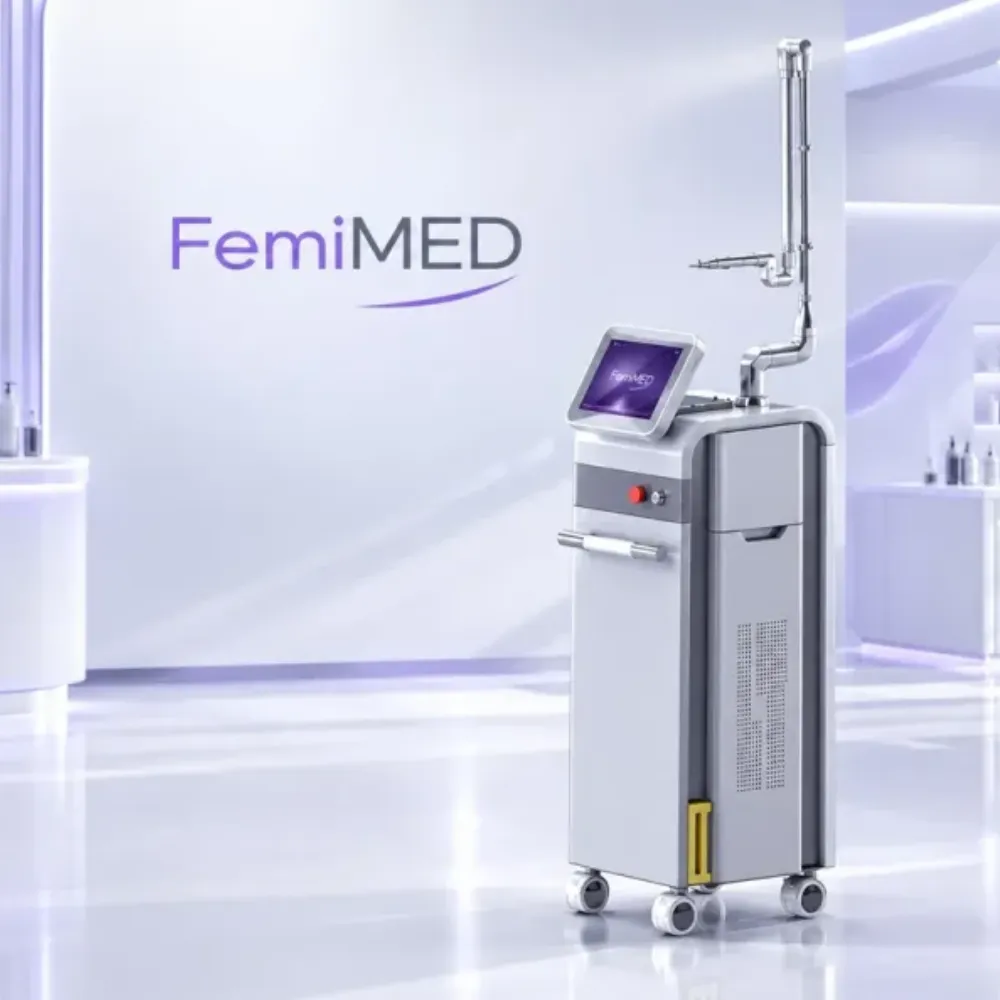
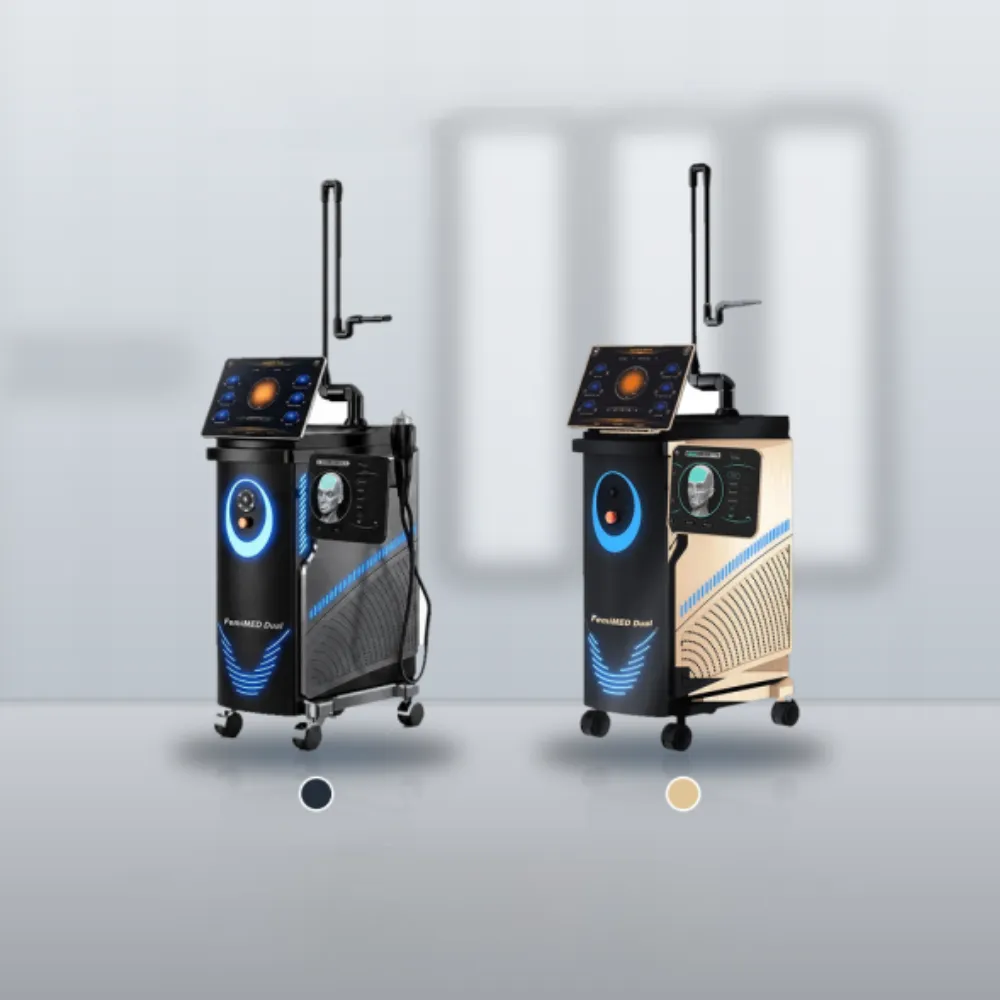
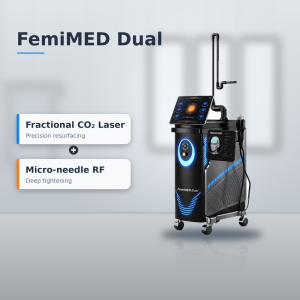
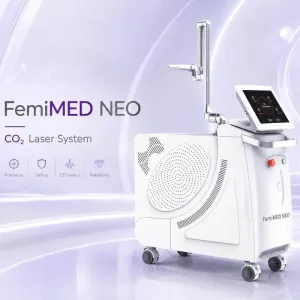
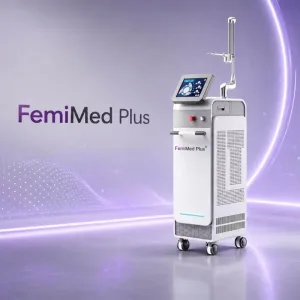
Start with the LaserTell fractional CO2 equipment directory to identify models for a document request. The directory lists different FemiMED configurations and integrated platforms. Use the individual model pages to clarify the proposed system rather than applying one family’s specifications to every machine.
For example, the FemiMED VI model page lists 60W and 75W configurations. The FemiMED NEO page identifies a compact 75W platform. These are manufacturer-listed identities, not clinical recommendations or independent output measurements.
For a fractional CO2 laser machine proposal, ask which exact version, accessories, and documents the supplier is offering. Request a current specification rather than relying on a page screenshot alone. Availability and project scope need confirmation in the quotation.
This guide does not rank those examples or establish equivalent performance between them. Its purpose is to show why a model-level question is more useful than a general request for “the best CO2 machine.” Keep the shortlist conditional on the evidence your team needs.
For a fractional CO2 laser machine sample, define whether it represents the intended production configuration or a demonstration unit with differences. Record the identifiers, accessories, software where relevant, and accompanying documents. List any deviations before review.
Ask the supplier to state which open items need a revised sample, a new document, or a written clarification. Keep those answers with the sample record so the team can check what was resolved before it approves production.
Have the responsible technical and clinical reviewers set the applicable acceptance criteria. Identify how results are recorded and which open items prevent acceptance. Do not replace the process with a general impression from a demonstration.
Illustrative scenario: A supplier proposes a different accessory after a clinic has reviewed the sample. The buyer asks the reviewers to check compatibility, affected documents, and acceptance requirements before carrying approval forward. No clinical result or completed order is implied in this fictional example.
The fractional CO2 laser machine acceptance file should preserve the agreed configuration, review record, exceptions, and approvals. Ask how later changes are communicated and linked to delivered equipment. A repeated sales name is not proof that nothing has changed.
If the project includes branding or other changes, define them in writing. Separate artwork approval from technical and document approval. Changes to instructions or interface language need review for meaning and consistency, not only appearance.
For a fractional CO2 laser machine order, request a clear schedule tied to the necessary approval points. Distinguish sample review, production readiness, factory dispatch, and delivery. A standard-model dispatch claim does not establish the timing of a customized project.
Keep the fractional CO2 laser machine quote, spec, approved changes, delivery records, and support terms together. At handover, compare the delivered identifiers with that file. Resolve discrepancies through the agreed process rather than quietly updating the file to match whatever arrived.
No single wattage figure establishes a clinical outcome. Compare what the rating means, the complete delivery system, evidence, and intended use. Qualified reviewers should assess the actual model rather than selecting by the largest number.
No. A fractional CO2 laser machine is a complete system. Source information matters, but controls, delivery, documents, service, and applicable evidence also need review. A tube category cannot settle all those questions.
No. Identify the medium, wavelength, and delivery mode. A combination console can contain distinct technologies; it does not make their evidence or intended uses interchangeable.
Request the exact configuration, accessories, documents, training, shipping, installation responsibilities, warranty, and support terms. List exclusions and pending costs separately. This guide has not established a universal equipment price.
Prepare the intended use, market, responsible reviewers, and facility questions. Ask for the proposed model’s specification, IFU, applicable market documents, and itemized scope. Then record what is confirmed and what remains open.
To discuss a fractional CO2 laser machine for your clinic, contact LaserTell with that requirements list. Request model-specific documents and a complete proposal for review. The useful next step is a clear shortlist supported by traceable answers, with unresolved questions still visible before a purchasing decision.
 26Oct
 24Oct
 23Oct
 23Oct