IPL Hair Removal: How Does It Work? Science and Safety
IPL hair removal uses intense pulsed light that hair pigment absorbs and turns into heat, which can damage follicles and reduce regrowth. It works across...

Evaluate a fractional CO2 laser manufacturer by checking the legal manufacturer, exact model, supporting documents, supplied configuration, and written service terms. When sourcing from China, use the same review process for every proposal and resolve missing information before placing an order.
A “5 in 1” label may describe a useful configuration, but it leaves important questions open. Which accessories are included, what uses do the documents cover, and who supports the equipment after delivery? If you are comparing suppliers, this guide turns those questions into a practical document and contract review.
Key Takeaways
Begin with the names on the proposal. Ask who manufactures the device, who sells it, and which entity will sign the contract. If a distributor or export company is involved, record its role and its relationship to the manufacturer.
For a fractional CO2 laser manufacturer review, request the company name, address, model identity, and relevant product-label information. Check that the names used in the quote and supporting documents are consistent. Where they differ, ask for an explanation and the documents that connect the parties.
A trading relationship does not answer every question about responsibility. Ask who handles technical inquiries, warranty claims, parts orders, and document updates. The person answering a sales message may not be the person responsible for each of those tasks.
For each fractional CO2 laser manufacturer, keep five folders: identity, model files, configuration, terms, and support. Reviewers can then find the evidence they need.
Ask the fractional CO2 laser manufacturer to connect each important claim to a document. A general statement about quality is not the same evidence as a model specification, an applicable certificate, or a service agreement. Record what each document actually establishes.
Illustrative scenario: A buyer receives a quote from an export company but a certificate names a different entity. The buyer asks the supplier to explain the roles and provide matching model information. The example does not assume wrongdoing; it shows a question that needs a documented answer.
If you are reviewing LaserTell CO2 system configurations, start with the named platform and your destination market. Use those details to request the documents that apply to the proposed equipment and accessories.
A fractional CO2 laser manufacturer may use a multifunction label to summarize an offer. Ask what that label means in the quoted configuration. It could refer to accessories, operating modes, or a list of promoted applications, and those are different things to verify.
Request an itemized configuration that names the console, handpieces, scanners, tips, controls, and other supplied items. Include part references where available. Ask the supplier to identify optional items and anything needed for the intended setup that is not included.
Keep the accessory list separate from the intended-use review. The presence of an accessory does not, by itself, establish that every advertised application is supported in your market. Have the appropriate clinical and regulatory reviewers examine the relevant documentation.
For a fractional CO2 laser manufacturer comparison, use matching fields across proposals:
| Item to Confirm | Evidence to Request | Review Question |
|---|---|---|
| Device identity | Model and label information | Is this the equipment quoted? |
| Accessories | Itemized list and part references | What is included or optional? |
| Operating modes | Current model documentation | Which modes apply to this configuration? |
| Intended use | Applicable product documents | Does the proposed use fit the documented scope? |
| Training | Written course or handover scope | Which equipment and roles are covered? |
Ask what each specification measures. A power figure needs its measurement basis, and a performance statement needs the configuration and conditions behind it. Avoid ranking systems from an isolated number without that context.
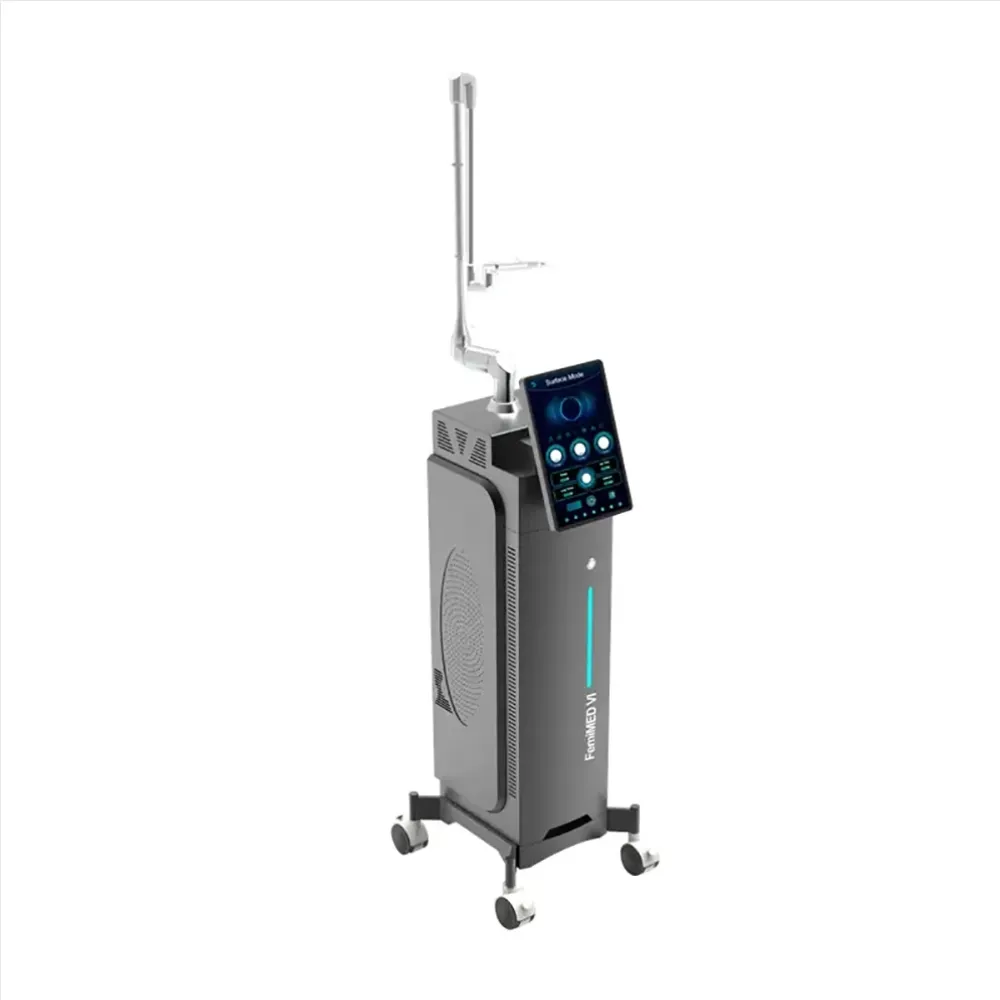
When discussing a specific platform, the FemiMED NEO model information provides a starting point for questions. Request the current documents for the unit and accessories offered to you. A public product page should not replace the supplied instructions or the final configuration list.
Ask the fractional CO2 laser manufacturer to resolve any conflict between a brochure, quote, and technical sheet. Keep the answer with the dated proposal. Do not allow an unexplained difference to become an assumption in the purchase order.
Regulatory terms need precise use. The FDA explains that establishment registration and device listing do not denote approval. A supplier’s registration statement should therefore not be rewritten as a claim that every product it sells is FDA approved.
The FDA’s explanation of the 510(k) process describes a premarket submission used to demonstrate substantial equivalence where that pathway applies. Keep a clearance claim tied to the actual device and applicable record. Do not treat clearance and approval as interchangeable labels.
For a fractional CO2 laser manufacturer proposal, ask for the specific document or record supporting the claimed market status. Check the manufacturer, device identity, model coverage, and intended use. Have someone qualified for the destination market resolve questions about applicability.
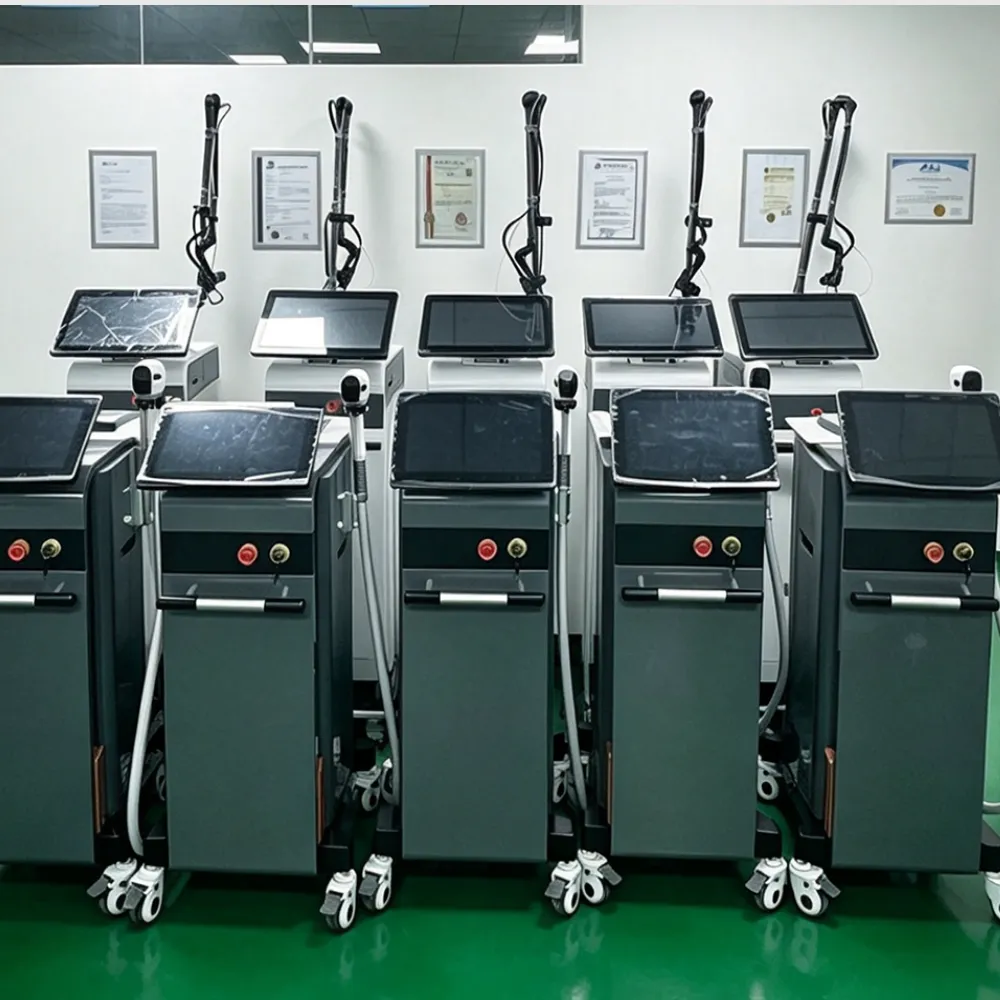
The same discipline applies when a proposal mentions CE marking or a quality-system certificate. Ask what the document covers, which entity it names, and whether it applies to the offered product. A quality-system document and a product document serve different purposes in the review.
For each fractional CO2 laser manufacturer, log the document name, issuer, reference, date, and model scope. Name the reviewer. Record any open question; don’t just collect certificate images.
Ask the fractional CO2 laser manufacturer how revised instructions and product changes are communicated. Confirm which version will accompany delivery. Keep the final document set linked to the purchase order and equipment identity.
Do not infer a clinical benefit from a regulatory record alone. Likewise, a published study on another platform does not establish the market status or performance of the device being offered. Review clinical evidence and product documents as separate parts of the decision.
Illustrative scenario: A proposal states “FDA approved” without a device reference. The buyer asks for the underlying record and checks the wording with the responsible reviewer. The claim stays unresolved until the evidence supports an accurate description.
Ask the fractional CO2 laser manufacturer to agree on the review scope before shipping or a demonstration. Identify which model, accessories, documents, and training materials should be present. Record who will perform each check and how the result will be documented.
A buyer can ask for a delivery checklist that connects the purchase order to the delivered items. Include packaging condition, equipment identity, accessory quantities, and the agreed document set. These checks help confirm the scope received; they do not replace technical performance checks required by the manufacturer or facility.
If a technical assessment is needed, have qualified personnel define it using the appropriate instructions. Do not turn a sales demonstration into proof of clinical outcomes. Avoid asking untrained clinic staff to open the console, adjust the optical system, or perform undocumented calibration work.
For a fractional CO2 laser manufacturer review, keep acceptance criteria specific enough for both parties to understand. A phrase such as “works well” leaves too much open. Ask what evidence of completion will be provided for each agreed item.
Agree on how missing parts, document differences, or other open items will be handled. Record who receives the report, when a response is expected under the agreement, and how the issue will be closed. Do not invent a universal supplier response deadline.
Keep the delivered equipment identity with the report. If the configuration changes, ask whether the document set or training scope must also change. This helps prevent a revised accessory list from being separated from the instructions needed to use it.
The fractional CO2 laser manufacturer and buyer should have a shared record of the agreed handover. Confirm how outstanding questions affect acceptance and use under the contract and facility procedures. A signed delivery receipt should not silently answer technical questions that remain open.
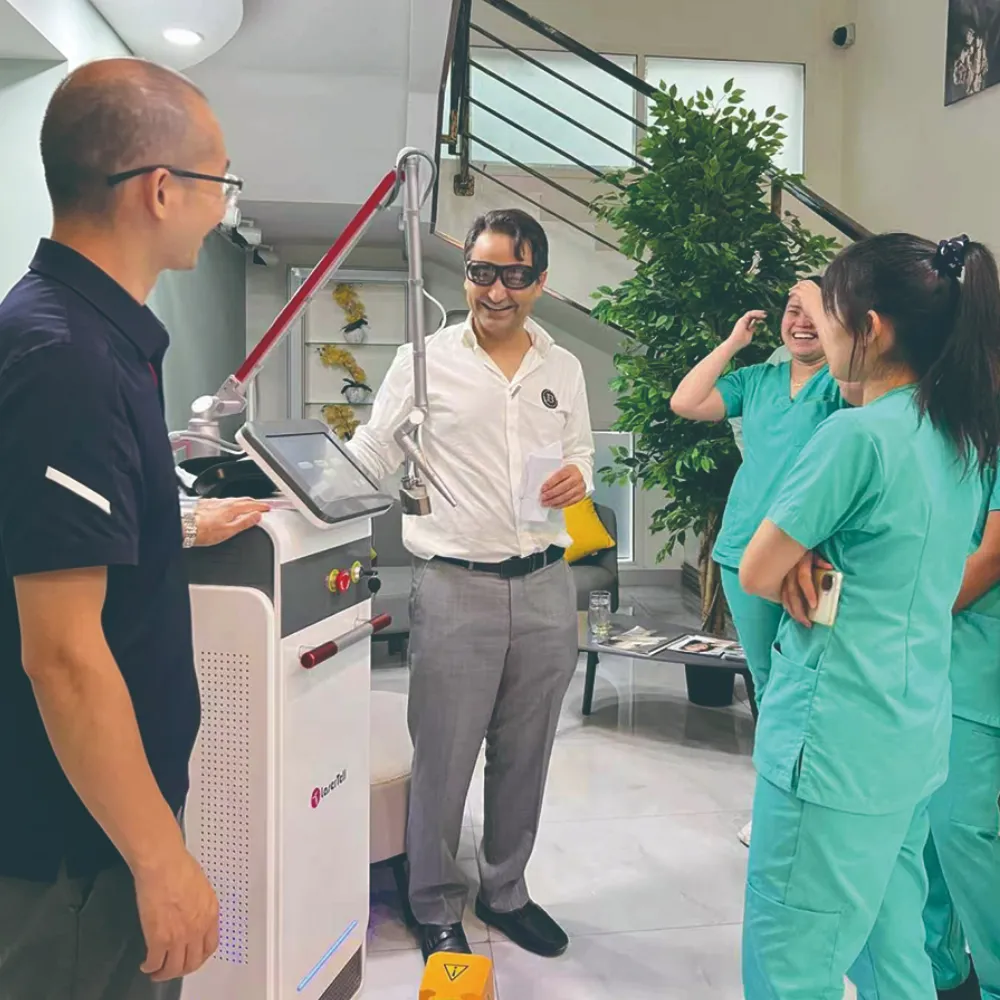
A fractional CO2 laser manufacturer may describe broad support capabilities, but your decision needs the scope offered for your model and location. Ask who provides training, what it covers, which staff may attend, and what materials remain with the clinic. Distinguish equipment familiarization from clinical competence.
Request the route for technical support and warranty claims. Ask which information the service team will need, how equipment identity is recorded, and who can authorize work. Keep current contacts with the equipment file rather than only in the original salesperson’s messages.
Use the same service questions for every offer:
| Contract Area | Detail to Confirm |
|---|---|
| Training | Provider, scope, materials, and additional fees |
| Labor | Covered work and exclusions |
| Travel | Regional charges and who pays them |
| Parts | Included items, ordering route, and availability |
| Warranty | Conditions, exclusions, and claim process |
| Updates | How relevant documents or software changes are supplied |
For a fractional CO2 laser manufacturer comparison, ask how authorized service is arranged in the destination market. A general promise of online support does not explain how a physical repair will be managed. Get the relevant process in writing.
Obtain a dated, itemized quote in a stated currency. Record what is included, which shipping terms apply, and what charges remain outside the price. Use actual figures rather than an unsupported industry price range.
Ask the fractional CO2 laser manufacturer for replacement-part and consumable information relevant to the proposed configuration. Base a running-cost estimate on the current instructions and written prices. Where an input is unknown, mark it as open rather than assuming a lifespan or replacement interval.
Illustrative scenario: Two proposals appear to have different prices, but one includes training and the other leaves travel charges unstated. The buyer requests matching scope before comparing totals. No saving, clinical result, or revenue increase is assumed.
If private labeling or customization is involved, ask who is responsible for labels, instructions, change approval, and the documents needed for the target market. Keep those responsibilities in the agreement. Do not assume that a branding request leaves every product responsibility unchanged.
Build a short decision file that your team can review together. Keep company identity, model documents, configuration, acceptance, and support in separate sections. Each important claim should point to its evidence and review status.
For a fractional CO2 laser manufacturer, the following structure can make gaps visible:
This is a suggested purchasing tool, not a claim that the same legal process applies in every country. Let the responsible reviewers define what their market and facility require. The file should help them find the information without having to reconstruct the sales conversation.
Assign clinical questions to the clinical lead, facility questions to the appropriate staff, and commercial terms to purchasing. Ask qualified reviewers to assess regulatory applicability and technical documents. Record who will resolve each remaining issue.
Do not choose a fractional CO2 laser manufacturer from the number of certificates displayed or functions promoted. Ask whether the evidence answers the question in front of you. An unanswered question should remain visible until someone provides and reviews the relevant information.
Before ordering from a fractional CO2 laser manufacturer, match the final quote to the reviewed setup and terms. Keep old versions apart. Staff should know which agreement to use.
Do not assume it does. Ask which functions, operating modes, or accessories the label describes in the specific proposal. Request an itemized configuration and the documents supporting its intended use. A marketing count alone does not establish model identity, included parts, or the scope applicable in your market.
Ask for the legal entity, product-label information, model documents, and an explanation of any distributor or export-company role. Compare the names across the proposal and supporting records. A fractional CO2 laser manufacturer review should also identify who signs the contract and handles technical support.
Start with the model identity, intended-use information, current instructions, applicable market documents, and accessory list. Add the quote, training scope, warranty, and service terms. Keep a register of versions and unresolved questions so the reviewers can connect each document to the actual offer.
No. FDA establishment registration and device listing do not denote approval. Ask which record supports the precise claim made for the device. Keep registration, clearance, and approval wording distinct, and have the responsible reviewer confirm what applies to the proposed model and intended use.
Identify the supplied items, document set, training, agreed checks, responsible people, and process for open issues. Keep delivery checks separate from any qualified technical assessment required. A fractional CO2 laser manufacturer proposal should make the scope of the handover clear before shipment or acceptance.
Choose a fractional CO2 laser manufacturer through a documented review of identity, configuration, evidence, and support. If you are considering a LaserTell CO2 platform, request model-specific documentation and a quote for your intended configuration and market. Use the response to complete the open items in your review file before placing an order.
 17Nov
 16Nov
 13Nov
 13Nov