How a Body Slimming Machine Works: Heat, Vacuum and Ultrasound Explained
Key Takeaways What a Body Slimming Machine Actually Does If you ask a practitioner what body contouring means, the answer may surprise you: nobody is...

Professional IPL machine cost depends on the system, parts, and support included. Listings checked on November 13, 2026 include LumaPulse at $3,680, SkinAct IPL Pro at $12,999, and Medi Next at $18,900. These are named sellers’ offers, not a market average or LaserTell quotes.
Illustrative scenario, fictional: In November, Sam compares two equipment offers for a new clinic room. One includes delivery and remote training; the other excludes both. Sam asks each supplier to price the same package, including the handpiece and service terms.
The revised comparison shows what the clinic would actually pay before its first booking. Neither headline price could answer that question alone.
You need the same clarity before you commit funds. A purchase budget should include getting the system into service and keeping it working.
This guide separates advertised prices from ownership costs. You’ll find dated examples, questions about replacement parts, and a three-year worksheet you can adapt to your clinic. It covers buying equipment, rather than patient treatment fees or home-use devices.
Key Takeaways
- The three dated listings below are different offers; they do not establish a professional IPL market price range.
- A replacement may involve a lamp, cartridge, or complete handpiece, with different parts and labor costs.
- Compare delivery, setup, training, and service alongside the advertised IPL machine cost.
- In the fictional three-year example, cost per paid session falls from $115 to $75 as bookings rise.
- Finance plans need the full payment total, including fees and any final buyout.
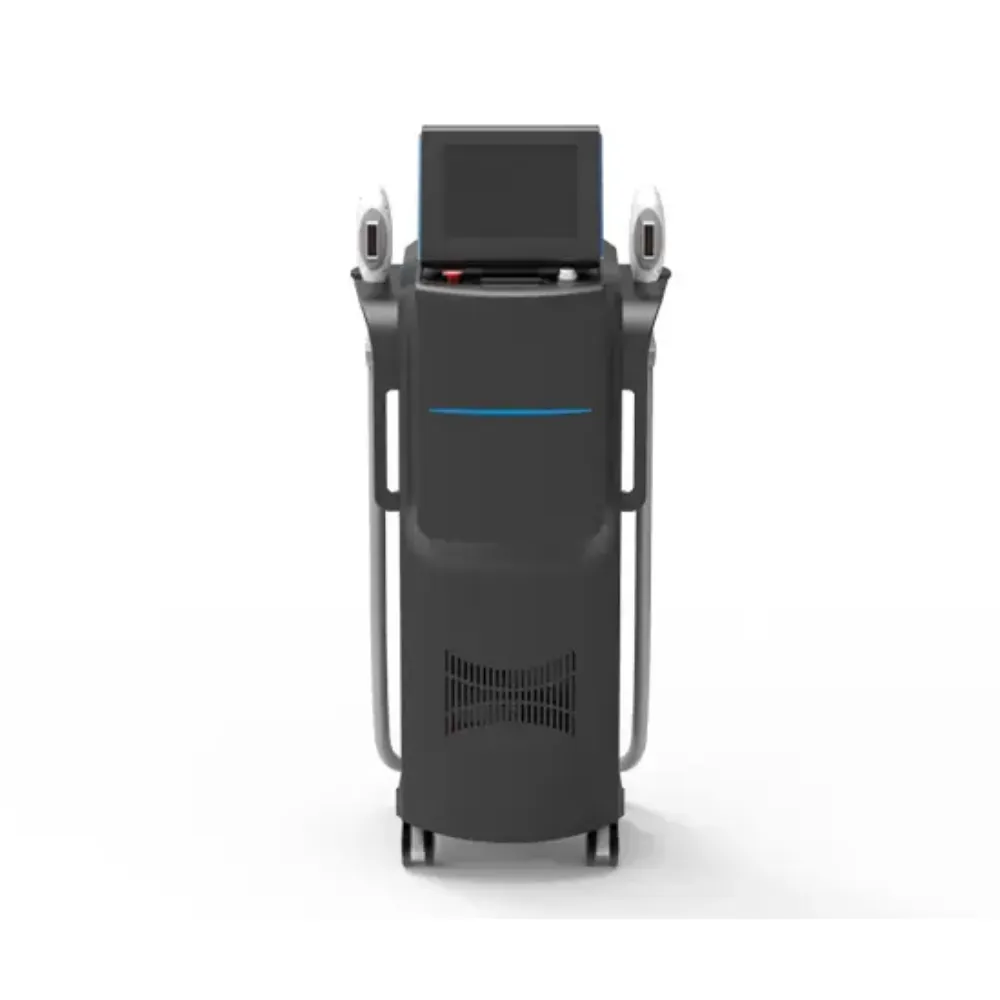
The table gives starting points for your budget. Each price belongs to the named seller and package, checked on November 13, 2026. These are listed prices; ask each seller for a written quote.
| System and seller source | Advertised price | Scope to confirm |
|---|---|---|
| LumaPulse IPL, LumaBody | $3,680 promotion; $4,090 reference | Seller describes a seven-filter tabletop system and delivery to US/Canada; November promotion runs through November 30. |
| SkinAct IPL Pro, Spa & Equipment | $12,999 | Confirm parts, training, freight, tax, and the warranty you select. |
| Medi Next IPL, Glownar | $18,900 sale; $20,870 reference | Confirm package and delivery terms; a separate sitewide coupon has not been applied. |
These prices alone cannot show how well the systems work, who they can treat, or which market rules they meet. A reference price is the seller’s comparison figure, not proof of a past sale at that price. Recheck offers and included items when you request your own quote.
For current LaserTell options, explore the professional IPL catalog and choose the setup you want priced. Send the same parts list and delivery needs to every supplier you compare.
Compare professional IPL machine prices for systems that meet the same clinic needs. A home-use handset price does not establish a clinic equipment budget. A patient photofacial fee pays for a service, not the purchase of the system.
A combined console may include IPL alongside a diode laser or other energy sources. Its whole-system price is not an IPL module price. Ask for the components included before comparing it with a stand-alone system.
You can compare an IPL machine price once the package and sales terms match. Start with intended services, then list the equipment, parts, records, and support needed to provide them.
Intense pulsed light (IPL) uses filtered broadband light. It is not a laser, even when a seller uses “IPL laser” in a product title.
Ask which filters, handpieces, pulse controls, and cooling features come with the offered system. A long treatment list does not show that every use suits your patients or meets your market’s rules. Have your clinical lead check the system’s limits before you plan treatments.
Electrical input power also differs from optical output at the treatment window. A larger wattage number alone cannot show treatment quality or explain a price difference. Ask what each value measures and how it was tested.
Use our IPL equipment selection guide for the broader buying checklist. If you are comparing light sources, review diode laser versus IPL for clinics before you compare their prices.
Record the equipment, freight, insurance, import charges, installation, and initial training separately. Check power supply, access, and other site needs against the maker’s setup instructions. A delivered offer may already include charges that another seller lists separately.
Then check the warranty. Check which lamps, handpieces, travel, shipping, and labor it excludes. Ask who receives the equipment for repair and who pays transport.
Device records deserve the same care as IPL machine cost. For the US market, the FDA explains that 510(k) clearance differs from approval. Match the records to the exact device and intended use. Registration or clearance for another product cannot settle that check.
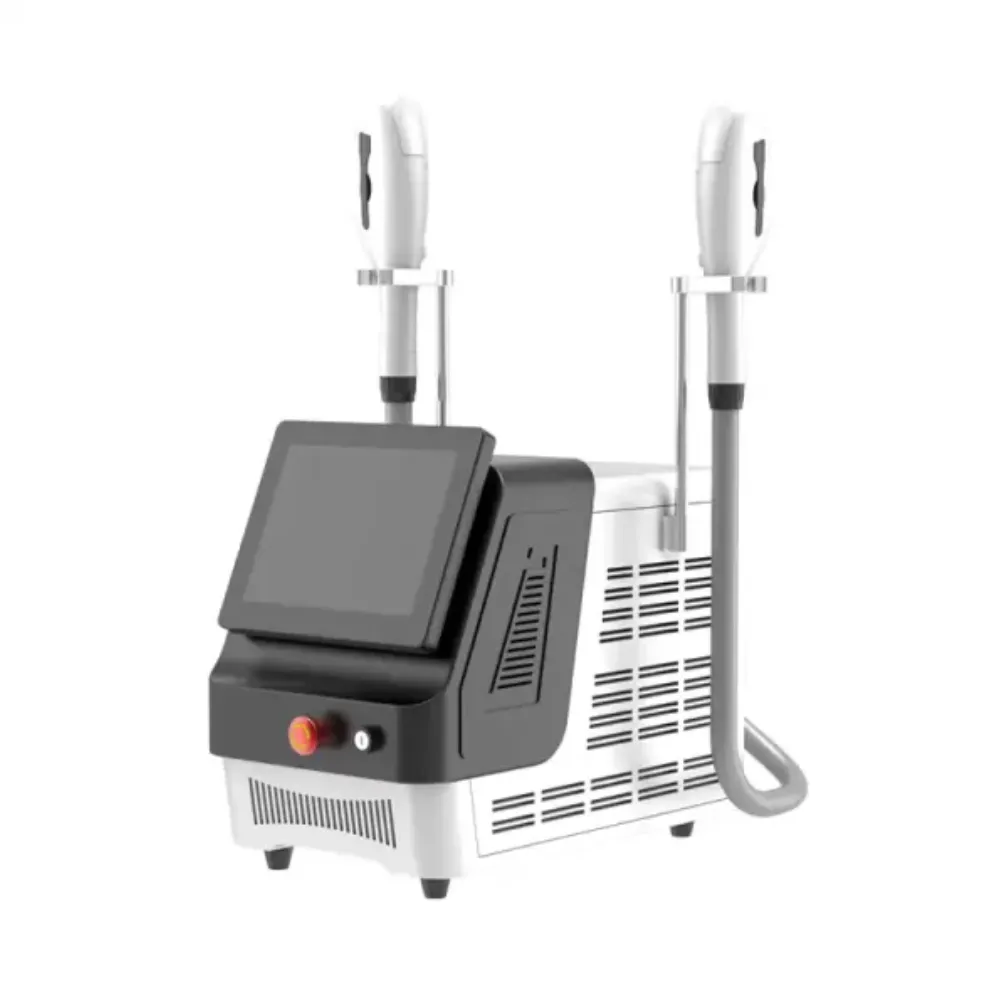
A useful IPL hair removal machine price comparison includes the costs after delivery. Ask for a written parts and service plan for the years you expect to own it.
“Lamp replacement” can mean different jobs. The supplier may replace a lamp inside an assembly, supply a cartridge, or require a complete handpiece. Ask which applies, who does the work, and whether calibration or shipping is needed.
Request the assembly price and the conditions behind its usable-life estimate. Rated flashes, warranty coverage, and consistent output are separate questions. Also ask how the counter records each mode before you use it in a budget.
Illustrative scenario, fictional: Morgan budgets $1,200 for a replacement assembly and assumes 100,000 usable flashes. That allocates $0.012 per flash. At an assumed 200 flashes per paid session, the reserve is $2.40 per session.
Morgan adds the supplier’s actual labor and shipping quote before comparing offers. The calculation makes those missing costs visible.
Those figures are arithmetic assumptions, not observed parts prices, treatment instructions, or LaserTell specifications. Real counters and pulse modes may differ. Replace every assumption with information for the proposed device.
Include the maker’s planned care, output checks, cooling-system care, approved supplies, power, and later staff training. Confirm which costs a service agreement covers before adding a separate repair reserve. Avoid counting the same work twice.
For each supplier, ask:
Downtime affects both capacity and cash flow. Model a repair delay using the bookings you could move or serve on another system. Count the contribution you would lose, rather than treating every postponed session as permanently lost revenue.
Paid staff time and room costs also belong in the budget. Define which are variable per session and which remain fixed when the room is quiet. That split helps you test the cost of a quieter room.
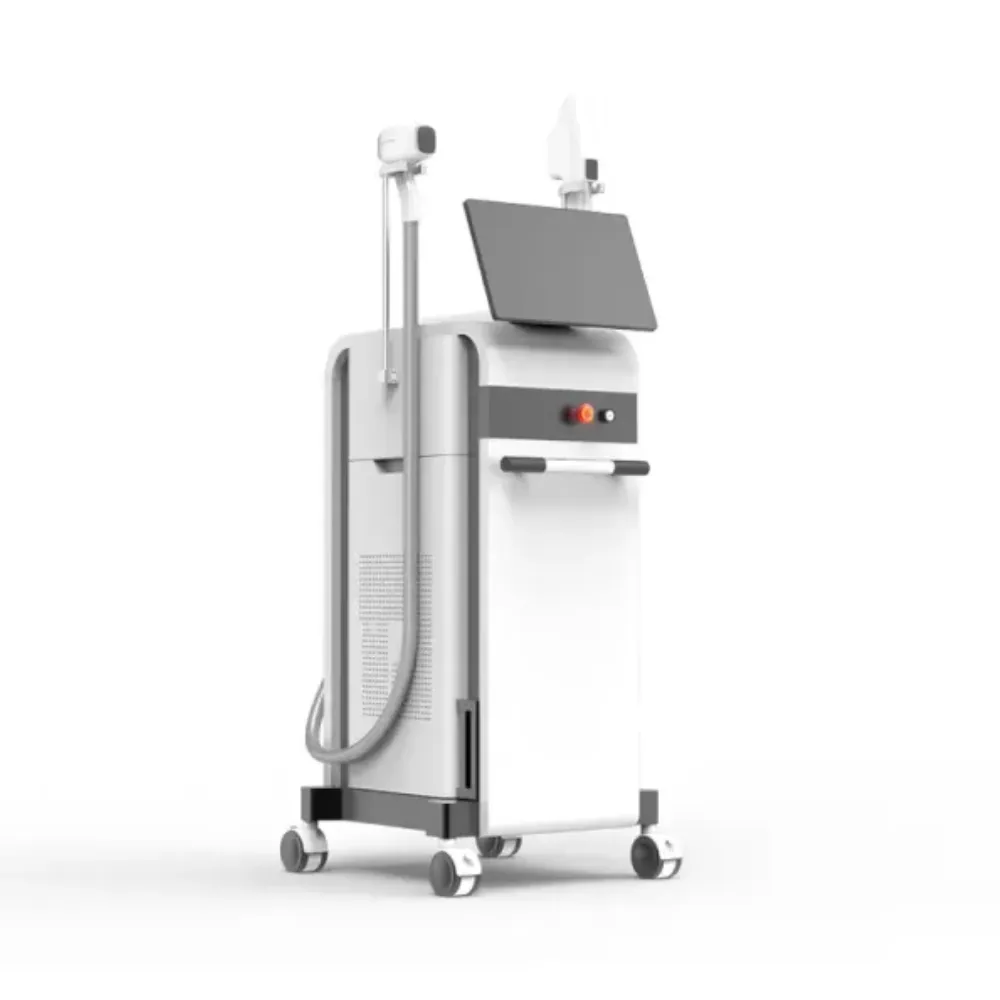
The lowest purchase price may not give you the lowest IPL machine cost over several years. Compare condition, remaining support, and the payment obligation together.
For a used IPL machine, ask for its model and serial number, service history, parts list, and inspection record. Check parts and software access. Ask whether the maker or a qualified service firm will support that unit.
Ask how output and cooling were checked. A low displayed pulse count alone cannot verify condition or remaining usable life. Confirm any lamp, cartridge, or handpiece replacement history and the records to support it.
Get written warranty and transfer terms. A previous owner’s service contract may not transfer with the device. Without those answers, a used-equipment discount is only a lower purchase figure, not proof of a saving over its life.
The US Small Business Administration’s equipment guidance explains that leasing can reduce upfront cash needs while changing lifetime costs and who pays for care. It also highlights buyout options and early-termination penalties.
Record the deposit, installment amount, payment count, fees, required insurance, maintenance, and final buyout. Check what happens at the end of the agreement. A monthly amount does not tell you whether you will own the system.
For distributors and own-brand buyers, confirm the scope of OEM/ODM customization, meaning manufacturing or design services for your brand. Check any design, packaging, device-record, and later support charges in the quote. Get those terms in writing for your order.
Use the same number of years when you build each ownership budget. Mark unresolved costs as “request quote,” rather than zero, and state whether taxes are included.
Copy this table for each shortlisted system. Separate one-time costs, annual costs, and per-session costs so they enter the calculation once.
| Budget line | Quote A | Quote B |
|---|---|---|
| Exact model, accessories, and currency | Fill in | Fill in |
| Equipment purchase | Fill in | Fill in |
| Delivery, insurance, import, and setup | Fill in | Fill in |
| Initial and later operator training | Fill in | Fill in |
| Replacement assembly, labor, and freight | Fill in | Fill in |
| Annual maintenance and service coverage | Fill in | Fill in |
| Variable supplies, labor, and utilities | Fill in | Fill in |
| Fixed room, insurance, and admin allocation | Fill in | Fill in |
| Finance charges or lease commitment | Fill in | Fill in |
| Downtime and residual-value assumptions | Fill in | Fill in |
For a cash purchase, use:
Ownership cost = purchase and setup + fixed costs over the period + variable costs for paid sessions − residual value.
Divide that total by paid sessions to estimate cost per paid session. Residual value is what you expect to recover when selling the equipment; it is an assumption until supported.
For a financed purchase, do not add both the equipment principal and full loan repayments to the same cost calculation. Compare acquisition plus finance charges, or use a clearly defined cash-flow model. A lease needs its own payment and end-of-term comparison.
Illustrative scenario, fictional: Riley plans an $18,000 cash purchase including setup. They allocate $6,000 in annual fixed costs and $65 per paid session for variable costs. Before signing, Riley models 240, 600, and 1,200 paid sessions per year. The comparison shows why the equipment budget needs a booking forecast as well as a purchase price.
The following assumes three years, zero residual value, no inflation, and costs before business taxes. The $65 already includes variable staff time, supplies, and a replacement reserve; don’t add Morgan’s example again.
| Paid sessions/year | Sessions over three years | Three-year cost | Allocated cost/session |
|---|---|---|---|
| 240 | 720 | $82,800 | $115 |
| 600 | 1,800 | $153,000 | $85 |
| 1,200 | 3,600 | $270,000 | $75 |
These are fictional budget results, not booking forecasts or price recommendations. More sessions spread fixed costs further, but demand, eligibility, staff capacity, and downtime still need separate assessment.
Complete the worksheet before requesting your final quote. Ask suppliers to resolve blank cost lines, then test a quieter year and a repair interruption.
Professional IPL machine cost varies with the configuration and package. The November 13, 2026 examples above are $3,680, $12,999, and $18,900. They are dated seller asking prices, not a market average. Request your own delivered quote, including accessories, training, tax, and service scope.
Budget for replacement assemblies, maintenance, supplies, utilities, staff time, and support beyond the agreed warranty. Their amounts depend on the model and workload. Ask whether replacement involves a lamp, cartridge, or whole handpiece, and whether the price includes fitting, calibration, and freight.
It can be worth considering when demand and net income support the purchase. First, subtract variable cost per session from the price you collect per session. Multiply that margin by annual paid sessions, then deduct annual fixed costs. The result is annual operating contribution.
Equipment cost divided by gross treatment revenue is not a profit calculation. If annual contribution is zero or negative, the purchase cost cannot be recovered through that contribution.
A used IPL machine may have a lower purchase price, but ownership cost also depends on condition, repairs, transfer fees, and service access. Check those items before calculating savings. An unsupported device or worn handpiece can change the budget even when the initial price looks attractive.
Choose after comparing total cost, available cash, maintenance duties, and end-of-term ownership. A lease can reduce the initial cash requirement while adding fees or a buyout. Compare the full commitment over the same period, rather than choosing the smallest monthly payment. Review unclear contract terms before signing.
Compare IPL machine cost using the same configuration, delivery basis, and ownership period. Start with the services your clinic can support, then check the accessories and documentation behind each offer. Keep dated seller listings separate from your negotiated quote.
Next, put replacement parts, training, service, and finance into one budget. Ask suppliers to resolve unknown amounts in writing. Record who owns each answer so a missing service term doesn’t disappear when the purchasing team compares totals.
Run the budget at lower utilization as well as your expected bookings. The worksheet should help you see the effect of a quieter room or a repair delay. It cannot prove demand or guarantee a return.
To discuss equipment with Beijing LaserTell Medical Co., Ltd., send your destination market, intended services, expected workload, and required accessories. Request an itemized IPL equipment quote with device details and clear sales terms. That gives your team a clear basis for comparing IPL machine cost before you commit to a system.
 13Nov
 13Nov
 12Nov
 11Nov