Laser Hair Removal Business Profitability: A Break-Even Guide
Laser hair removal business profitability depends on whether finished treatments generate enough contribution to cover the costs your model includes. Equipment alone cannot establish a...

Both diode laser and IPL have evidence for hair reduction, but the right clinic purchase depends on the specific devices, intended service and supporting documents. A diode laser vs IPL comparison should weigh measured outcomes, comfort, workflow and ownership costs rather than declare a universal winner.
The difficult part is matching the claim to the decision. A study may favor one device at a particular follow-up without proving that every machine carrying its technology label performs the same way. A supplier may also offer more services without showing that your clinic needs them.
This guide helps buyers separate those questions. You will see what comparative studies can support, which limits matter and how to request offers on equal terms. It addresses professional equipment; it does not choose a treatment for an specific patient.
Key Takeaways
- Both technologies have reduced hair counts in comparative trials.
- The studied devices, body site, population and follow-up limit how findings apply.
- Greater measured hair reduction can come with greater discomfort.
- Cooling claims and service-menu claims need model-specific documents.
- Compare complete quotations and support terms before choosing a platform.
Start with a shared brief: Record your intended services, destination market and support needs before asking suppliers to compare equipment.
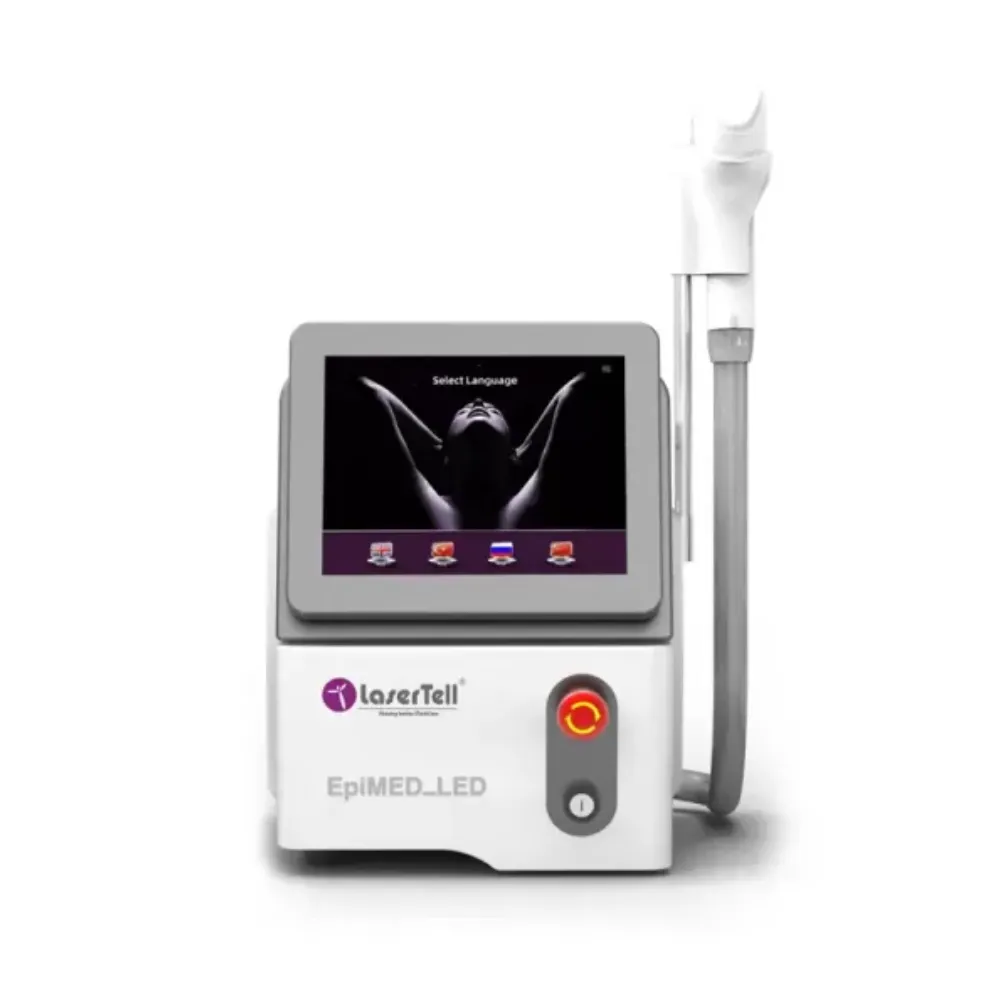
IPL means intense pulsed light. It uses filtered, broad-spectrum light rather than a laser source. Diode platforms use laser components with specified nominal wavelengths. These distinctions explain the technology categories, but they do not show a clinical ranking by themselves.
In a diode laser vs IPL purchasing file, record the exact model and handpiece. Ask the supplier to describe the source, available modes and delivered setup. Avoid treating every diode device as a single 808 nm system or every IPL platform as one fixed design.
A nominal wavelength also does not show the laser source. A diode platform with a 1064 nm component is not automatically a dedicated Nd:YAG laser. Likewise, a 755 nm diode component does not make the device an alexandrite platform.
Our three- and four-wavelength comparison addresses that separate setup question. Keep it distinct from diode laser vs IPL: one compares options within diode equipment, while the other compares technology categories and their complete offers.
Keep the date and version with each device sheet. A diode laser vs IPL review becomes harder to use when the quote changes but its supporting file does not. Ask the seller to name any changed handpiece or mode before carrying a previous decision forward.
This diode laser vs IPL guide concerns clinic buying. Do not transfer a home-device review to a professional system or use a professional trial to promise the same result from a consumer product. The intended use, design and operating needs need to match the question.
Ask which instructions, training and service arrangements accompany the offered machine. Marketing terms can sound similar across channels. A model-specific document is more useful than a familiar label when deciding what the clinic will receive.
| Comparison field | What to confirm for either offer |
|---|---|
| Light source | Device architecture and nominal wavelength or filter information |
| Configuration | Exact model, handpieces, modes and included options |
| Evidence | Tested device, population, body site and outcome |
| Operation | Relevant instructions, training and permitted conditions |
| Support | Maintenance, warranty, repair route and replacement parts |
Illustrative scenario: A clinic receives a brochure comparing a professional laser with a home-use IPL product. The buyer asks for evidence and terms for the actual professional IPL offer instead. This fictional example describes a comparison process, not a treatment outcome.
The evidence behind diode laser vs IPL includes studies in which the same participant received each treatment on opposite sides. That design can reduce differences between participants. It still tests particular devices under particular conditions rather than every system in either category.
Before using a percentage in a buying presentation, ask when it was measured and how hair reduction was assessed. Also name the number of participants remaining at that assessment. An early result and a later result answer different questions.
| Study | Scope | Finding and limit |
|---|---|---|
| Klein and colleagues, 2013 | Thirty participants, skin types II–III; axillary comparison of LightSheer XC and Ellipse Flex PPT | At twelve months, mean reduction was 69.2% for diode and 52.7% for IPL. Diode was more painful. These are study-specific results. |
| Ormiga and colleagues, 2014 | Twenty-one women; randomized comparison of opposite axillae | Both reduced hair counts; diode was more effective and more painful. The abstract does not supply an exact reduction percentage. |
| Barros and colleagues, 2026 | Women with skin types I–IV; LightSheer ET/ST compared with Light Pulse IPL | The primary endpoint did not show a significant hair-count difference in the intention-to-treat analysis. Later observations favored diode, with greater discomfort and substantial loss to follow-up. |
The 2013 randomized trial assessed participants twelve months after their final treatment. Its population and devices should stay attached to any summary of the percentages. The result does not become an expected clearance rate for a LaserTell model.
The 2014 axillary study offers another comparison, with follow-up six months after the final session. It supports discussing a trade-off between hair reduction and pain in that study. It does not justify inventing an exact percentage absent from the abstract.
The 2026 randomized trial distinguishes its primary assessment from later follow-up. Forty-eight women started, thirty-six completed all treatments, twenty-eight attended the four-week assessment and twenty attended the thirty-week follow-up.
At the primary endpoint, the intention-to-treat analysis found no statistically significant between-modality hair-count difference. Later objective outcomes favored diode, while pain was higher. Loss to follow-up limits the reading of the result. The authors also disclosed that the IPL equipment was supplied on loan by its manufacturer.
For diode laser vs IPL, a nonsignificant result is not proof that the technologies are equivalent. A favorable later result is also not a guarantee for a different device, population or body area. The study’s endpoints and retention both matter.
These studies concern axillary hair reduction, not every intended clinic service. None showes the performance of a specific LaserTell model. Ask your qualified reviewer whether the evidence is relevant to the proposed device and its intended use.
A useful diode laser vs IPL evidence file contains the citation, tested model, population, outcome and follow-up. Note whether the review covered a full paper or only an abstract. Keep a supplier’s explanation of relevance separate from the published finding.
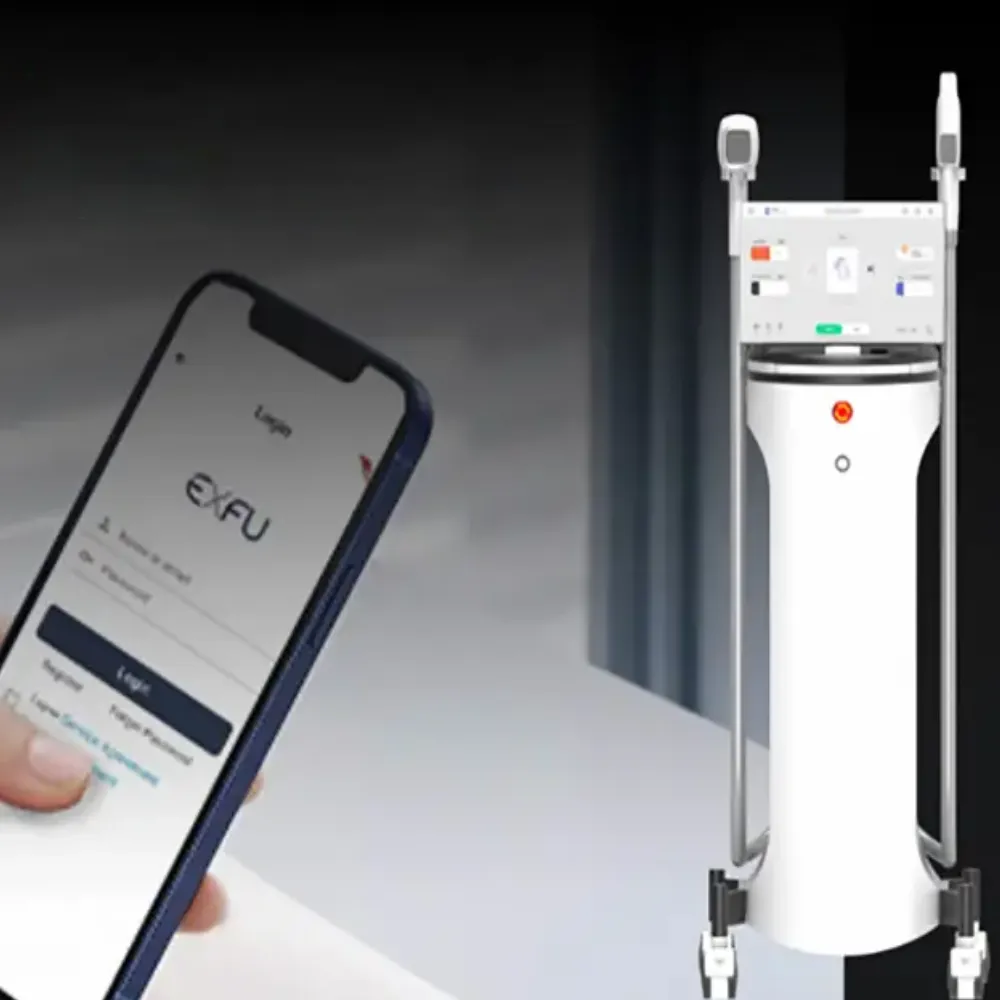
The diode laser vs IPL evidence review should record what remains unknown as well as what was measured. Ask the reviewer to separate a published finding from a proposed explanation. That makes it easier to see whether a sales claim goes beyond the study.
The cited trials make comfort an important diode laser vs IPL question. Greater hair reduction in a study does not mean that treatment felt better. Ask how pain was measured and keep that outcome separate from hair counts and satisfaction.
Do not convert a group finding into a promise that either procedure is painless. The offered device, clinical assessment and operating instructions still need review. This article does not set a treatment dose, contact temperature or session schedule.
For diode laser vs IPL claims about darker skin, first check which skin types were included in the supporting research. The studies summarized here do not show a universal safety conclusion for type VI. Missing coverage should remain an evidence gap, rather than being filled with a broad marketing statement.
Hair color, body area and other patient factors also require qualified assessment. A technology comparison cannot decide whether a particular person should receive treatment. Ask for model-specific intended-use documents and a justified review of applicable evidence.
Cooling should be checked as part of the complete device. Ask where a quoted temperature is measured and under what workload. An unloaded tip photo cannot show every aspect of operating performance or clinical suitability.
LaserTell’s cooling-system guide provides further purchasing questions. In this diode laser vs IPL comparison, keep the conditions consistent: measurement point, room conditions, operating mode, duration and recovery needs.
Illustrative scenario: A buyer compares a cold-tip photograph from one offer with an operating temperature record from another. The clinic requests comparable records before drawing a conclusion. The example does not suggest that either platform is safer or that either passed a clinical test.
For diode laser vs IPL buying, describe whether hair reduction is the planned focus or one service within a broader menu. Then ask suppliers to document how their exact platforms meet those needs. A list of potential applications does not show that every option is supplied or authorized.
If a seller proposes additional skin services, review their intended uses and supporting evidence separately. Hair-reduction findings cannot validate a different application. Confirm any extra handpiece, filter, training or operating requirement before assigning value to it.
Compare the LaserTell diode equipment range with its professional IPL and DPL equipment as portfolio starting points. The category pages do not replace a dated specification sheet or a model-specific quotation.
Next step: Send the same service brief to the supplier for each proposed platform. Request the included setup and relevant documents before comparing the packages.
A diode laser vs IPL speed claim needs a defined task. Ask what was timed: light delivery, the treatment step or the full appointment. Preparation, assessment, cleaning and turnover should not disappear from an operations plan.
Request a demo of the quoted model under its documented procedures. Have trained staff review handling, cable movement, screen access and the proposed cleaning workflow. Record those observations without calling them proof of better clinical outcomes.
A combined platform may be worth considering when its documented modules fit the planned services. Separate machines may answer a different workflow or support need. Neither format wins automatically.
For a diode laser vs IPL combined offer, name what each module includes and how maintenance or a fault affects access to the other functions. Ask about training and support for both. Keep this as a purchasing question rather than a general promise of more revenue from one machine.
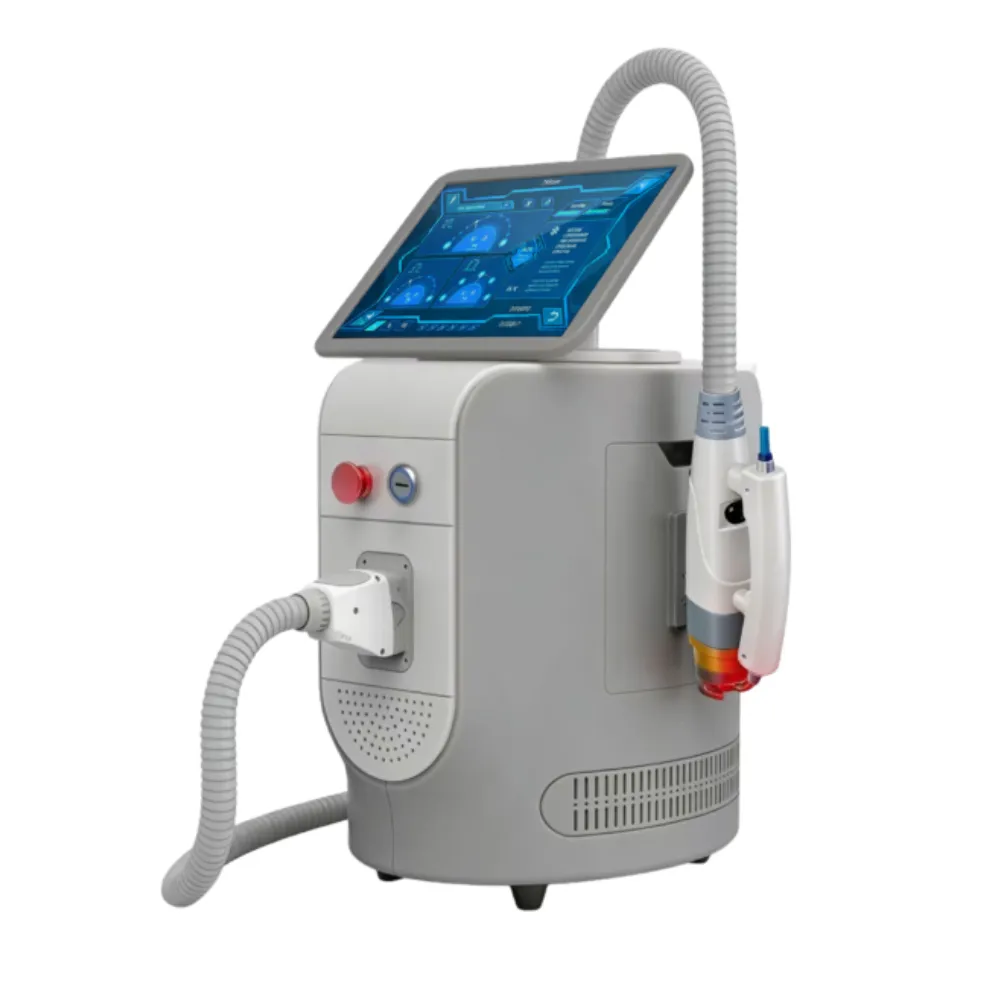
This guide does not provide verified LaserTell prices for either technology. A diode laser vs IPL cost comparison needs the exact model, setup, condition, destination and service scope. A generic equipment range cannot replace those details.
Ask suppliers to name what is included, excluded or not quoted. A blank field is not a free item. Keep the date, currency and offer validity with each proposal so later changes can be traced.
| Cost field | Question for both suppliers |
|---|---|
| Equipment | Which exact setup and accessories are included? |
| Delivery | Who handles freight, insurance, clearance and placement? |
| Training | What is covered, for whom and through which delivery method? |
| Care and parts | What scheduled maintenance and replacement quotations apply? |
| Service | Who pays labor, visits and repair transport? |
| Finance | What deposit, fees, interest and final payments apply? |
For a diode laser vs IPL cost sheet, give every uncertain amount an owner. Record who will request the missing quote and when it needs review. A clear open item is more useful than a guessed allowance that later looks like a confirmed price.
The diode laser vs IPL worksheet should name the parts and maintenance relevant to each offer. Ask about handpieces, filters or other components where applicable. Do not assign a universal replacement interval or shot lifespan from a technology label.
Use each model’s instructions and service terms to plan routine care. Confirm which tasks clinic staff may perform and which require authorized service. A component-life claim is different from a warranty commitment or a replacement price.
Choose the same comparison period and assumptions for both offers. List purchase, delivery, setup, planned care, parts and service costs, with finance and resale assumptions shown separately. Avoid counting a service twice if the contract already includes it.
A diode laser vs IPL equipment budget cannot show clinic profit or a fixed payback time. Demand, staffing, rent and other business costs need their own model. Lost bookings should also be distinguished from repair invoices rather than combined into an unexplained total.
Use a diode laser vs IPL decision sheet with three statuses: confirmed, awaiting evidence or unsuitable. Attach the source behind each decision and name the person responsible for open questions. Clinical, technical and commercial needs need the appropriate reviewers.
Do not turn an unresolved critical requirement into a small numerical penalty that an attractive price can cancel. Decide which gaps must be resolved before the clinic can accept the offer. Missing evidence does not prove a defective device, but it remains missing evidence.
Bring the same needs sheet to both supplier discussions. A diode laser vs IPL comparison should use matching questions about service, files and support. If the answers differ in scope, keep that difference visible rather than treating two unlike offers as equivalent.
For the final diode laser vs IPL decision, retain the model identifiers, accessories, approved changes and agreed verification process. The unit delivered should match the offer the team reviewed. If something changes, ask which documents or checks must change with it.
Request the relevant instructions, training scope, warranty and repair route before accepting the package. Device and handpiece coverage may have different terms. Confirm exclusions, start dates, labor and transport in writing rather than relying on a general promise of support.
Illustrative scenario: A clinic prefers one proposal but finds that its repair route is unspecified. It asks who receives a fault report, where repairs take place and who handles freight. The written answers become part of the purchase file. This fictional process implies no uptime, revenue or treatment result.
Keep an order-change record with the diode laser vs IPL buying file. If an option or service is removed, note why and ask which needs remain met. A lower revised total can reflect a smaller package rather than a discount on the original offer.
The useful conclusion from diode laser vs IPL is conditional: the selected model meets defined needs with stated evidence and limits. Keep the service brief and the accepted offer together. That gives operations staff a clear record after buying ends.
Some cited comparisons favored diode at specified follow-ups, while both technologies reduced hair counts. The evidence also includes greater discomfort with diode and important population and retention limits. Compare the actual models rather than promising the same result from every platform.
No. IPL uses filtered broad-spectrum light. Diode systems use laser components; the complete setup still needs confirmation for the machine offered.
The cited studies reported greater pain with diode under their conditions. That finding is not a personal comfort guarantee. Review the offered model and applicable evidence with the responsible clinical professional.
That requires model-specific evidence and qualified assessment. The summarized studies do not justify a universal conclusion for every skin type. A diode laser vs IPL buying table should not replace clinical screening or instructions.
Choose according to documented service needs, module evidence, workflow and support arrangements. Confirm both modules in a combined offer. More functions do not automatically mean a better purchase.
 22Oct
 21Oct
 19Oct
 16Oct