OEM Diode Laser Hair Removal Machine: A Private-Label Buyer’s Guide
An OEM diode laser hair removal machine project starts with a defined base model, a target market, and a written list of changes. Match that...

A diode laser cooling system manages heat inside a hair removal machine and at its skin-contact surface. Buyers should compare the cooling design, measured performance under load and maintenance needs. The lowest temperature in a brochure does not establish the best system for a clinic.
Cooling is more than a comfort feature. It helps manage heat generated by the laser module and handpiece. This guide explains how the main methods work together and what evidence to request before ordering. It covers professional hair removal equipment, with purchasing questions rather than treatment settings or repair instructions.
Key Takeaways
- Internal cooling and skin-contact cooling have different jobs.
- Water, airflow, TEC and sapphire can form parts of one cooling design.
- Compare temperatures at the same measurement point and under stated conditions.
- Confirm model-specific test records, instructions and service terms before accepting a claim.
What Does a Diode Laser Cooling System Need to Cool?
Laser hair removal requires repeated delivery of laser energy to the treatment area. The laser module and its diode bars also generate heat during operation. Both the treatment surface and the internal laser components therefore need to be considered when managing thermal load.
A diode laser cooling system addresses these two areas through a complete heat-transfer path. Inside the machine, heat must move away from the laser components. At the handpiece, the contact surface needs its own temperature-control design. A cold tip alone does not describe how the internal module is cooled.
A single laser pulse produces a limited amount of heat, but repeated pulses can increase the overall thermal load. As treatment continues, especially at higher firing frequencies, heat can accumulate if it is not removed at a sufficient rate.
The Coherent white paper on medical diode lasers identifies cooling as a design concern for these systems. It provides engineering background. It does not validate a particular LaserTell machine or establish its permitted operating duration.
For a diode laser cooling system, ask the supplier how heat leaves the module and reaches the room or another heat sink. Request a simple layout showing the main stages. This helps buyers see whether a claim describes one component or the whole device.
At the handpiece, cooling controls the temperature of the contact surface. Its role differs from cooling the laser source. The interface, timing and controls must be considered alongside the model’s instructions and intended use.
Don’t use a diode laser cooling system temperature figure as a universal promise of painless treatment or safe use across all patients. Clinical claims need applicable device evidence and qualified review. This guide does not set a target skin temperature, treatment dose or pre-cooling time.
The methods in a diode laser cooling system are not always competing alternatives. A liquid circuit may move heat away from a module while fans release heat from a heat exchanger. A handpiece can use a cooled contact window and a separate control loop.
Water cooling is commonly used to remove heat from high-power laser components. In a liquid-cooling system, a coolant circulates through channels or a heat-transfer structure near the heat-generating components, carrying thermal energy away from the laser module.
For a diode laser water cooling system, ask what coolant the manufacturer specifies and where its flow is measured. A pump rating by itself does not show the flow through the installed circuit. Confirm which checks staff can carry out and which require authorized service.
Rogers’ laser diode cooler overview explains engineering approaches to heat removal, including liquid cooling. Use it as background on component design. It does not prove that a quoted hair removal device uses a particular cooler or reaches a stated performance level.
Air cooling uses airflow to transfer heat from heated components or heat exchangers into the surrounding environment. Fans, heat sinks, and internal airflow channels can work together to move heat away from the system.
In a diode laser cooling system that combines water and air cooling, the two methods serve different roles. Water can carry heat away from the laser module, while airflow can remove heat from the water circuit or other heat-dissipating components.
Ask about clearance around the machine and the allowed room conditions. A demo in an open showroom may not represent a smaller treatment room. The supplier’s installation requirements should be part of the clinic’s room plan.
Thermoelectric cooling, commonly referred to as TEC, uses the Peltier effect to transfer heat from one side of a thermoelectric module to the other when electrical current is applied. The heat still needs a path away from the hot side. Laird Thermal Systems’ medical cooling application note provides engineering background on this heat path. Ask how it is arranged in the quoted device.
Sapphire contact cooling describes the treatment interface rather than a complete cooling circuit. A diode laser cooling system can use sapphire together with TEC or another cooling arrangement. Confirm how the window is cooled, where its temperature is measured and what the control system actually monitors.
| Element | Role to confirm | Buyer question |
|---|---|---|
| Liquid circuit | Moves heat from specified components | Where are flow and coolant temperature measured? |
| Airflow | Releases heat into the room | What clearance and room conditions are required? |
| TEC | Transfers heat between two sides | How is heat removed from the hot side? |
| Contact window | Provides the skin-contact interface | Which point does the temperature claim describe? |
| Sensors and controls | Monitor defined conditions | What fault response is documented? |
Illustrative scenario: Two quotes advertise different cooling methods. A buyer asks each supplier to draw the heat path. One system uses water and fans together; the other description only names its contact window. The buyer requests the missing circuit details before making a comparison. This is a fictional purchasing example, not a performance result.
Compare Diode Laser Cooling System Performance Under Load
A diode laser cooling system should be compared under conditions that match the claim being made. A standby temperature and a temperature recorded during repeated firing answer different questions. Request the conditions before comparing the numbers.
List the measurement points: contact surface, coolant inlet or outlet, internal sensor and room air. Ask the supplier to identify the point behind each figure. Also confirm the measuring instrument and how it was checked.
For a diode laser cooling system demonstration, record the model, handpiece and approved operating mode. Then record four conditions:
Your technical reviewer should agree on a documented test procedure with the supplier. Do not invent settings to stress a clinical device.
Condensation also belongs in the discussion. Ask what conditions the manufacturer permits, how moisture is managed and what staff should do if it appears. Frosting or a very cold unloaded tip should not replace a performance record under the agreed conditions.
A useful diode laser cooling system record shows what happens throughout the test, rather than only at its coldest moment. Ask for the initial value, values during operation and the recovery period. The supplier should state what qualifies as a pass under its documented procedure.
Keep the output claim alongside the cooling record. If a supplier changes the handpiece or operating mode during a demo, record that change. Results from different configurations should not be combined into one headline specification.
LaserTell’s guide to high-power diode lasers and clinic efficiency offers related purchasing questions. Use it to prepare a workflow discussion. Confirm any output, duty-cycle or timing claim against the exact model being proposed.
Illustrative scenario: A clinic sees a cold-tip photo in two proposals. It requests the measurement point, room conditions and a temperature log for each diode laser cooling system. One proposal only reports standby. The clinic leaves the loaded-performance field open until the supplier provides the relevant test. No patient or financial outcome is implied.
Next step: Request a cooling layout and a load-test record for the quoted model. Use the same fields for every supplier so your team can compare like with like.
A diode laser cooling system brochure is a starting point for review. Move each important claim into a checklist and attach its source. A dated specification sheet defines the offer. A test report explains the conditions behind a measured result.
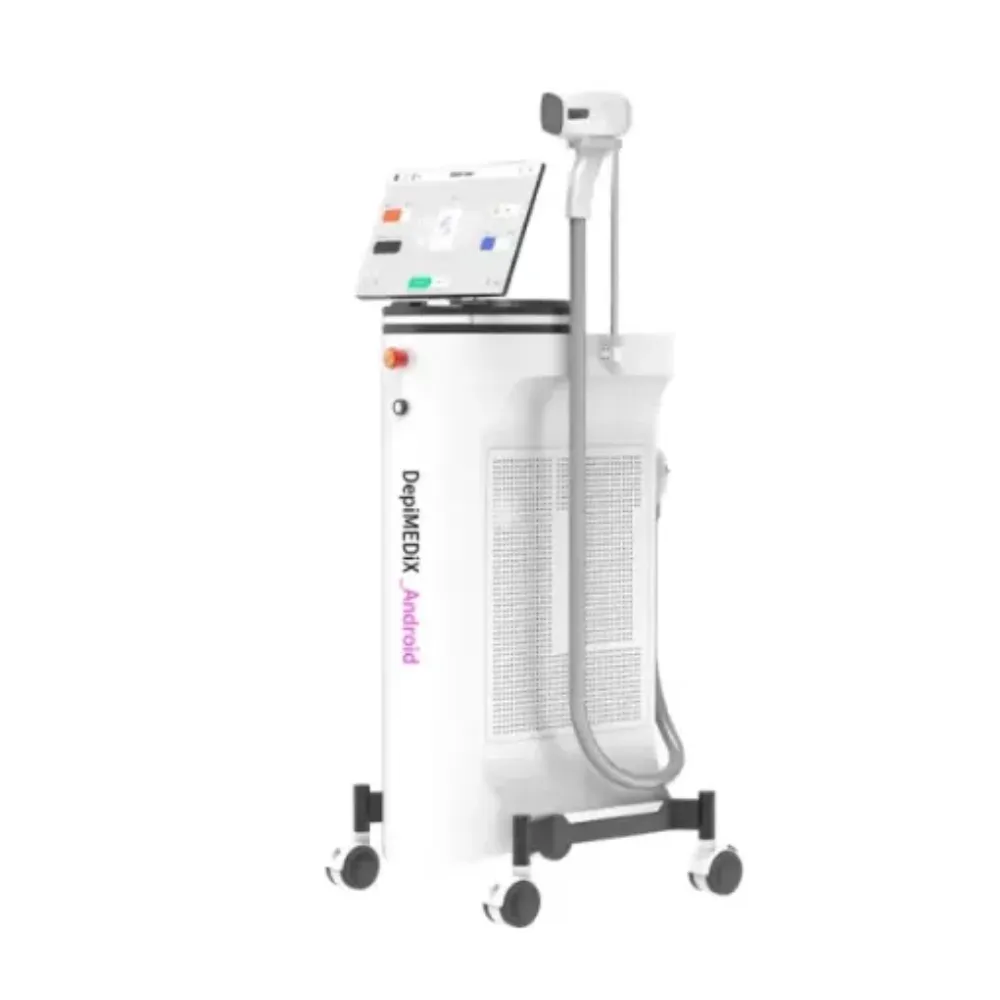
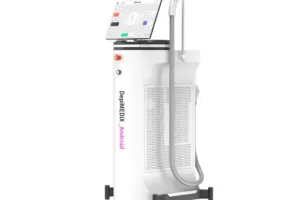
The LaserTell diode laser range and DepiMED Android product page provide portfolio and product information. Ask the supplier to identify the model and options in your quotation. Published product descriptions are manufacturer information, rather than independent validation of cooling or clinical outcomes.
For the offered diode laser cooling system, confirm which elements are included and which are optional. Link the specification sheet to the handpiece, software version and accessories. A family name alone may leave uncertainty about what the clinic will receive.
| Claim in the proposal | Evidence to request | Decision field |
|---|---|---|
| Contact temperature | Measurement point, conditions and temperature record | Confirmed or awaiting evidence |
| Continuous operation | Defined load, duration, recovery and permitted limits | Confirmed or awaiting evidence |
| Flow or airflow | Rating definition and relevant installed-system measurement | Confirmed or awaiting evidence |
| Fault protection | Sensor coverage, response logic and approved verification method | Confirmed or awaiting evidence |
| Component lifespan | Test basis, conditions and warranty relationship | Confirmed or awaiting evidence |
Cooling design and component life are related engineering topics, but a cooling-method label does not prove a particular shot count. Ask how any lifespan figure was obtained and what components it covers. Keep a design target separate from warranty coverage.
For a diode laser cooling system described as suitable for continuous operation, ask what continuous means in the supporting document. It may refer to a defined test rather than every possible workflow. Record the operating limits and recovery needs before using the claim in a clinic plan.
Changing a wavelength configuration or handpiece may change the quoted setup. Ask whether its cooling record applies to the version you are buying. A test for one option should not be attached to another without an explanation.
LaserTell’s three- versus four-wavelength comparison addresses the related configuration question. Use each article for its own role: wavelengths for model comparison, and this guide for cooling evidence. Neither a wavelength count nor a cooling label is a stand-alone clinical ranking.
Maintenance, Monitoring and Service Questions
A diode laser cooling system needs a model-specific maintenance plan. Ask for the instructions for use, or IFU, and confirm which tasks belong to trained clinic staff. Keep the supplier’s service procedure separate from routine cleaning.
Request the specified coolant, replacement interval and approved maintenance process. Do not assume that a generic water recommendation applies to every circuit. Ask whether filters or other parts need planned replacement and who supplies them.
For the contact surface, use the cleaning products and method allowed by the exact model’s instructions. An online article can’t replace that guidance.
Staff also need the documented response to damage or a suspected leak.
For a diode laser cooling system service plan, include the parts, labor and freight terms. Ask who provides local support, how faults are reported and whether a replacement handpiece requires setup or checks. These details make the service promise concrete.
Temperature sensors can provide real-time information to a control system, allowing abnormal temperature changes to be detected during operation. In a liquid-cooled system, monitoring may also cover water flow or pressure. Confirm which functions are present on the proposed model.
The diode laser cooling system supplier should explain the documented response to each alarm. Ask how an authorized technician checks that response. Buyers should not bypass alarms, alter thresholds or create faults to test a machine.
Illustrative scenario: A clinic receives an offer with remote support but no named repair route. It asks who handles cooling faults, who pays freight and how spare parts are ordered. Those answers become part of the purchasing file. This fictional example concerns support arrangements, not guaranteed uptime.
Next step: Ask for the IFU, maintenance schedule and written repair terms with the final quote. Resolve material gaps before accepting delivery.
Choose a diode laser cooling system by checking the complete offer against the clinic’s needs. Start with the intended service, permitted room conditions, staff training and repair access. Give each requirement an owner so commercial and technical questions receive the right review.
Mark each item confirmed, awaiting evidence or unsuitable. Attach the document behind the decision. If two suppliers use different measurement methods, ask them to explain the difference before assigning a performance score.
The diode laser cooling system acceptance file should connect the delivered unit to the agreed offer. Keep the model identifiers, accessories, installation record and test procedure together. Record unresolved differences in writing.
Before ordering, check these items:
This process gives a clinic a basis for comparison without promising a clinical result from a low-temperature figure. It also gives the supplier a clear brief to answer. The final choice should reflect the evidence available for the actual machine.
They can serve different roles within the same design. Water may transport heat while TEC controls a particular interface. Compare the complete heat path, documented performance and maintenance needs rather than ranking the labels alone.
The temperature needs context. Ask where and when it was measured and whether it applies under the stated load. A diode laser cooling system should be reviewed alongside its instructions and applicable clinical evidence.
Use the exact model’s instructions. Do not apply a universal standby time from another device or an online guide. Ask how the operator confirms readiness and what to do if the expected condition is not reached.
Request its defined test conditions, duration and permitted limits. Ask whether the result applies to the quoted handpiece and configuration. A diode laser cooling system test should include a record and an agreed interpretation, not just a sales phrase.
Request the IFU, coolant and cleaning requirements, schedule, warranty and repair route. Confirm who performs each task. Any model-specific procedure should come from the relevant instructions or authorized service provider.
Ready to compare an offer? Contact LaserTell with your cooling requirements and request the configuration documents, test conditions and service terms. A diode laser cooling system is easier to evaluate when every important claim has a clear source.
 26Oct
26Oct
 24Oct
24Oct
 23Oct
23Oct
 23Oct
23Oct