OEM Diode Laser Hair Removal Machine: A Private-Label Buyer’s Guide
An OEM diode laser hair removal machine project starts with a defined base model, a target market, and a written list of changes. Match that...

A triple wavelength diode laser and a four-wavelength system should be compared by their specific device evidence, delivered output, cooling and support. Wavelength count alone does not show which machine will give your clinic better results or need fewer sessions.
For a clinic buyer, the useful question is whether a documented setup meets the planned service, operating conditions and local needs. This guide explains how to compare three- and four-wavelength offers, read clinical research and turn a product brochure into a buying checklist. It does not provide treatment settings.
Key Takeaways
- Compare the exact model, handpiece and setup named in each quotation.
- Published studies of other brands cannot validate a LaserTell model on its own.
- Adding 940 nm needs model-specific evidence before it supports a clinical advantage.
- Cooling, training and repair arrangements belong in the buying decision.
What Is a Triple Wavelength Diode Laser?
A triple wavelength diode laser is a diode platform offered with three nominal wavelength components. The combinations discussed here are 755, 808 or 810, and 1064 nm. A four-wavelength offer adds another component, such as 940 nm. Confirm the precise combination and delivery method in the documents for the machine being quoted.
The wavelength list is a starting point. It does not describe the complete system. Buyers also need to know how the components are delivered, what output is specified at the handpiece and which accessories are included. Two machines carrying the same wavelength label can have different controls, limits and service arrangements.
Ask whether the quoted triple wavelength diode laser delivers its components together or through selectable modes. Request the manufacturer’s description of the optical design. If a brochure uses terms such as combined, simultaneous or adjustable, ask what each term means for that exact setup.
Do not treat a nominal wavelength as proof that two devices share the same laser source. A diode platform described as having a 1064 nm component is not on its own equivalent to a dedicated Nd:YAG platform. Likewise, a 755 nm component does not show that the device is an alexandrite laser. The source, delivery and supporting evidence must match the claimed comparison.
A triple wavelength diode laser buying file should include a model name, handpiece identifier, software version and dated specification sheet. These details allow a clinic to compare the delivered machine with the offer it accepted. A family name without a setup leaves too much room for misunderstanding.
Words such as advanced, powerful and intelligent need a defined feature behind them. Ask the supplier to show the function, explain its limits and name whether it is included or optional. An attractive screen can help staff navigate a device, but a screen design does not prove clinical results.
Before choosing a triple wavelength diode laser, write a brief that lists your planned services, staff experience, room constraints and support needs. This gives the supplier something concrete to answer. It also helps your team reject a feature that sounds appealing but has no clear role in the clinic.
The practical comparison begins with two complete offers. Put the triple wavelength diode laser quotation beside the four-wavelength quotation and use the same questions for both. Leave a field open when evidence is missing. Do not fill it with an assumption based on the larger number.
| Comparison field | Documents to request for either setup |
|---|---|
| Wavelength components | Exact nominal values and delivery method for the quoted handpiece |
| Output | Measurement location, test conditions and definition of the stated power |
| Cooling | Contact surface specification, operating conditions and recovery limits |
| Controls | Available modes, restrictions and instructions for trained operators |
| Clinical evidence | Device identity, population, outcomes and follow-up |
| Support | Training scope, warranty exclusions, repair route and parts availability |
Adding 940 nm changes the stated wavelength setup. That fact alone does not prove fewer sessions, less pain or better clearance. If a supplier claims a clinical advantage, ask for a direct comparison that identifies the tested devices and the conditions under which the result was measured.
A proposed mechanism can explain why a feature is being investigated. It cannot substitute for clinical results. Claims that a fourth wavelength improves follicle effects or vascular targeting should be linked to evidence for the planned use. Avoid turning a technical explanation into a guaranteed patient outcome.
The studies discussed below do not show that a LaserTell four-wavelength system outperforms its triple wavelength diode laser counterpart. That is a limit of the cited evidence, rather than a claim that no applicable comparison could exist. A supplier may provide further documents for review.
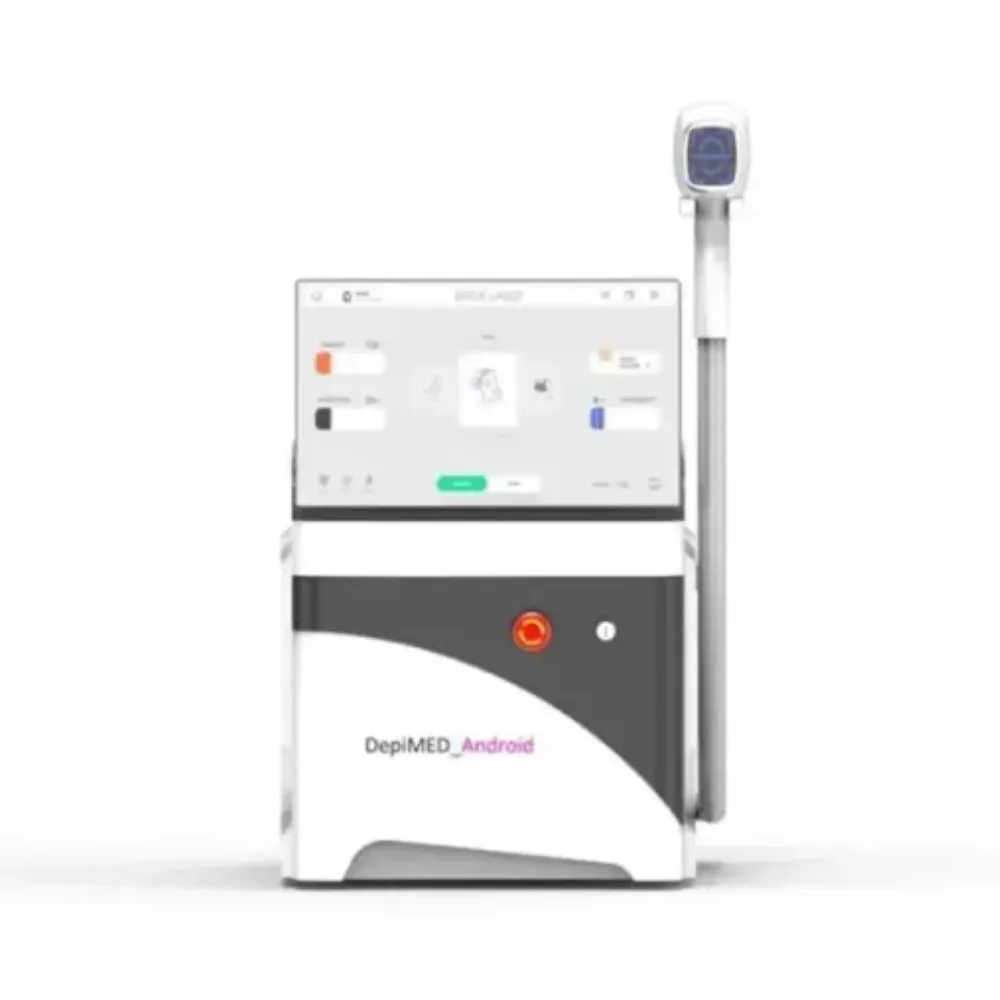
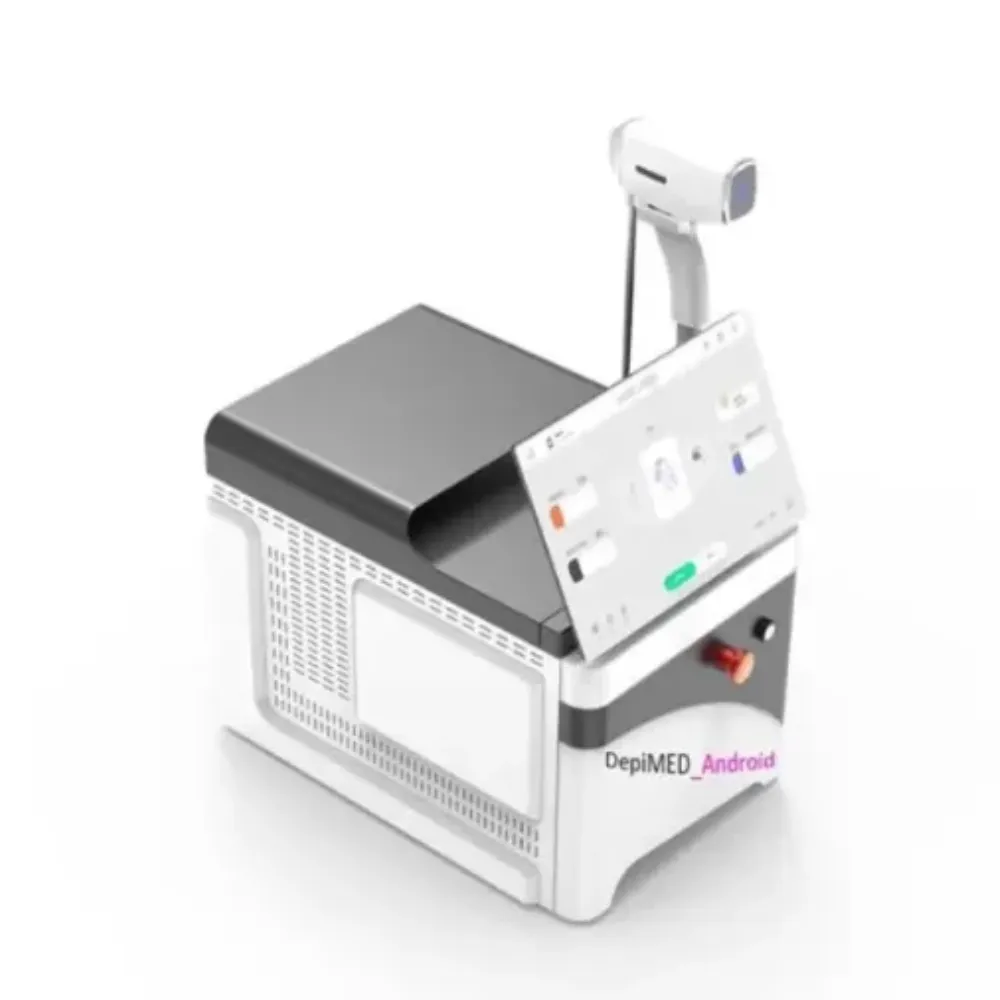
LaserTell’s DepiMED Android product page and DepiMEDiX product page are starting points for discussing available setups. Their published descriptions are information from the maker. Confirm every requested option in a dated quotation and specification sheet before relying on it.
For a triple wavelength diode laser comparison, ask LaserTell to name which quoted setup corresponds to each page. Product-family descriptions should not become promises about every unit sold under that name. Request a written explanation of any difference between the page, the proposal and the supplied instructions.
Illustrative scenario: A clinic receives a three-wavelength offer and a four-wavelength offer with a higher headline power. Its buyer requests the handpiece output definition and cooling test conditions for both. The comparison remains open until the documents use comparable terms. This fictional example describes a buying process, not a treatment result.
Next step: Ask your supplier for two setup sheets using the fields above. Compare each triple wavelength diode laser offer with the four-wavelength offer before requesting a final commercial proposal.
Research is useful when the device, population and outcome match the question being asked. For a triple wavelength diode laser, a paper on a named platform can support discussion of that platform under the study conditions. It cannot on its own support all machines with the same nominal wavelengths.
| Published study | Design and scope described in the abstract | Boundary for a clinic buyer |
|---|---|---|
| Akerman and colleagues, 2020 | Retrospective study of Soprano Titanium; 11 adult male participants and 27 sites, skin types III–V | Small study of a different manufacturer’s device; not a three-versus-four comparison |
| Kirit and colleagues, 2021 | Single-center prospective study of Soprano Ice Platinum; 25 adults, skin types IV–V | Device-specific population; not validation of every diode setup |
| Novel laser hair removal study, 2023 | Prospective, dual-center, single-arm study; 36 subjects with a triple-wavelength module | A single-arm design does not directly rank it against a four-wavelength system |
The 2020 combined triple-wavelength study evaluated a named Alma device, with follow-up of four to six months. Its size and design matter when interpreting the authors’ conclusions. A buyer should not translate those conclusions into a universal guarantee for another manufacturer.
The 2021 study in skin types IV and V addresses another named Alma platform. The 2023 prospective study provides further research on a triple-wavelength module. Neither cited abstract showes a clinical ranking of the LaserTell setups discussed here.
When reviewing triple wavelength diode laser evidence, name how hair reduction was measured. Photography, counted hairs and rating scales answer different questions. Also ask when the final reviewment occurred and how the study recorded adverse events. A short follow-up and a small sample limit what the result can support.
Separate a study’s reported finding from the sales conclusion attached to it. A result in a defined group does not prove performance across all hair colors, body areas or skin types. The number of sessions in a study should not become a promised package for every patient.
Keep three items in the triple wavelength diode laser evidence folder:
Illustrative scenario: A buying team receives a paper about a familiar triple-wavelength brand. The quoted machine comes from a different manufacturer. The team keeps the paper as background, then asks for evidence linked to the proposed model. It does not attach the published results to its own treatment menu.
For a triple wavelength diode laser claim that matters to your service, request the supporting documents before using it in patient information. Have a qualified reviewer review whether the evidence and authorized instructions support that wording.
Compare Cooling, Output and Handpieces
A triple wavelength diode laser is a complete device, not a wavelength list. Cooling, output delivery and handpiece design affect how the clinic operates it. Compare these features through documented conditions and a structured demo, without assuming that one headline specification predicts the entire experience.
A quotation may state electrical input, laser-module output or another power figure. Ask which one it uses and where the measurement is taken. Request the conditions and allowed tolerance. Comparing different definitions can make an apparent advantage meaningless.
For a triple wavelength diode laser demo, agree on the setup and approved operating conditions in advance. Ask the supplier to explain how output checks is performed and who can perform it locally. Keep any acceptance criteria within the supplier’s documented procedure and your clinic’s qualified review.
Avoid predicting treatment speed from watts alone. Appointment length includes reviewment, preparation, treatment and turnover. A useful workflow demo should show the applicable steps and name where timing depends on operator practice. Read LaserTell’s high-power diode laser and clinic efficiency guide for related buying questions, then verify any claim against the quoted model.
Ask where a stated temperature is measured: at a contact surface, inside the cooling circuit or somewhere else. Then request the ambient conditions, allowed operating duration and recovery needs. A temperature printed in a brochure is incomplete without this context.
The cooling system of a triple wavelength diode laser should be evaluated alongside its instructions and maintenance needs. Ask how the device alerts operators to a cooling fault and what the documented response is. Do not use a generic online troubleshooting sequence as a substitute for model instructions.
LaserTell’s diode laser cooling guide provides a related reading path. Use it to prepare questions about the offered system. Any limits or procedures still need confirmation in the applicable instructions for use.
For a triple wavelength diode laser handpiece, confirm the included treatment window, accessory options, cleaning instructions and replacement process. During a demo, let trained staff review handling, cable movement and access to the controls. Record observations without turning them into unsupported clinical claims.
Ask whether a spare handpiece is supplied and whether replacements need calibration or setup. A low replacement price is only useful when delivery, compatibility and installation are clear. These details can be more applicable to a clinic’s schedule than another unverified feature on the brochure.
Choose a triple wavelength diode laser when the specific offer meets your documented needs and the evidence supports its planned use. Consider a four-wavelength offer through the same process. Neither setup earns approval merely because it is simpler, newer or has more components.
Start with needs your team can verify. These include the planned service, authorized use in your market, staff training, installation needs and repair arrangements. Define who reviews each item. The buying manager can check commercial terms, while qualified clinical and technical reviewers review their respective documents.
For each triple wavelength diode laser candidate, classify a requirement as confirmed, awaiting evidence or unsuitable. Attach the document that supports the decision. Keep clinical fit separate from convenience and commercial preference so that a strong sales demo does not hide an unresolved requirement.
Apply the same sheet to the four-wavelength candidate. If its additional feature is the reason for choosing it, document what that feature contributes and how the contribution is supported. If the evidence remains unclear, leave the claimed benefit unresolved rather than assigning a unproven performance score.
Illustrative scenario: A clinic with limited local repair access compares two setups. One proposal explains the service route, spare-parts process and training scope; the other leaves those fields open. The clinic asks the second supplier to complete its file before deciding. This is a fictional support decision, with no claimed clinical or financial outcome.
Bring the decision sheet to the demo. Ask the representative to show the quoted controls and accessories. Note any feature that requires a different model, an upgrade or an extra purchase. A triple wavelength diode laser demo should represent the machine your clinic will receive.
Next step: Send your planned market, required setup and support questions to LaserTell. Request written responses that can be reviewed beside competing offers, including any unresolved clinical claims.
Training, Maintenance and Supplier Questions
Before ordering a triple wavelength diode laser, confirm who provides training and what it covers. Ask whether the clinic receives model-specific instructions, cleaning guidance, fault procedures and a record of training. The supplier should explain what staff may do and what requires authorized service personnel.
Request the warranty terms in writing. Check the start date, covered components, exclusions, freight responsibilities and the process for reporting a fault. Ask whether the handpiece has separate terms. Who will handle a fault? Get a clear contact and repair route. A general promise of support leaves these details open.
The triple wavelength diode laser acceptance file should connect the delivered unit to the purchase documents. Keep these items together:
For local compliance, request the documents applicable to the exact model and planned use. Check model names and document scope with the appropriate reviewer. A certificate associated with a company or another product should not be presented as authorization for every device in its catalog.
For a triple wavelength diode laser service plan, ask about routine maintenance intervals, consumables and allowed cleaning products. Confirm parts availability and how remote support works. Do not promise uninterrupted operation or a particular component lifespan without a defined, supported basis.
No universal ranking follows from the wavelength count. Compare the exact devices, evidence and operating needs. If the fourth component is presented as a clinical advantage, request a model-specific comparison that supports the claimed benefit.
The label describes nominal wavelength components, not proof of three separate laser sources. Request the manufacturer’s optical description. A wavelength shared with another technology does not show equivalent construction or clinical results.
The cited studies do not show that benefit for the LaserTell models discussed here. Session needs should not be promised from a wavelength list. Ask for evidence tied to the device and planned patient population, reviewed alongside its authorized instructions.
No. Device design, study methods and population affect how findings apply. Keep the tested platform visible in any summary. Treat a study of another brand as background unless a justified evidence reviewment showes its relevance.
Request the exact setup, instructions, applicable compliance documents, clinical evidence, training plan and service terms. Compare them with the four-wavelength offer using the same checklist. Resolve material gaps before accepting the proposal.
Ready to compare setups? Contact LaserTell with your buying brief and request model-specific documents. A triple wavelength diode laser decision becomes clearer when the wavelength list is backed by evidence and a workable support plan.
 26Oct
26Oct
 24Oct
24Oct
 23Oct
23Oct
 23Oct
23Oct