OEM Diode Laser Hair Removal Machine: A Private-Label Buyer’s Guide
An OEM diode laser hair removal machine project starts with a defined base model, a target market, and a written list of changes. Match that...

A high power diode laser hair removal machine should be reviewd by what its power rating measures, how it performs under documented conditions and how it fits the clinic’s workflow. More advertised watts alone do not show better clinical results, shorter appointments or higher revenue.
Busy clinics need to balance treatment delivery, patient experience, equipment availability and staff workload. A useful equipment comparison makes each of those questions measurable. It does not use a single specification to predict the whole day’s schedule.
This guide explains the documents and observations needed before choosing a high power diode laser hair removal machine. It covers output definitions, cooling evidence and complete appointment timing. It does not provide patient treatment settings or a guaranteed capacity increase.
Key Takeaways
- Separate electrical input, laser-module ratings and measured optical output.
- Peak power, average power and pulse energy describe different quantities.
- Compare the quoted handpiece under stated operating and cooling conditions.
- Measure the complete appointment before estimating scheduling capacity.
- Keep lifespan, warranty and financial claims tied to their own evidence.
Prepare your comparison: Ask each supplier to define its power figure and name the exact model and handpiece behind the quote.
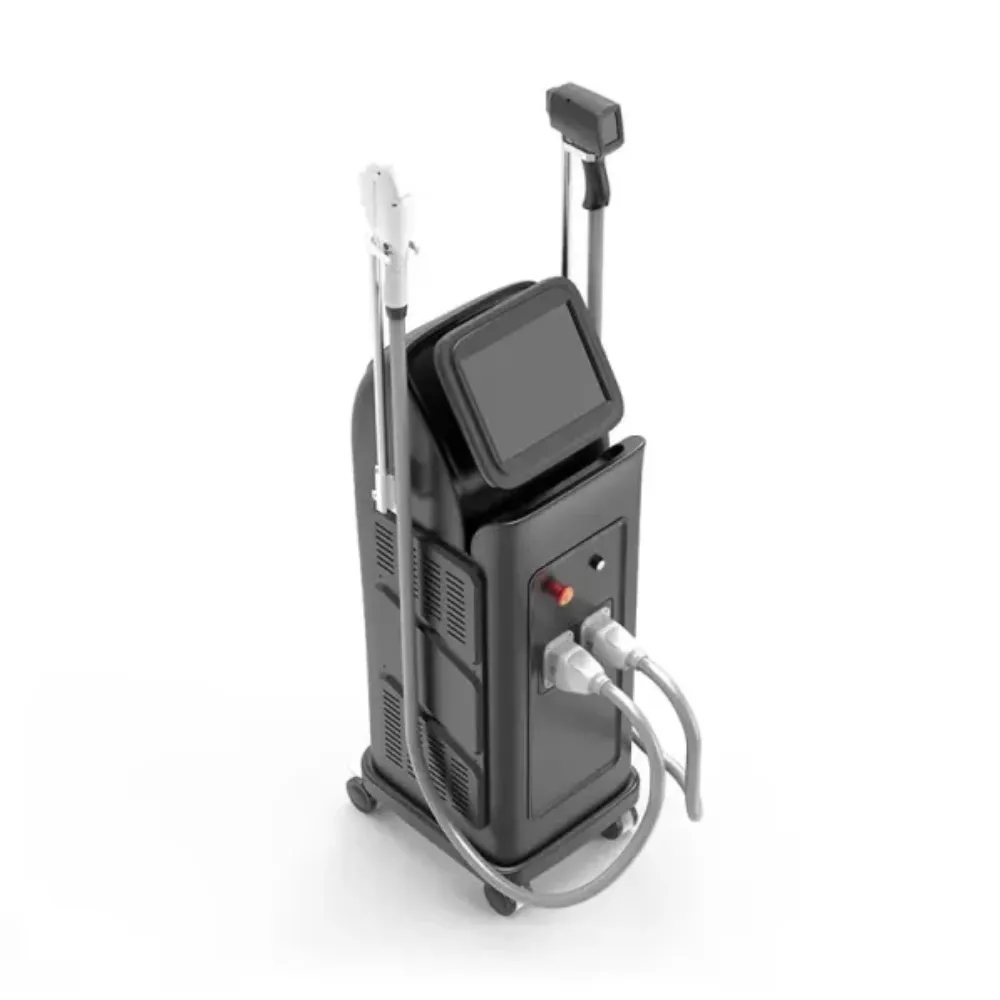
A high power diode laser hair removal machine offer may state electrical input, a module rating or an optical-output figure. Ask which quantity it uses and where that quantity is measured. A large number without a definition cannot support a fair comparison.
Keep the rating alongside its source document. Record the model, handpiece, available modes and specification date. If the supplier changes an option, ask whether the output information still applies to the revised offer.
Electrical power supplied to a machine and optical power leaving a handpiece are different measurements. Do not treat one as a direct substitute for the other. Request the relevant measurement method and conditions rather than assuming that a product-title number describes output at the treatment interface.
For a high power diode laser hair removal machine, also clarify whether a figure is a nominal design rating, a maximum specification or a measured result. Those descriptions need not mean the same thing. Keep the supplier’s wording and ask for any missing definition.
Ophir’s explanation of power and energy measurement distinguishes power during a pulse from average power over time. Pulse energy describes the energy in a pulse. Energy density relates energy to area, so a wattage cannot replace every other delivery specification.
These definitions help a buyer ask better questions about a high power diode laser hair removal machine. They do not provide a treatment recipe or show how a particular platform shapes its pulses. Ask the manufacturer how the quoted quantities apply to its actual delivery mode.
| Quoted item | Definition to request |
|---|---|
| Electrical input | What supply or consumption figure is being stated? |
| Module rating | Which component and operating conditions does it describe? |
| Optical output | Where is the light measured and by which method? |
| Peak or average power | Which time-based quantity is being reported? |
| Pulse energy | How is energy per pulse measured for the specified mode? |
Illustrative scenario: A buyer compares a machine’s electrical-input figure with another proposal’s handpiece-output figure. The buyer requests matching definitions before ranking them. This fictional example describes a document check, not a performance result.
A high power diode laser hair removal machine needs more than a power headline in its comparison sheet. Ask for the supplied treatment window, pulse characteristics, repetition rate and permitted operating modes. Keep these details linked to the same handpiece and setup.
Avoid assuming that every maximum specification is available at the same time. Ask the supplier which combinations are supported and where any limits are documented. A brochure listing separate maximum values does not show the complete working envelope.
For a high power diode laser hair removal machine demo, have the technical reviewer agree on the relevant documented procedure with the supplier. Record the model, accessories and mode being shown. Buyers should not invent settings to stress a device or reproduce a generic online protocol.
Coherent’s pulse-energy sensor information shows that instruments are selected for defined measurement tasks. A test record should therefore name the instrument and what it measured. The existence of a meter does not by itself make two reports comparable.
Ask who performed the checks, when the instrument was checked and how the relevant result was recorded. Your qualified technical reviewer can assess whether the method fits the stated claim. This article does not specify a sensor or an acceptance threshold for a clinical device.
The evidence file for a high power diode laser hair removal machine should retain the original report, not just a number copied into a sales slide. If the result concerns another handpiece or mode, note that difference. Request an explanation before carrying it into the purchase decision.
Wavelength setup is another part of the device description. Ask how its components are delivered and which options the quote includes. More components do not automatically show better results or simpler training.
LaserTell’s three- and four-wavelength comparison explores that topic separately. For this high power diode laser hair removal machine decision, keep the intended service, model evidence and complete setup in view.
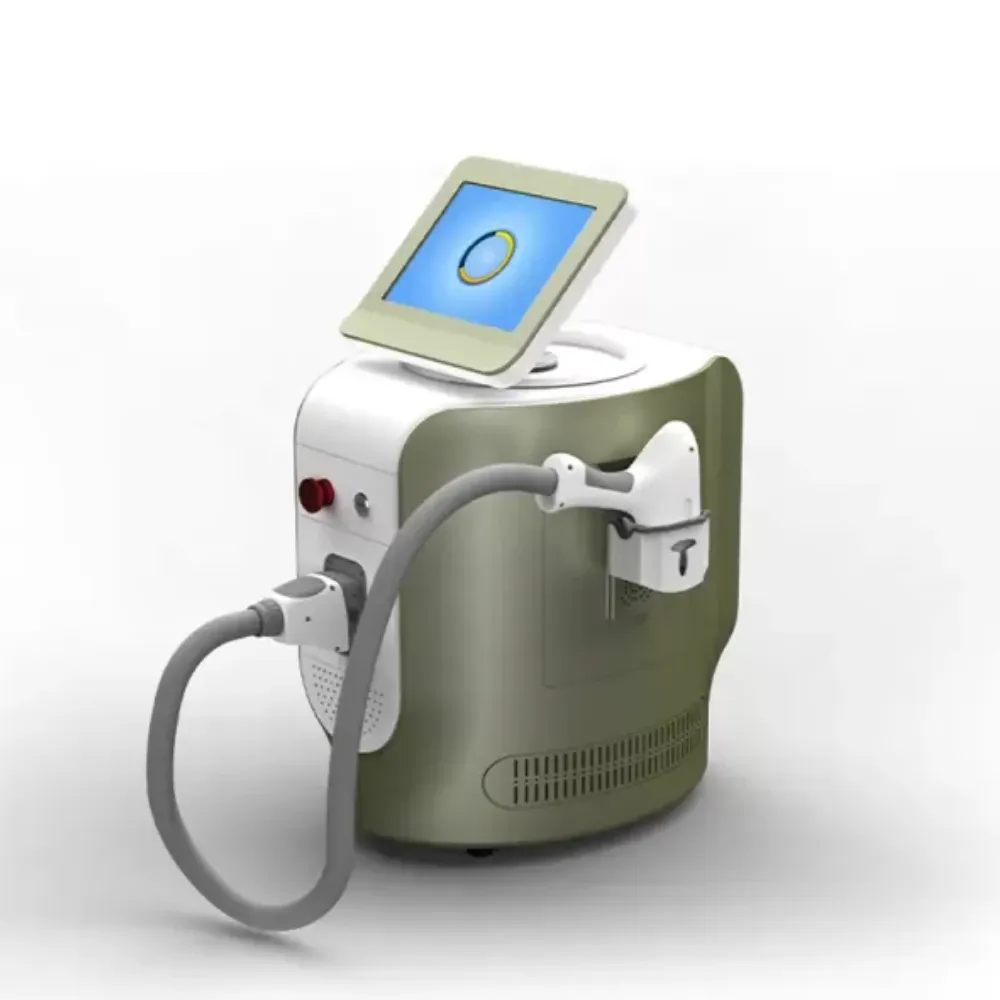
Cooling supports heat management inside the machine and at the contact interface. Those are related but different jobs. A minimum contact-temperature figure cannot describe the entire thermal design or prove performance throughout an operating period.
The Coherent white paper on medical diode lasers identifies cooling as an engineering concern. It provides background rather than validation of a specific LaserTell model. A high power diode laser hair removal machine still needs its own applicable documents.
Ask the supplier to explain the heat path for the quoted setup. Water, airflow, thermoelectric cooling and a contact window can serve different roles within it. Do not rank a system by counting cooling-method names in its brochure.
For a high power diode laser hair removal machine cooling record, distinguish room temperature, coolant temperature, internal sensor values and contact-surface measurements. Ask whether each value was taken at standby or during a defined operating test. Different measurement points should not be presented as equivalent.
Record the environment, starting condition, mode, duration and any recovery period. Ask for a time-based record when the claim concerns stability over time. A single cold-tip photograph cannot answer that question.
LaserTell’s diode laser cooling guide provides a deeper set of purchasing questions. Use the relevant model instructions to confirm permitted room conditions, required pauses and the documented response to abnormal conditions.
If a high power diode laser hair removal machine is described as suitable for continuous use, ask what continuous means in the supporting test. Identify the duration, load and limits. Do not turn a defined test result into a promise that every possible workflow can run without interruption.
Ask how temperature or flow faults are reported and who checks the documented response. Do not bypass alarms, change thresholds or create faults as an improvised test. Verification should follow the relevant manufacturer and authorized-service procedures.
Illustrative scenario: One supplier provides a standby temperature while another provides a record under a defined load. A clinic asks both to complete the same measurement fields. The comparison remains open until the scopes match; the example makes no claim that either machine is unsafe or defective.
Next step: Request a power-definition sheet and a cooling record for the exact offered model. Keep the test conditions beside the quote.
A high power diode laser hair removal machine may be considered as part of a workflow improvement plan. To review that plan, first define the task being timed. Light-delivery time, the treatment step and the complete appointment are different measures.
Record assessment, preparation, treatment, cleaning and room turnover separately. Include any required pauses. Ask staff to document what starts and ends each interval so observations are consistent across appointments.
The workflow sheet for a high power diode laser hair removal machine should also describe the room, staffing and service involved. A result from one task cannot automatically predict another. Differences in staff experience or preparation can change the observation without any equipment change.
| Workflow field | What to record |
|---|---|
| Task definition | Service, start point and end point |
| Preparation | Assessment and setup steps included in the observation |
| Treatment step | Actual recorded duration under approved procedures |
| Turnover | Cleaning, documents and room preparation |
| Interruptions | Required pauses and the reason for each interruption |
| Context | Staffing, room and relevant changes between observations |
Shorter measured appointments can create scheduling options, but they do not show that bookings will fill them. Staffing, room access and patient demand remain separate constraints. A high power diode laser hair removal machine specification cannot supply those business inputs.
If you build a capacity model, state the assumptions and test whether they match actual operations. Keep observed durations separate from planned booking slots. Avoid presenting a theoretical maximum as a routine patient count.
Revenue also depends on prices, demand and the services sold. Profit requires business costs as well. A shorter treatment interval does not by itself prove a revenue increase, lower costs or a particular payback period.
For a high power diode laser hair removal machine case study, request the underlying time records, comparison period and authorization to use the case. Ask what else changed in staffing, service mix or pricing. Without those records, use a clearly labeled teaching scenario rather than a claim about a real clinic.
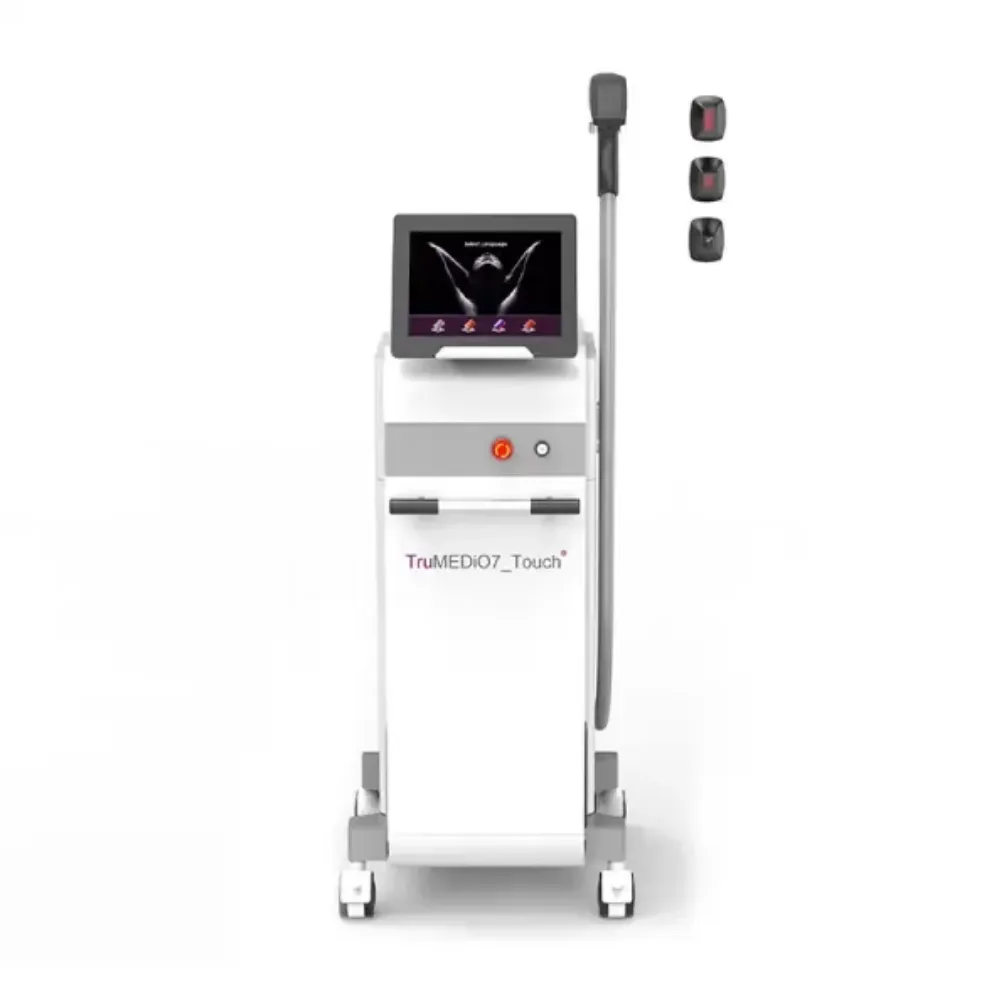
LaserTell’s professional diode laser range provides a starting point for setup discussions. The TruMED_iO7 Android product page is a model reference. Neither link replaces a dated offer or independently validates its performance claims.
Ask which high power diode laser hair removal machine setup the proposal covers. Match its identifiers, handpieces, modes and software to the supplied documents. Record any difference between the product-family page and the final quote.
What does the life claim cover? Request its test basis, conditions and scope. Ask what was tested and which components the result covers. Don’t treat a shot-count claim as a guaranteed replacement interval or a warranty promise.
For a high power diode laser hair removal machine, request the complete device and handpiece warranty terms. Check start dates, exclusions, parts, labor and repair transport. Keep the cost of uncovered service visible when comparing offers.
Ask for current instructions and documents covering the exact model and intended market. Have the relevant reviewer check their scope. A company-level quality document should not be used as proof that every product is authorized for every use.
Training, cleaning and routine care should match the model’s instructions. Ask who provides training, which staff it covers and how faults are reported. Do not assume that an advertised software function or general support statement is included in every package.
Illustrative scenario: A clinic likes a high power diode laser hair removal machine proposal but cannot name the repair route. It asks who receives faults, where repairs occur and who pays freight. The written answers become part of the buying file, without implying a guaranteed uptime or financial outcome.
Compare each high power diode laser hair removal machine against the same clinic brief. Mark needs confirmed, awaiting evidence or unsuitable. Attach the document or observation supporting the decision and name the reviewer responsible for open items.
Do not allow an attractive headline number to cancel out a missing material document. Decide which questions must be resolved before ordering. A clear decision can acknowledge uncertainty without pretending that a sales claim has been proven.
Keep four items in the acceptance file:
Record approved changes after the first quote. The unit that arrives should be reviewed against the package the clinic accepted.
For a high power diode laser hair removal machine delivery, agree on duties before dispatch. Receipt of a crate, completion of installation and completion of training are separate events. Keep unresolved differences in writing so staff know what still needs attention.
Keep the final instructions, support contacts and service records accessible to authorized staff. Ask which hardware or software changes require revised documents or new checks. Procurement should pass the accepted scope to operations rather than leave it in a sales email chain.
This makes the high power diode laser hair removal machine decision useful after purchase. The clinic retains a reason for the choice, a record of its limits and a route for resolving later questions. None of that requires a universal claim that more power is always better.
No. Confirm what the wattage measures, then review the complete device and workflow. A high power diode laser hair removal machine rating cannot show assessment, preparation, cleaning or turnover times.
They describe power on different time bases. Ask which quantity the supplier reports and how it was measured. Pulse energy and delivery conditions also belong in the explanation.
Not by itself. Compare the complete operating conditions and record the whole task. Scheduling capacity also depends on staff, rooms, required pauses and demand.
Request the defined load, mode, duration, environment and recovery conditions. A high power diode laser hair removal machine test should name the setup that produced its result. Do not apply it to an undocumented setup.
Request the exact setup, output definitions, relevant test records, instructions, market documents and support terms. Resolve important gaps with the responsible reviewers. Keep the final quote and evidence together.
For your next high power diode laser hair removal machine comparison, define the quantities before ranking the numbers. Review cooling under stated conditions and measure the full workflow before modeling capacity. Contact LaserTell with your clinic needs to request model-specific documents and a setup proposal.
 26Oct
26Oct
 24Oct
24Oct
 23Oct
23Oct
 23Oct
23Oct