IPL Machine Cost: Prices and Clinic Ownership Budget
Professional IPL machine cost depends on the system, parts, and support included. Listings checked on November 13, 2026 include LumaPulse at $3,680, SkinAct IPL Pro...

IPL hair removal uses intense pulsed light that hair pigment absorbs and turns into heat, which can damage follicles and reduce regrowth. It works across a course of treatments because hairs do not all reach their active growth phase together.
A bright flash alone tells you little about whether a treatment is suitable. Ask where the light goes, what absorbs it, and how the skin responds. That’s why two devices described as IPL can have different guides and skin limits.
If product explanations leave you confused about lasers, hair roots, and treatment schedules, the underlying process is easier to follow than the marketing. Knowing that process also helps clinic teams set clear expectations without promising total clearance or a fixed number of visits.
This guide follows the light from the treatment window to the hair, explains why repeat sessions matter, and shows where the science ends and the device guide takes over. Sources include DermNet and device maker Philips. For personal advice and clinic settings, use the device guide and a trained practitioner’s assessment.
Key Takeaways
- IPL delivers filtered broad-spectrum light; it is different from the selected wavelengths of a laser.
- Melanin in hair absorbs light and converts it into heat, helping reduce future growth.
- Hair growth cycles make repeated sessions necessary; one flash does not treat every follicle equally.
- Skin pigment also absorbs light, so skin tone, recent tanning, and exact-device eligibility matter.
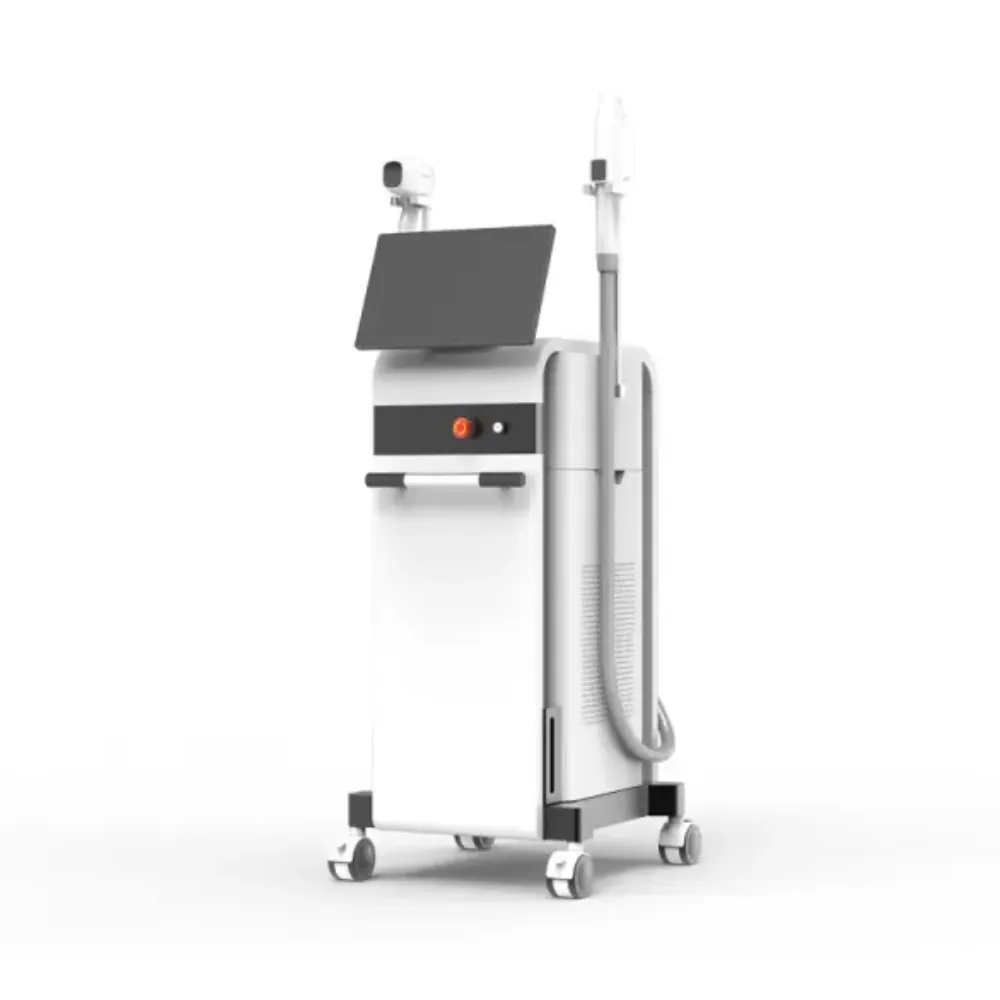
The mechanism has four connected steps. For IPL hair removal, the aim is to affect hair growth while limiting unwanted heating of skin.
The heating principle behind IPL hair removal is often called selective photothermolysis: using light absorption to heat a chosen target. Selective does not mean that surrounding skin absorbs nothing. That explains both the benefit and the need for a careful skin check.
Illustrative scenario (fictional): Maya, a clinic manager, reviews two IPL brochures during a staff training meeting. Both show a bright treatment flash, but only one identifies its hair-removal filter and matching user guide. Maya asks for the missing documents before choosing between the systems.
Maya leaves the meeting with a list of missing facts to request. The team has avoided assuming that similar flashes mean the same treatment.
For the equipment-selection questions behind that example, check the clinic IPL selection guide.
A filter changes the wavelength band reaching the skin. It does not turn the source into a single-wavelength laser. A filter label also doesn’t establish the right settings or who can receive treatment.
DermNet’s IPL explanation describes the light-to-heat principle and the use of filters for different targets. For hair treatment, that means reading the user guide for the exact hair-removal setup, rather than borrowing a setting meant for another use.
Wavelength, pulse delivery, and cooling belong together in an IPL hair removal system. A number printed beside a filter cannot explain the complete treatment on its own.
IPL hair removal works with the hair growth cycle. The hairs being treated are not all the same. At any one time, different follicles can be at different stages.
Anagen is the active growth phase. Pigmented growing hairs are important light targets, which is why treatment plans account for growth cycles. One session cannot force all resting follicles into the same growth stage.
Philips explains its IPL mechanism through pigment absorption, active growth, natural shedding, and repeated treatment. That explains why a course of sessions is needed. Its schedules and result claims apply to the listed Lumea models.
IPL hair removal does not pull hair out in the way waxing or tweezing does. You should not judge the treatment only by whether the skin looks hair-free right after it. Hair that is still visible and hair that is still actively growing are different things to note.
Equally, smooth skin after shaving doesn’t show that light treatment has affected the follicle. Shaving changes what you can see above the skin; a light-based treatment aims to influence new growth. Keep those two effects separate when discussing progress.
An IPL hair removal schedule depends on the device guide, body area, and clinical advice where needed. A home handset’s routine is not a clinic treatment plan, and a clinic’s calendar is not a reason to use a home device more often.
For IPL hair removal, document the actual schedule and when that schedule needs a fresh review. Treating an area again because progress feels slow won’t replace checking the method, skin chart, and expected results.
To check progress, ask what has changed between sessions and how the skin has responded. That review shouldn’t start with a promise that everyone will finish in the same week. Follow-up or maintenance needs should be part of that plan.
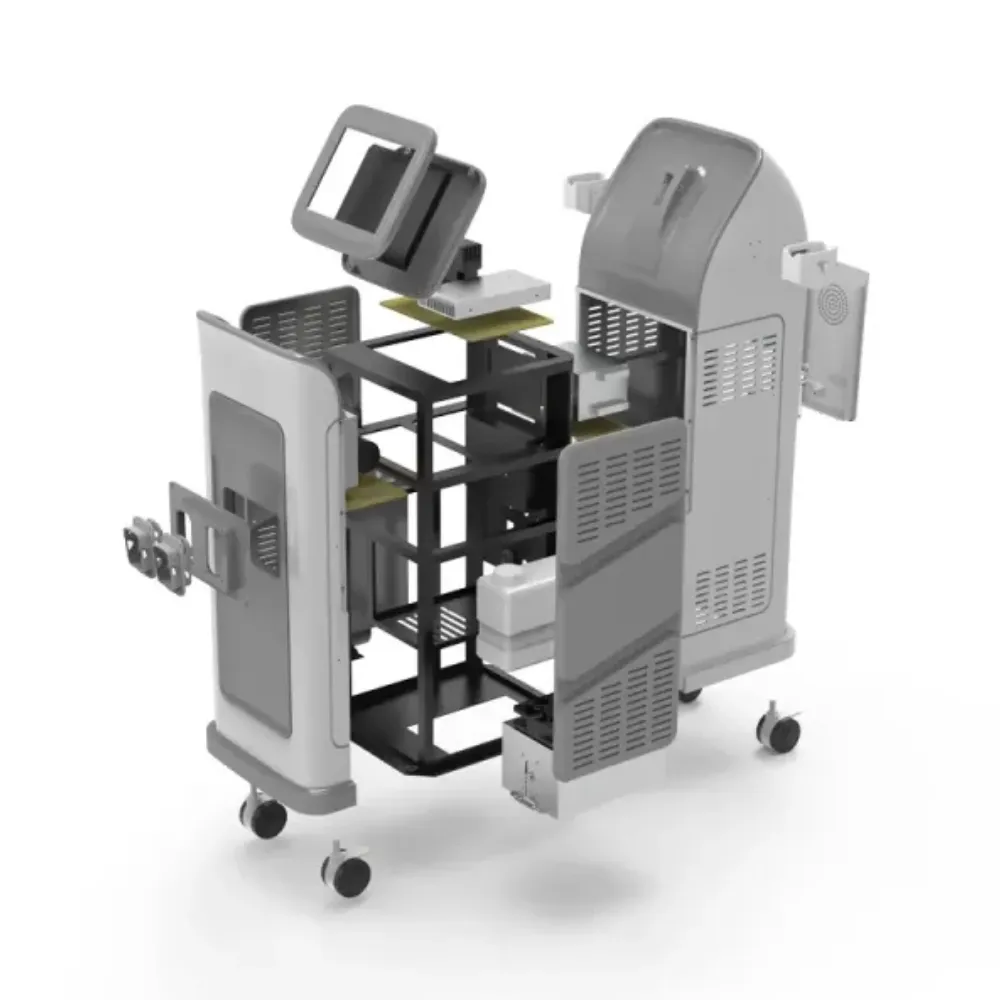
The key difference in IPL vs laser hair removal is the light source. Both approaches use absorption and heating, but they deliver light differently.
| Question | IPL | Laser hair removal |
|---|---|---|
| What light is delivered? | A filtered band of wavelengths | Selected laser wavelengths, based on the system |
| What is the shared aim? | Affect hair growth through pigment absorption and heat | Affect hair growth through pigment absorption and heat |
| What affects who can use it? | Exact model, settings, skin, hair, and treatment area | Exact laser system, settings, skin, hair, and treatment area |
| Does the technology name guarantee a result? | No | No |
This helps explain why calling an IPL handset a “laser” can cause confusion. It also explains why one technology name cannot tell a buyer everything about results, comfort, or who can use it. Those claims need proof for the system and the people being discussed.
Our diode laser versus IPL comparison covers the equipment decision in more detail. Here, the important point is that a shared hair target does not make different devices the same.
Home IPL hair removal devices have their own controls, treatment windows, limits, and routines. Clinic systems need the training, skin checks, work methods, and safety measures required for their setup.
Do not copy intensity levels, treatment frequency, cooling-gel use, or safety measures from one format to another. A video of a home handset cannot show staff how to use a clinic system. Use the actual guide, even if the controls look familiar.
Hair color and skin color affect how the light works in different ways. IPL hair removal needs a useful hair target, while skin pigment can compete for the delivered light.
Dark pigmented hair generally provides a more useful target than hair with little suitable pigment. DermNet describes IPL as generally ineffective for light-colored hair. The IPL hair removal chart for the actual model must show which hair colors and skin tones it can treat.
A higher setting does not solve a lack of pigment. More exposure does not supply pigment that isn’t there. A practitioner should explain that limit before someone starts a course.
Melanin is also present in skin. Unwanted light absorption can cause too much heat, blisters, or darker and lighter patches. This is why IPL hair removal requires a check of current skin tone, including changes after tanning.
Our guide to IPL for dark skin develops that question further. Follow a home device’s exclusions. Don’t ignore them because another product claims to suit more people.
DermNet’s skin-of-colour guidance discusses competing melanin and names long-pulsed 1,064nm neodymium-doped yttrium aluminum garnet (Nd:YAG) as a laser option. That is a specific type of laser, not Q-switched Nd:YAG or every device that lists 1,064nm. It does not show that any one person can have IPL.
Illustrative scenario (fictional): Alex returns from a sunny holiday before a planned IPL consultation. Their last skin check was before the trip. They tell the practitioner about the sun exposure instead of assuming the earlier decision still applies.
The practitioner checks their skin again against the device’s rules. Alex leaves with a clear next step rather than a treatment based on an outdated skin check.
IPL hair removal side effects can include discomfort, redness, swelling, burns or blisters, and pigment changes. Cooling can help protect the skin, but it cannot make an unsuitable treatment safe.
Clinic treatment needs the right eye protection and a trained operator. Skin testing and the wait to check its effects should follow the device guide and clinic protocol. A comfortable test does not prove that treatment is risk-free for every area or future visit.
Discuss recent sun exposure, medicines, skin conditions, and the body area during the skin check. Stop treatment and seek medical advice for worrying reactions rather than treating pain or blistering as evidence that the device is working harder.
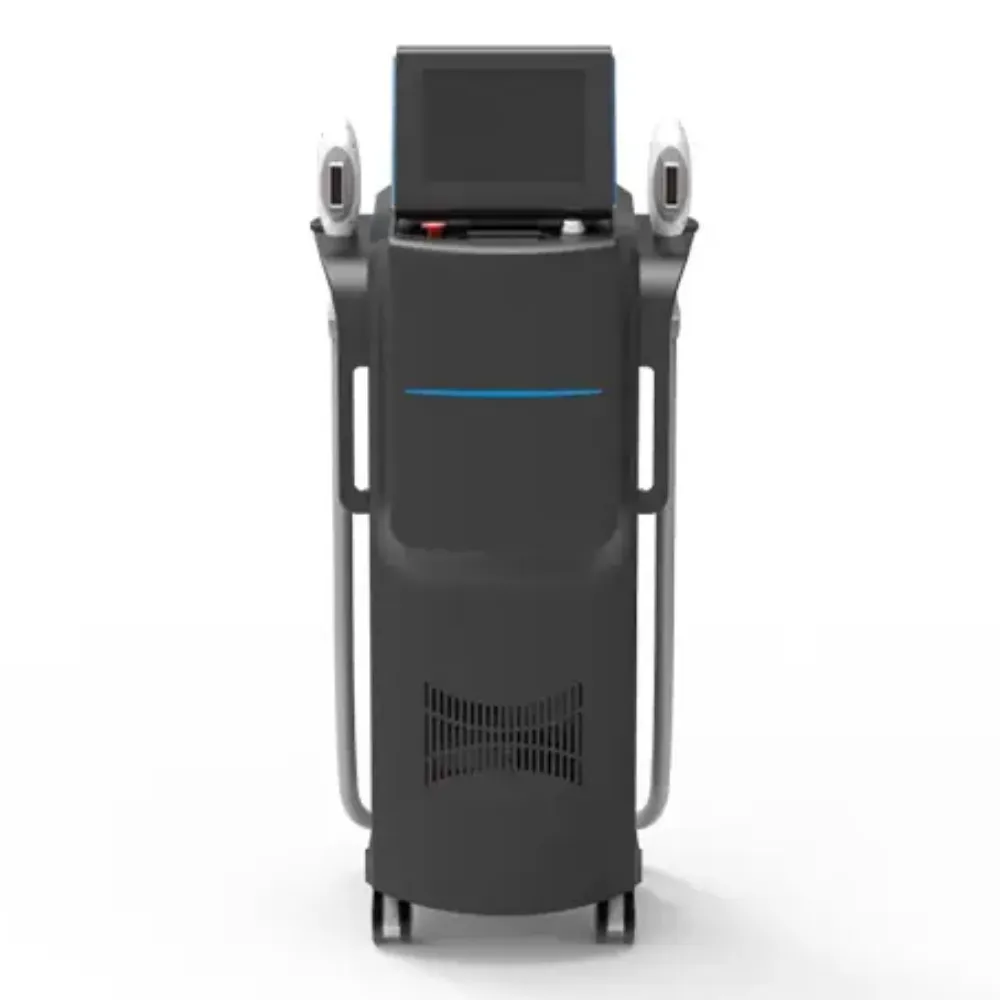
Understanding IPL hair removal helps you ask better questions about the device guide. It should not encourage staff to invent a protocol from a general explainer.
Shaving removes surface hair while leaving hair below the skin. That explains its role in many treatment routines. However, a rule about all ways of preparing needs support from the exact device guide.
For example, Philips’ preparation guide permits shaving, waxing, or epilation for the models it covers, with stated waits and rules. That does not tell you how to prepare for a clinic system. Follow the clinic system’s instructions rather than combining parts of unrelated routines.
The same applies to clean skin, contact methods, cooling, gels, and cleaning the treatment window. An instruction that is correct for one handset can be wrong for another system. If a step is unclear, get the device maker’s advice before use.
For a clinic IPL hair removal setup, ask for:
An IPL hair removal claim in a brochure should point to a source. A certificate image or another model’s study does not prove that this exact setup fits the proposed work.
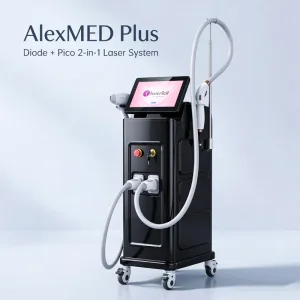
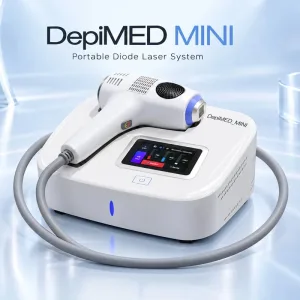
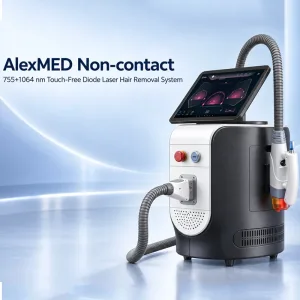
For professional options, review the IPL systems catalog from Beijing LaserTell Medical Co., Ltd., then identify the model for which you need a user guide and proof of its claims. A category name describes a group of products; they don’t mean that all models have the same features or clinical results.
Keep what staff tell clients in line with that file. Staff should be able to explain how light acts on pigment, the need for repeat sessions, and the limits of the proposed treatment without adding claims they can’t support.
IPL hair removal uses intense pulsed light to reduce regrowth through light absorbed by pigment and turned into heat. It is not a laser: IPL delivers a filtered band of wavelengths. The phrase “IPL laser” mixes two different types of light.
Light reaches pigmented hair, where absorbed energy becomes heat and can affect the follicle’s growth function. The device doesn’t pull out the root. Hair growth stage, pigment, and treatment conditions affect the response, so the process requires more than seeing a flash.
The name of the technology cannot promise that every hair will be gone forever. Discuss hair reduction, variability, and possible maintenance using the evidence and user guide for the actual device. A result reported for one product is not a guarantee for another.
Check how to prepare in the guide for your exact device or the advice from your practitioner. Shaving is common, but device makers can allow different methods and waiting times. Do not substitute a routine from a social-media video for that guide.
Do not increase treatment frequency beyond the user guide to chase a faster result. Growth cycles remain relevant, and extra exposure can irritate skin. If progress is slow, ask your practitioner or device maker to check fit, preparation, and correct use.
There is no single answer for every device and person. Light-colored hair can provide too little suitable pigment, while darker skin can absorb more of the delivered light. Use the exact-device chart and a trained practitioner’s check; do not override exclusions with lower settings or a different product’s advertising.
The central idea is straightforward: light absorbed by hair pigment becomes heat, which can affect future growth. Hair cycles explain the need for repeat sessions. Skin pigment explains why skin checks and safety steps deserve as much care as the expected result.
Before choosing a treatment, confirm the actual device, allowed body area, current skin condition, and steps to prepare. Ask how progress will be assessed and when a skin reaction or change should prompt a fresh check. Those questions are more useful than comparing promises about a universal treatment count.
For clinics, connect the patient explanation to the model’s user guide and supporting evidence. Keep training and clinical judgment involved at each step. A clear explanation helps staff recognize when a question needs an answer from the exact device guide.
If you’re evaluating IPL hair removal equipment, request model-specific IPL documentation from LaserTell. Include the intended treatment, patient population, and destination market so your team can review the proposed setup against its needs before deciding what to buy.
 16Nov
 13Nov
 13Nov
 12Nov