IPL Wavelengths: A Guide to Ranges and Cutoff Filters
IPL wavelengths form a broad, filtered band of light rather than one laser wavelength. Descriptions commonly span roughly 400 or 500 to 1,200 nm, but...

DPL stands for Dynamic Pulsed Light. It sits in the IPL family of treatments, which use short flashes of broad light instead of the single wavelength a laser produces. The difference shows up before the light ever touches the skin. A DPL hair removal machine passes its flash through a filter, trimming the beam to a narrower band. More of the energy then reaches the follicle, and less is spent on wavelengths that do very little.
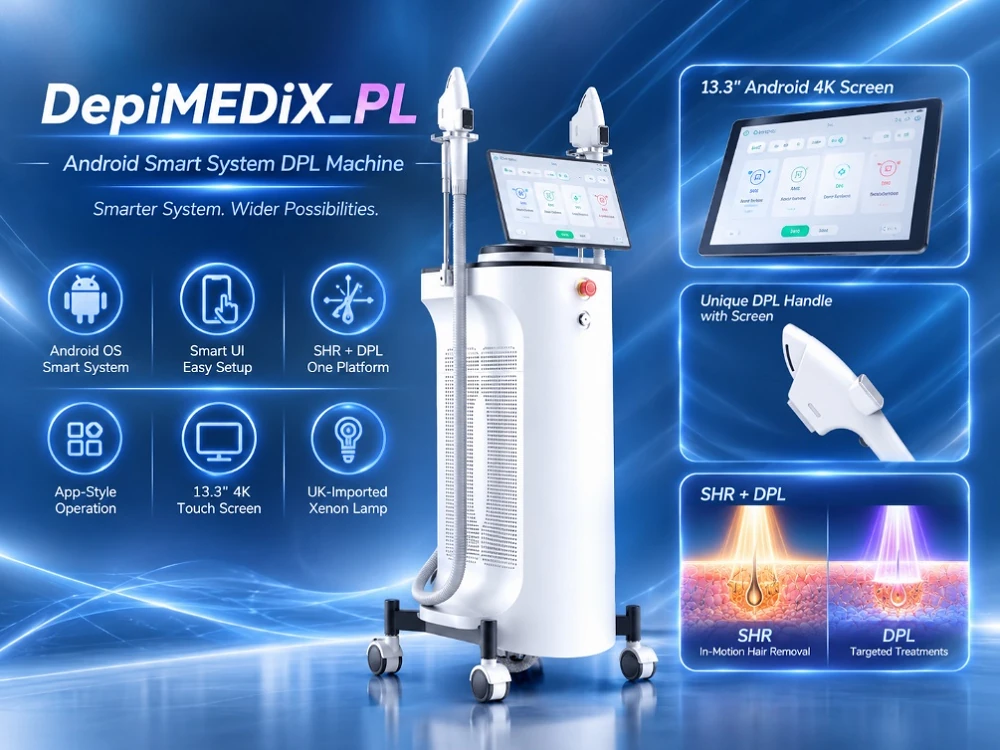
Conventional IPL emits many wavelengths at the same time. Some stop near the surface and never come close to a hair root. Others pass straight through the skin without being absorbed. Filtering removes a good share of that wasted light. What remains is a focused band that melanin takes up readily.
An everyday comparison makes this easier to picture. A bare bulb sends light of every color in every direction. DPL behaves like the same bulb fitted with a colored shade. The operator chooses the shade, the beam narrows, and the treatment becomes easier to repeat from one visit to the next. That repeatability matters in a clinic, where consistency counts for more than one dramatic result.
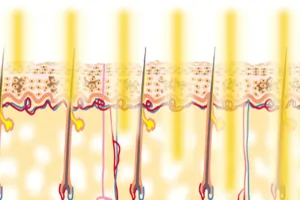
Hair gets its color from melanin. When a filtered flash reaches the skin, melanin in the shaft and the follicle absorbs the light and turns it into heat. That heat travels down the hair toward the cells responsible for growth. Once those cells are damaged, the hair sheds and either comes back more slowly or stops returning. The tissue around the follicle takes in far less light, which is why the surrounding skin stays largely unharmed.
Wavelengths behave differently in skin. Shorter ones stay close to the surface, while longer ones travel deeper. By cutting the flash down to a chosen band, DPL can aim at the follicle and limit how much energy the upper layers absorb. This is why practitioners look closely at the filter range rather than the wattage printed on a machine. High power means very little if the light never reaches its target.
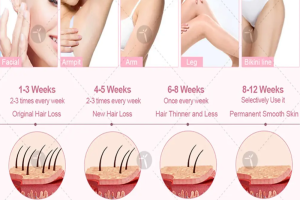
Hair grows in cycles. During anagen, the active growth phase, the follicle holds plenty of melanin and sits deep enough to absorb light well. It is followed by a resting stage, when the same follicle contains far less pigment. Light passing through a resting hair does almost nothing. Since only part of the hair on any area is growing at a given moment, one visit can never clear that area. Most courses run six to twelve sessions, spaced four to six weeks apart, so that each new wave of growth gets its turn.
Traditional IPL fires one strong pulse, then the operator lifts the handpiece and moves to the next patch of skin. SHR works differently. An SHR hair removal machine glides across the surface while firing many small pulses, several times each second. Each pulse carries less energy, but the repeated passes add up to a comparable total dose. The operator keeps the handpiece moving instead of pausing between spots.
Spreading the energy out changes how the treatment feels. Rather than one sharp snap, most patients notice a gentle warmth that builds slowly. Many clinics describe this approach as painless laser hair removal, though it is fairer to call the sensation mild and brief. The gradual delivery also gives the skin surface time to release heat, which makes the technique usable across a wider range of skin tones. Settings still need to be chosen with care, especially on darker skin, where surface pigment competes with the follicle for the same light.
The two methods reach a similar goal by different routes. A diode laser emits one precise wavelength. DPL delivers a band of filtered light. Neither option wins in every situation, so the decision rests on the clients you serve and the services you already run.
| Factor | DPL (Filtered IPL) | Diode Laser |
| Light source | Broad flash, filtered to a chosen band | One precise wavelength |
| Target | Melanin across several depths | Melanin at a set depth |
| Spot size | Often larger | Usually smaller |
| Pace on large areas | Quick, with wide coverage and fast repeats | Slower but highly focused |
| Skin-tone range | Flexible, depending on the filter | Strong at longer wavelengths |
Clinic owners comparing a laser hair removal machine with a DPL unit often find that workload matters more than raw output. Large backs and legs benefit from a wide spot and a quick repeat rate, while small areas such as the upper lip suit a narrower beam. Diode laser hair removal fits practices that want one well-defined wavelength for a tight set of protocols. DPL is not a diode laser, and the two should be presented honestly to patients rather than used as interchangeable labels.
The following profiles tend to see the steadiest results:
Clients with very light or gray hair usually respond less well, because there is little melanin to absorb the light. A consultation and a test patch help set honest expectations before any course begins.
The first visit normally starts with a consultation. The operator reviews skin tone, hair color, and any medical history that could affect treatment. A small test patch may be treated and then checked a week or two later. Once the settings are settled, the full session begins. Gel goes on first, then the handpiece is placed against the skin and moved in overlapping strokes. Depending on the area, an appointment can take anywhere from twenty minutes to well over an hour.
Mild redness right after a session is common. It usually fades within a day or two. Patients are told to avoid strong sun and to let treated hairs shed naturally instead of plucking them. Results appear gradually, because hair grows in waves. By the third or fourth visit, many people notice finer regrowth and longer gaps between shaves. The first session often feels different from later ones, since the operator starts conservatively and adjusts at the follow-up. Keeping a short record of settings and skin response helps the team refine each visit. Occasional maintenance sessions then help hold the outcome over time.
Everything above applies to DPL as a category. This section looks at one machine designed for clinics that want hair removal and skin work from a single unit.
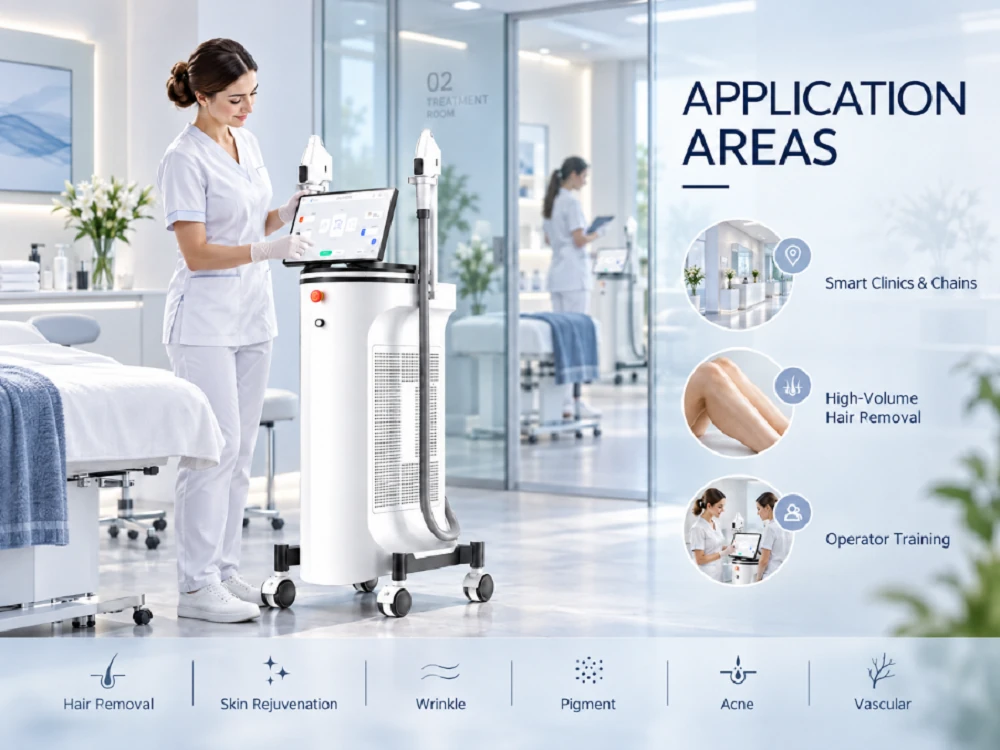
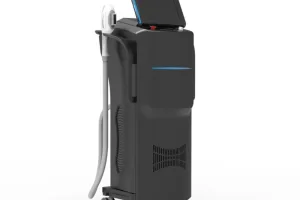
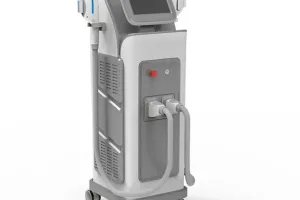
The DepiMEDiX-Android mounts two handpieces on one body. The S-DPL handle is built for hair removal, using a generous 10 × 50 mm spot and a fast repeat rate to cover large areas. The DPL handle carries three filters, so the same unit can turn to skin concerns once the hair course is under way. An operator switches handles without changing equipment, which keeps a busy treatment room uncluttered.
| Parameter | DepiMEDiX-Android S-DPL+DPL |
| Input power | 3000 W |
| Energy density | 1–50 J/cm² |
| S-DPL band and spot | 640–1200 nm, 10 × 50 mm² |
| DPL filters and spot | 420 / 530 / 560–1200 nm, 8 × 40 mm² |
| SHR repetition rate | 1–10 Hz |
| Light source | Xenon lamp, made in the UK |
| Display | 13.3-inch Android 4K screen, plus a screen on each handle |
| Power supply | 110–230 VAC |
| Weight | 55 kg |
| Dimensions | 67 × 60 × 125 cm |
Two handpieces give a clinic two ways to fill the booking calendar from one footprint. The S-DPL side handles high-volume hair removal, where the wide spot and ten pulses per second keep appointments moving. The DPL side extends the same visit into skin rejuvenation, so a patient arriving for hair removal can also schedule work on tone and texture. A 110–230 VAC supply means the unit can run in clinics across different regions without a special converter. The 55 kg frame sits on the floor, leaving the counter free for other tools.
No. DPL is a filtered form of IPL, so it releases a band of light rather than a single wavelength. A diode laser emits one precise wavelength. Both target melanin, but they remain separate technologies and should be explained that way to patients.
Most courses run six to twelve visits. Hair only responds during its growth phase, so appointments are spaced four to six weeks apart to catch each new wave. Fine, light hair often needs more sessions than coarse dark hair.
Most patients call it comfortable instead of painful, particularly in SHR mode. The energy arrives in many small passes, which produces a gradual warmth rather than a sharp snap. Mild redness afterward is normal and usually clears within a day or two.
The numbers describe the bands of light the handpiece can deliver. Each band reaches a different depth and is taken up by a different target in the skin. During the consultation, the operator selects the right one based on hair color and skin tone.
The unit runs on a standard 110–230 VAC supply. Day-to-day care is simple: keep the handpiece windows and filters clean, replace consumable parts on the recommended schedule, and store the machine in a dry room.
DPL hair removal works by filtering light into a band that melanin absorbs well, then delivering that energy so it reaches the follicle without overheating the surface. SHR mode softens the experience by spreading the dose across many passes. For a clinic, the practical choice comes down to spectrum, spot size, repetition rate, and how much one device can cover. The DepiMEDiX-Android pairs a hair-removal handle with a skin-rejuvenation handle, backed by a 3000 W stage and a wide spot for full appointment books.
If you would like the complete parameter sheet and a quote for your clinic, contact our team and we will send both over.
 21Nov
 20Nov
 19Nov
 18Nov