IPL Wavelengths: A Guide to Ranges and Cutoff Filters
IPL wavelengths form a broad, filtered band of light rather than one laser wavelength. Descriptions commonly span roughly 400 or 500 to 1,200 nm, but...

IPL treats patches of pigmented hair with light to reduce regrowth; electrolysis treats individual follicles and can permanently remove hair of any colour. The IPL vs electrolysis choice starts with the hair you want treated, your skin, and your goal.
The faster treatment can be the wrong purchase. A broad applicator cannot solve the lack of dark pigment in a white chin hair. Equally, choosing a method that treats one follicle at a time means accepting the time needed for a large area.
If you’re comparing treatments, mixed claims about permanent hair removal make that choice harder. Clinic owners face the same problem when deciding which equipment and services to offer. Both need a clear account of what each method can do and where it has limits.
This guide compares mechanisms, hair and skin suitability, results, appointment time, cost, and safety. It draws on dermatology guidance and professional electrolysis resources, rather than treating a device advertisement as proof. You’ll also find questions to ask before booking treatment or buying equipment, with fictional examples that show how those questions change a decision.
Key Takeaways
- IPL uses filtered, broad-spectrum light; it is different from a laser.
- Electrolysis does not depend on hair pigment, making it an option for white and grey hairs.
- Both methods require a treatment plan across multiple visits; a quick appointment does not mean a short course.
- Compare the cost of the whole course, including any proposed follow-up work, rather than one visit.
- Device suitability, practitioner skill, and a personal assessment matter more than a universal winner.
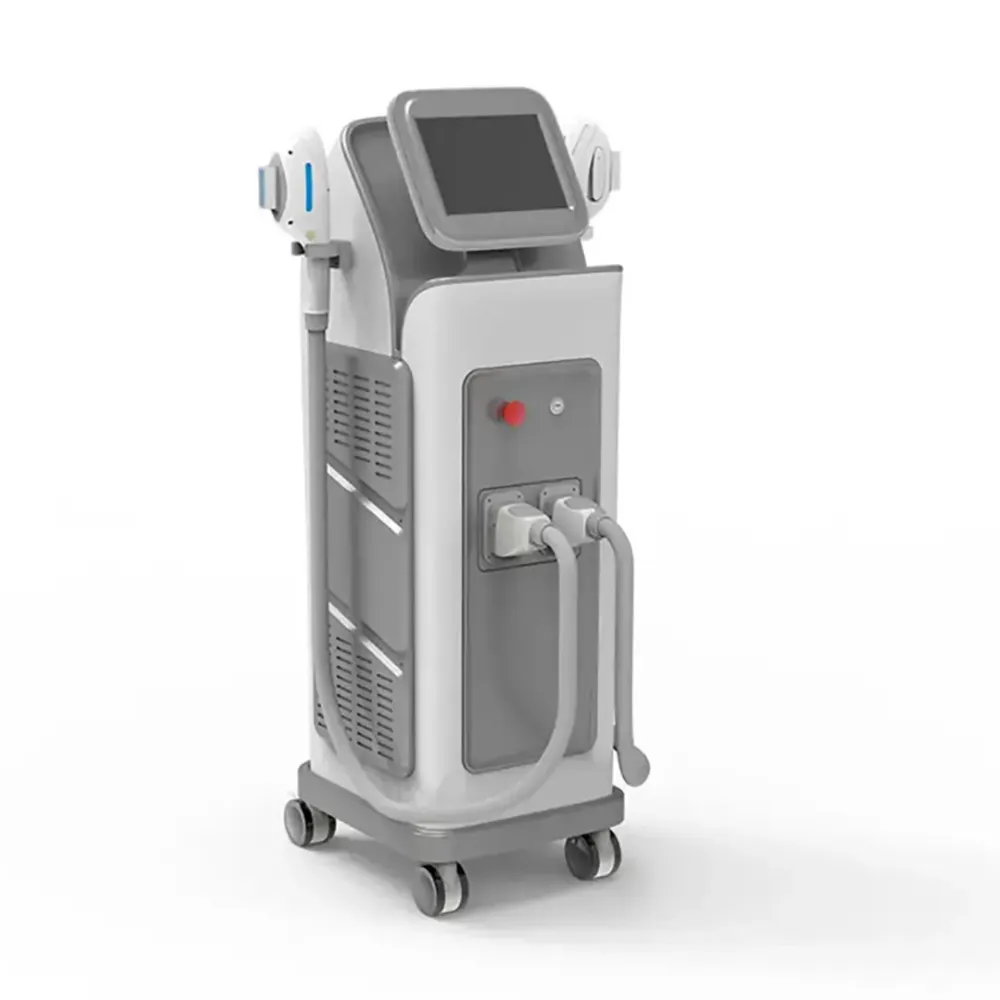
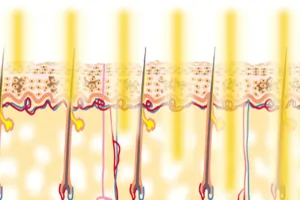
The central IPL vs electrolysis difference is how energy reaches the hair root. IPL hair removal relies on pigment absorbing light and turning it into heat. Electrolysis hair removal delivers electrical energy through a fine probe placed in the hair follicle’s natural opening.
| Factor | IPL | Electrolysis |
|---|---|---|
| Energy delivery | Filtered light through an applicator | Electrical current through a fine probe |
| Coverage | A patch of skin per application | One follicle at a time |
| Hair pigment | Important to treatment response | Not required to target the follicle |
| Main goal | Reduce hair regrowth | Permanently remove successfully treated hairs |
| Light or white hairs | Generally poor candidates | Can be treated regardless of colour |
| Practical constraint | Hair and skin must suit the exact device | Individual treatment adds time across dense areas |
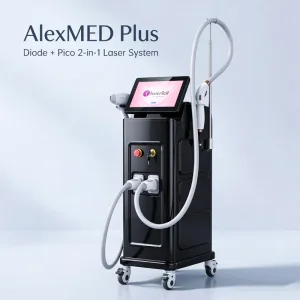
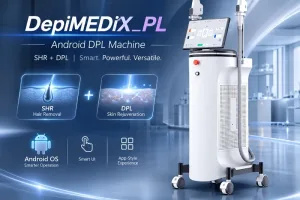
For clinic equipment research, explore LaserTell’s IPL systems as a starting catalog. Confirm the exact model’s intended use and patient eligibility before choosing it.
IPL means intense pulsed light. As DermNet explains, it emits multiple wavelengths that filters can narrow. A laser uses a specific wavelength; evidence or instructions for one technology should not be carried across to the other.
Electrolysis has three main methods. Galvanic treatment produces a chemical reaction, thermolysis produces heat, and the blend combines both. The American Electrology Association describes these methods and notes that deeply rooted, coarse hairs may require more than one treatment.
That makes IPL vs electrolysis a choice between different ways of targeting hair, rather than a contest of machine power. A larger treatment window helps coverage only when the hair is an appropriate target.
For hair colour, the IPL vs electrolysis distinction is simple: IPL hair removal needs a dark pigment target. White and grey hairs lack enough of that target, while very light blond hair generally responds poorly. Red hair also needs careful assessment rather than a promise based on its visible colour alone.
For those hairs, electrolysis hair removal offers a different route. The probe works without relying on dark pigment. The American Academy of Dermatology’s hair-removal guidance identifies electrolysis as an option for permanent hair removal across hair colours. Permanent hair removal still takes a course of treatment; it does not mean every hair disappears in one visit.
Fictional example: Alex’s mixed chin hairs. Alex notices a patch of dark chin hairs and several white ones. They initially ask for one treatment to address everything, then bring that specific concern to a consultation. The practitioner separates the two targets and discusses whether the dark hairs suit light treatment and whether the white hairs suit electrolysis. Alex leaves with answers for both groups, instead of buying a package that assumes all hair behaves alike.
Skin also contains pigment. IPL treatment therefore needs a suitable balance between heating the hair target and limiting unwanted heating in skin. A recent tan can change the risk. Tell the provider about sun exposure before treatment.
Don’t decide eligibility from an online skin chart alone. Check the device instructions, skin health, and hair thickness with a trained provider. Electrolysis can work across skin tones. However, it can still cause changes in skin colour, scars, or infection.
Facial hair deserves particular care when it is fine, newly appearing, or changing quickly. Discuss medical history and any concern about hormones with a qualified healthcare professional. Hair treatment does not diagnose or correct an underlying hormonal condition, and a permanent hair removal plan cannot promise that no new unwanted hairs will ever appear.
In an IPL vs electrolysis consultation, ask the provider to define the result they are quoting. Less regrowth, fewer shaving days, and removal of a particular white hair are different outcomes. They should not all be sold under one vague promise of being hair free forever.
IPL hair removal aims to reduce regrowth in suitable dark hairs. Repeat visits are needed. Ask the provider whether later follow-up work is likely for your case. Results depend on the device, the treated area, the hair, and the treatment plan.
Electrolysis hair removal can provide permanent hair removal when treatment destroys the cells that make a hair grow. However, hairs grow at different times, and some require repeated work. Seeing hair later does not prove that a destroyed follicle has grown back. Other follicles may produce the hairs you now see.
Ask how the provider will track results in your IPL vs electrolysis plan:
These questions make permanent hair removal goals clearer than before-and-after pictures alone.
A broad IPL handpiece covers skin without placing a probe into each hair follicle. Electrolysis takes work on each hair. More hairs and larger areas mean more treatment time. Neither fact tells you how many visits you will need.
Cleveland Clinic’s electrolysis overview gives appointments of 15 minutes to an hour and notes that a course can extend to a year and a half. Those are general examples from its 2021 guide. Your plan may differ. Ask for an estimate based on your actual area and hair pattern.
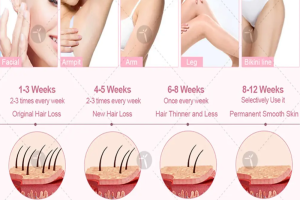
IPL vs electrolysis schedules also differ because treatment timing depends on the method and the hair being treated. Follow the plan for your device and provider. A consumer handset’s weekly routine should not become the operating schedule for a professional clinic system.
The IPL vs electrolysis cost question needs more than a cheap price per visit. IPL hair removal may be priced by body area; electrolysis hair removal may be priced by minutes. A few scattered hairs and dense leg hair are different jobs.
For an IPL vs electrolysis quote, ask the provider to put these details in writing:
A cheap course aimed at unsuitable hairs is poor value even if every appointment is fast.
Fictional example: Sam compares two quotes. Sam receives an area-based quote for IPL and a time-based quote for electrolysis. They first compare the headline prices, then realize that neither shows the expected course total. Sam asks both providers to describe the exact area, review process, and likely additional visits. The result is a pair of clearer estimates with their assumptions visible, rather than a premature decision that one method is cheaper for every person.
For clinics, budget for staff time, training, cleaning, supplies, upkeep, and time when equipment is out of use. Ask whether lamp or handpiece replacement applies to the proposed IPL model. Check which costs apply to the model you are considering.
IPL can feel hot or like a snap against the skin. Electrolysis may cause brief heat, stinging, or pinching. Body area, settings, time, and your pain threshold affect comfort; neither method deserves a blanket painless claim.
For IPL hair removal, discuss burns, blisters, changes in skin colour, and the right eye protection. For electrolysis hair removal, ask about sterile probes, clean working methods, skin reactions, and the risk of scars or infection. Before treatment, tell the practitioner about past skin reactions, medicines, and medical devices in your body.
Get written preparation and aftercare instructions. Ask which symptoms require a call and whom to contact if a reaction worsens. Do not accept severe pain or visible skin injury as proof that permanent hair removal is working.
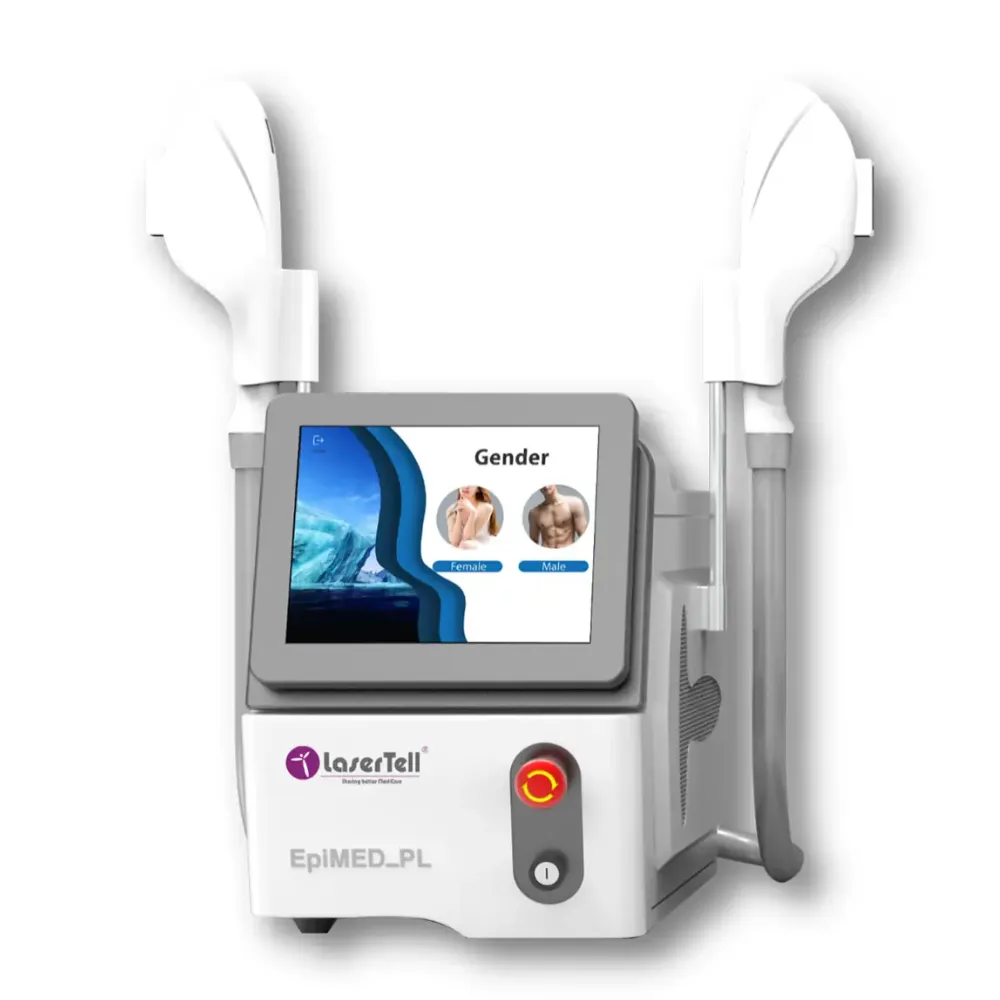
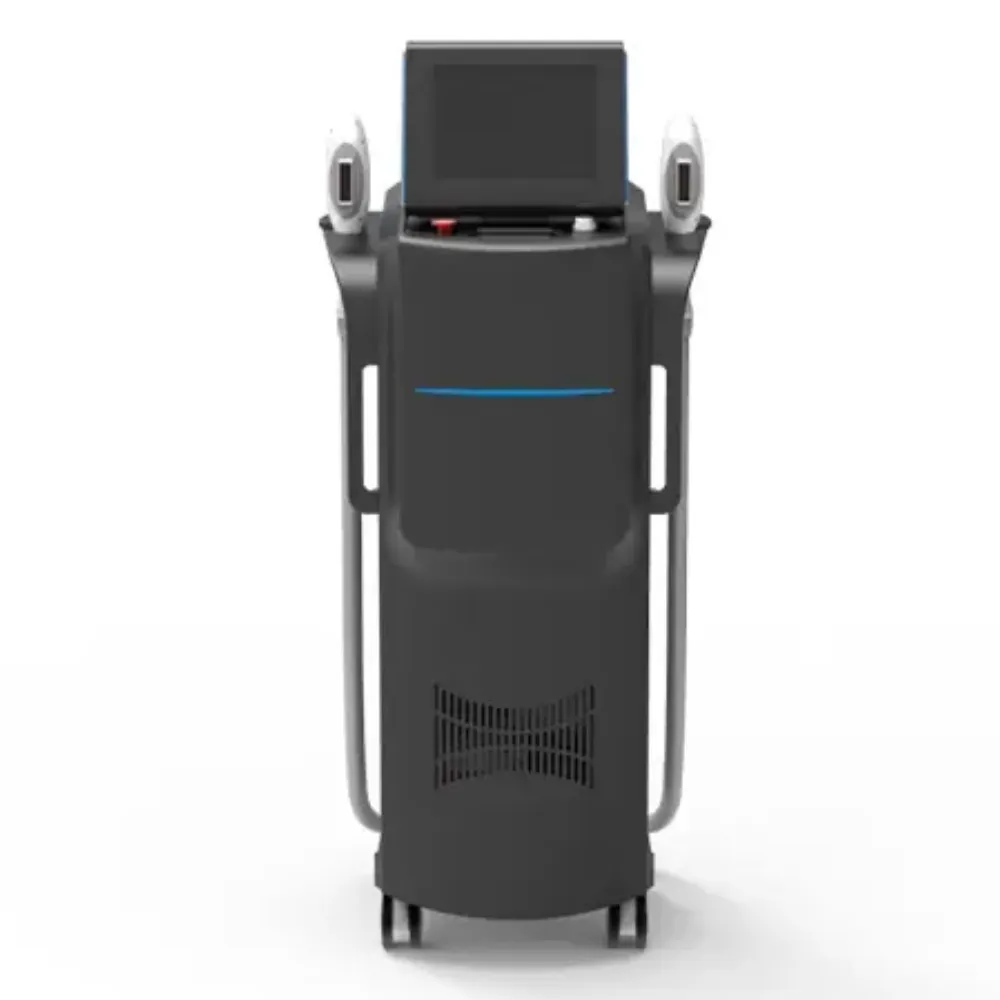
For a clinic, IPL vs electrolysis begins with the patients you expect to serve. IPL hair removal for suitable dark leg hair has different needs from electrolysis hair removal for a few white chin hairs. Appointment capacity matters, but it cannot make an unsuitable hair target suitable.
Review patient hair colours, skin tones, requested areas, and current referral reasons. Then check staff training, local rules, who must oversee treatment, and the time each service needs. A referral to an electrologist can help when your equipment does not suit the hair.
LaserTell also lists diode laser hair-removal systems, a separate category from IPL. Compare each proposed platform on its own intended use and evidence. The two categories do not share one set of results, patient limits, or required documents.
Use a short equipment checklist before placing an order:
For engineering context, review LaserTell’s R&D information, then raise questions about the particular platform under discussion. A company overview cannot prove a model’s results or permission for sale in your market.
Fictional example: Morgan plans a clinic service. Morgan wants to add hair reduction and starts with a list of common patient requests. That list includes dark leg hair and isolated grey chin hairs, so they avoid assuming one device will cover both needs. Morgan requests documentation for a proposed IPL model and separately considers a trained electrologist referral. Their purchasing brief now names the intended patients, the equipment questions, and the service gaps to resolve before ordering.
Neither is better for every person. IPL hair removal can suit larger areas of appropriate pigmented hair, while electrolysis can address individual hairs regardless of colour. Resolve IPL vs electrolysis by matching the method to the hair, then comparing time, risk, and course cost.
Electrolysis is the relevant option to discuss for white or grey hairs because it does not depend on pigment. IPL generally lacks a useful target in these hairs. Ask a trained electrologist about the practical course for your treatment area.
No. Facial treatment depends on the exact device, its permitted areas, skin and hair characteristics, and the individual’s history. Fine or changing facial hair needs careful assessment. Do not assume that a handset suitable for legs is suitable everywhere on the face.
A practitioner may consider electrolysis for hairs left after light treatment, including hairs that lack enough pigment to respond. Discuss the skin’s recovery, previous reactions, and preparation needs first. The right gap between visits depends on your IPL vs electrolysis plan.
IPL vs electrolysis costs depend on area, hair density, visits, pricing method, and how well treatment works. Compare written whole-course estimates, not an hourly rate against an area price. Include possible follow-up work when planning a permanent hair removal budget.
A useful comparison starts with the hairs you want treated and the result you want to achieve. IPL uses light to reduce suitable pigmented hair across an area. Electrolysis treats one follicle at a time and can offer permanent hair removal for hairs that light does not target well.
Next, consider the whole course. Ask about likely appointment time, how progress will be measured, and what follow-up may cost. Both methods need a practitioner who understands patient selection, technique, risk, and aftercare. A permanent result for one follicle does not mean that no new unwanted hair will ever appear.
For clinics, that translates into a practical service plan: define the patient mix, verify the exact equipment, budget for staff and upkeep, and keep a referral route for needs outside your scope. Buying equipment should follow that assessment.
When you’re ready to compare IPL vs electrolysis for your clinic’s service needs, request model-specific specifications from LaserTell. Include your intended market, patient profile, and treatment areas so the enquiry starts with the right questions.


 21Nov
 19Nov
 18Nov
 18Nov