IPL Wavelengths: A Guide to Ranges and Cutoff Filters
IPL wavelengths form a broad, filtered band of light rather than one laser wavelength. Descriptions commonly span roughly 400 or 500 to 1,200 nm, but...

IPL can produce long-term hair reduction, but it does not guarantee that every hair will disappear forever. If you’re asking, “Is IPL permanent hair removal?”, the useful distinction is between fewer hairs over time and a lifetime without regrowth or maintenance.
A promise of “forever” can still leave you planning touch-ups. That’s frustrating when you bought a device, or booked a treatment course, expecting to stop thinking about hair removal altogether. The word permanent needs an explanation before it becomes a buying decision.
Intense pulsed light (IPL) uses flashes of light to target pigment in hair. Outcomes depend on the device, the treated area, your hair and skin, and the treatment plan. A smooth period after treatment tells you something about the result so far; it cannot establish what will happen for life.
This guide explains the evidence behind permanent hair reduction, why regrowth happens, and how IPL compares with laser treatment and electrolysis. For practitioners, it also offers a practical way to discuss results without promising more than the evidence supports.
Key Takeaways
- Permanent hair reduction means a sustained decrease in regrowing hairs, rather than guaranteed removal of every hair.
- A 2022 systematic review found long-term IPL reduction in included studies, with outcomes differing by body site.
- Home IPL instructions may require maintenance; a continued-use claim does not prove the same result after stopping.
- Laser treatment can also involve maintenance, while electrolysis can permanently remove treated hairs over multiple sessions.
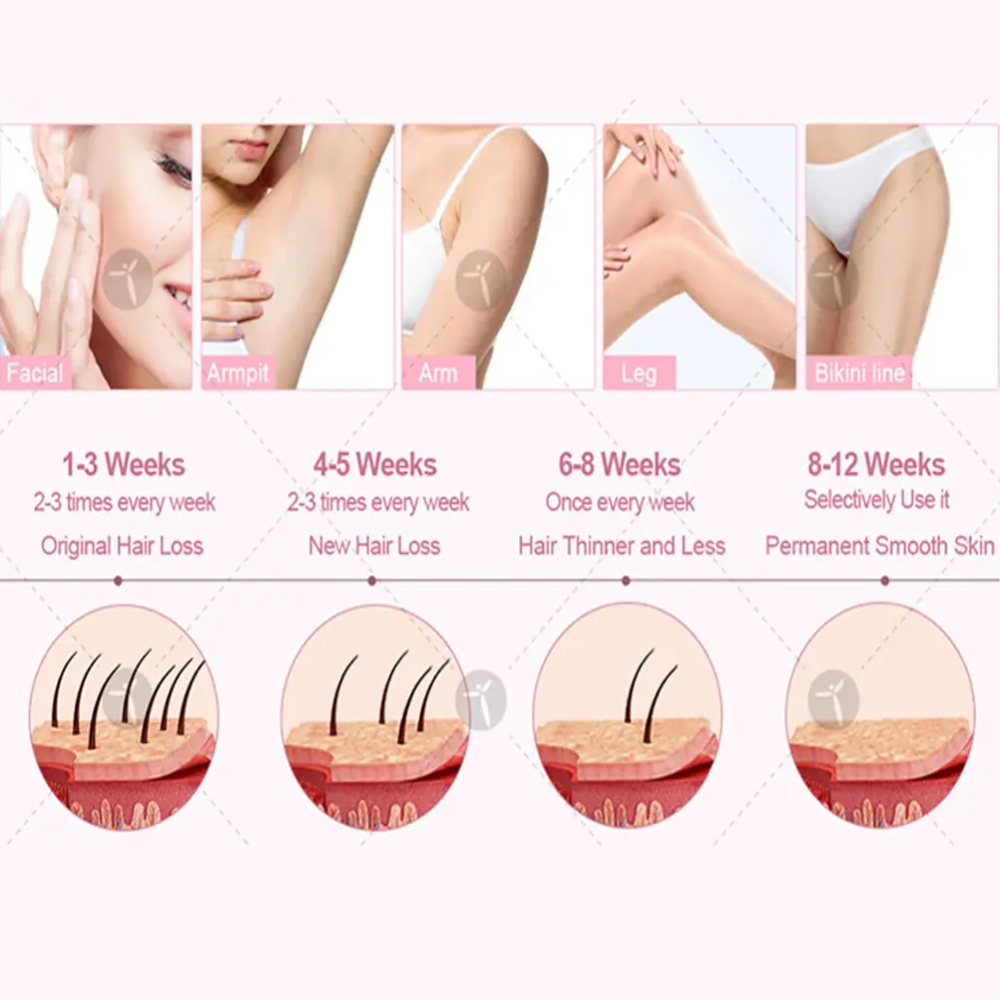
Permanent hair reduction means fewer hairs regrow over a long follow-up period. It does not mean an area is guaranteed to stay completely hair-free for life. When assessing IPL, ask whether a claim describes reduced hair counts, a temporary smooth interval, or results maintained through continued treatment.
A useful example appears in the FDA record for IPL system F60001. It defines permanent hair reduction as a long-term, stable decrease in regrowing hairs, measured six, nine, and 12 months after completing a treatment regimen.
Those are follow-up checks, not instructions for when you should book maintenance. The document concerns that specific device; it does not establish clearance or results for another manufacturer’s equipment.
| Wording | What it describes | What to check |
|---|---|---|
| Hair-free interval | A period with little or no visible hair | How long the person was observed |
| Long-term reduction | Fewer regrowing hairs over follow-up | Hair counts, body site, and follow-up duration |
| Maintained smoothness | Results during an ongoing routine | Whether touch-ups were included |
| Permanent hair removal | Lasting removal of treated hairs | Which method and evidence support the claim |
For a professional equipment shortlist, explore LaserTell’s IPL systems and request evidence for the specific model under consideration.
Fictional example: Alex’s result check
Alex finishes an initial home-use course in May and notices a smoother lower leg. They assume that means no future treatment. Before discarding the instructions, they check whether the advertised result included touch-ups and start recording regrowth. Alex asks the supplier what was measured after treatment stopped, rather than treating a smooth leg as proof of a lifelong result.
There isn’t one reliable duration for everyone. A useful answer needs to identify the device, body area, treatment course, and whether maintenance continued. “Long-lasting” is incomplete when those details are missing.
A 2022 systematic review by Krasniqi and colleagues found only five trials that met its criteria. These involved 223 people across laser and light-based treatments. The total was not an IPL-only group. Each trial had to track results for at least one full hair-growth cycle at the site being treated.
The IPL studies reported average long-term hair reductions of 27% to 52.7%. The lowest was for facial hair and the highest for underarm hair. These are the findings from those studies. They do not predict results for your skin, a home handset, or a LaserTell system.
The review shows that lasting reduction is possible. It does not prove that every hair is gone for life. With so few trials, we cannot make broad claims. Nor can results from different body sites prove which device will work best for you.
A claim measured while someone keeps using a device answers a different question from a study after treatment ends. Both can be useful, provided the conditions are clear. Ask when the last treatment occurred relative to the reported result.
For home use, Philips’ Lumea guidance explicitly describes long-term reduction and the need for maintenance. That is guidance for its listed products, rather than a universal schedule for every IPL device.
If you’re comparing packages, request the initial course and the ongoing routine separately. A headline showing months of smoothness should explain whether treatment continued during those months. This helps you judge the time you may need and what the claim means.
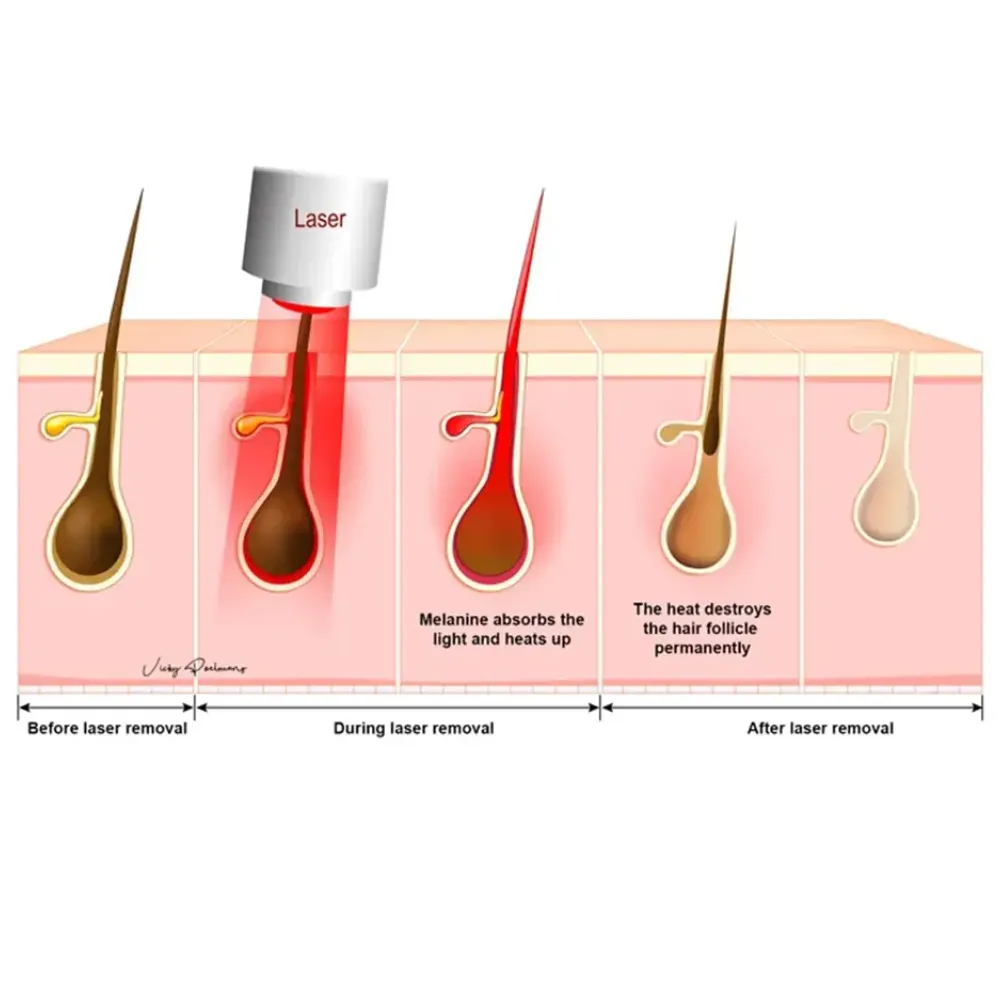
Regrowth can reflect hair-growth cycles, incomplete response, or changes in hair growth over time. It doesn’t automatically mean that IPL had no effect. Equally, early shedding doesn’t prove that all future growth has stopped.
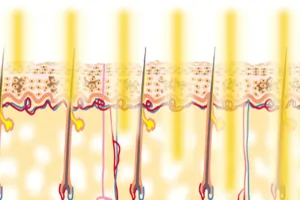
IPL light becomes heat when pigment absorbs it. Treatment targets growing hairs, but follicles across an area do not all reach the active phase together. That is one reason a course involves repeat treatments rather than a single flash over each area.
Hairs that were not reached by treatment can become visible later. Comparing the same area over time is more useful than judging an isolated hair or checking immediately after a shave. Keep the timing of photographs and hair removal consistent enough to make comparisons meaningful.
The method needs pigment to act as a target. Check which hair colors and skin tones the exact device supports. Skin pigment can also absorb light and heat, so follow the skin-tone limits in that device’s instructions.
Don’t transfer a result from one body site to another. The review’s different facial and underarm findings illustrate why a single percentage cannot describe every area. A clinician should assess your own pattern of growth and treatment options.
New or increasing facial hair can have causes that light treatment alone does not address. A sudden change deserves medical advice instead of a stronger setting or extra sessions. Hair removal and evaluation of the cause are separate decisions.
Fictional example: Sam’s facial-hair question
Sam has been following a device’s routine for several months when they notice new chin hairs. They consider doubling treatment frequency, then check the instructions and arrange a dermatology assessment instead. The outcome is a check of why the hair is growing and whether the device suits Sam. They avoid making up their own treatment plan.
Sam avoids interpreting every new hair as proof that they need more light energy.
IPL and laser treatment both use light, but IPL is not a laser. Electrolysis uses electrical energy to treat follicles individually. The right comparison starts with your hair, skin, treatment area, and goals.
| Method | How it works | Realistic durability discussion |
|---|---|---|
| IPL | Broad-spectrum pulses target pigment | Long-term reduction is possible; regrowth and maintenance must be discussed |
| Laser | Selected laser wavelengths target pigment | Lasting reduction or removal may occur; individual results and maintenance vary |
| Electrolysis | Electrical current treats individual follicles | Can permanently remove treated hairs; multiple sessions are required |
The American Academy of Dermatology’s laser FAQ explains that results vary. Some patients need touch-ups.
Many stay hair-free for months or years; hairs that grow back tend to be less obvious. These are findings about laser treatment, not an IPL timetable.
Laser treatment can permanently damage follicles. However, a general claim about the technology cannot predict every person’s future hair growth. A consultation should cover the exact device, operator experience, skin tone, body site, and likely follow-up.
The AAD’s guide to unwanted-hair removal explains that electrolysis can permanently remove hair, including light-colored hair. Because follicles are treated individually and hair grows in cycles, a course requires multiple sessions.
That makes electrolysis a relevant option when light-based treatment is unsuitable or when remaining hairs lack enough pigment. Operator skill still matters. Poor technique can cause infection, burns, or scars. Discuss treatment burden and suitability with a qualified practitioner.
For clinic equipment comparisons, review LaserTell’s diode laser systems alongside the intended patient population and model-specific evidence. A product category alone cannot establish which option will deliver the best outcome for a given patient.
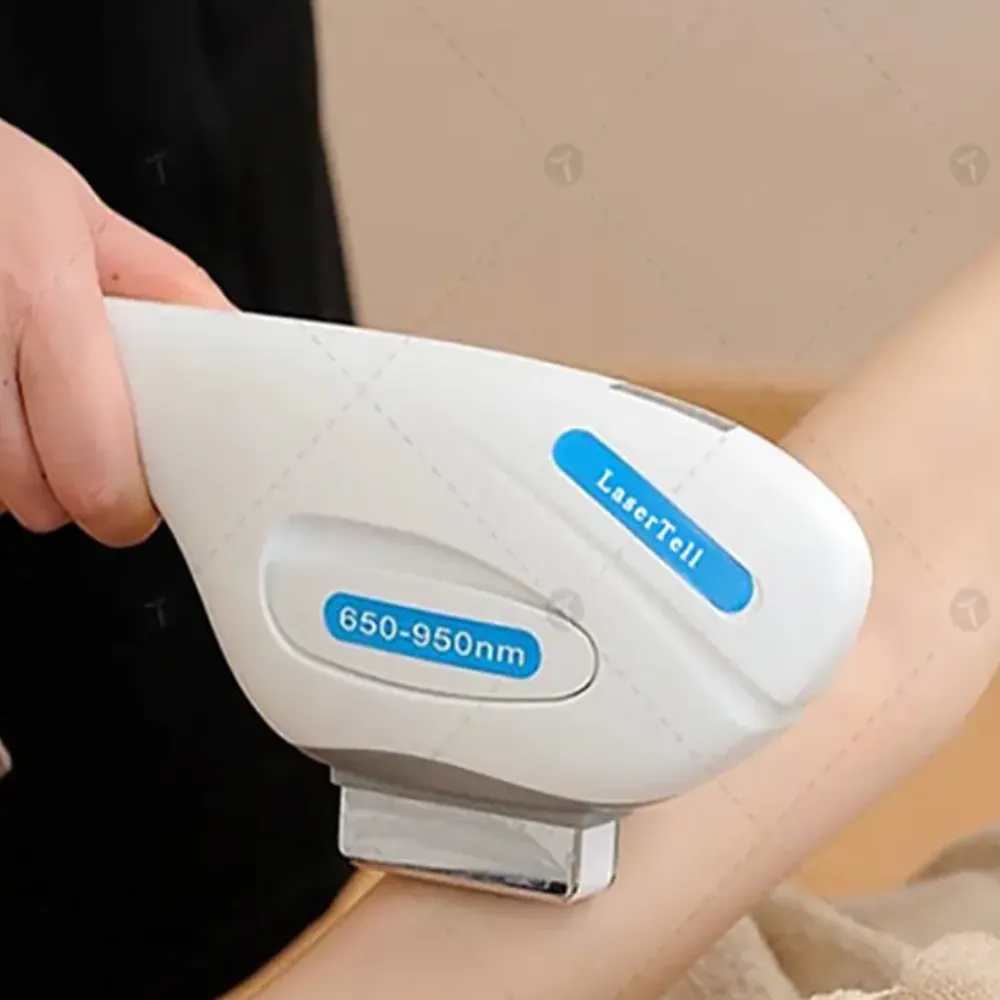
Start with the device instructions and, for treatment at a clinic, a plan based on your own needs. No single maintenance interval applies to every IPL model or body area. An online article cannot replace that assessment.
Choose a meaningful goal before starting: fewer visible hairs, less frequent shaving, or reduced regrowth in a defined area. Those goals are easier to assess than an undefined promise of permanent smoothness. Record what matters to you and review it at agreed points.
A simple record can include:
Don’t increase frequency or energy to chase a deadline. Follow the model’s instructions and seek advice about a poor response. Stop and seek medical assessment for concerning reactions such as blistering, marked pain, or persistent skin-colour changes.
A practical consultation should explain the expected course, the limits of prediction, and how maintenance will be handled. Patients should know whether touch-ups are included in a package or charged separately. Written terms help distinguish a discussion of results from a sales promise.
For a clinic buying equipment, ask for the exact model’s instructions and the research behind its claims. Check which uses, skin tones, and hair types it covers. Confirm market-specific documentation rather than relying on a company logo or a certificate image. LaserTell’s equipment purchasing FAQ is a starting point for supplier questions.
Fictional example: Morgan’s clinic wording
Morgan manages a clinic preparing a new hair-removal information sheet. The first draft promises “permanent hair-free skin” after a fixed package. Before using it, they replace the guarantee with an explanation of reduction, possible regrowth, assessment, and maintenance costs.
They also ask which research applies to the proposed device. The outcome is clear patient information, with no promise that every course will end the same way.
Yes, hair can grow back after IPL, even when treatment has reduced overall growth. Regrowth may be less noticeable, but individual outcomes vary. Assess the pattern over time rather than assuming that one returning hair means the entire course failed.
Hair may become more visible again after you stop, particularly when the device’s routine calls for ongoing touch-ups. There isn’t one proven timetable for everyone. Check what the manufacturer measured after the last treatment, and distinguish that evidence from claims based on ongoing use.
No fixed session count guarantees lifelong removal of every hair. Treatment courses address hair at different growth stages, and response varies. Ask the provider for the proposed course, review points, and maintenance expectations; avoid choosing a package solely because it promises a permanent result by a particular session.
You cannot assume home and clinic IPL last equally long. These devices differ in how they are used. A fair comparison needs suitable studies.
People still respond in different ways with clinic equipment. It cannot guarantee that you will never need touch-ups.
IPL may reduce suitable pigmented facial hair. That does not mean the cause of new growth has been treated. Ask a clinician to assess facial hair that may be linked to hormones. Use only a device and facial area permitted by its instructions, and seek medical advice for sudden or increasing unwanted hair.
IPL can be useful when your goal is lasting hair reduction and you accept that results vary. The strongest decision starts with a suitable device, a defined treatment area, and an honest discussion of follow-up. Smooth skin today and a proven lifetime result are different observations.
Before booking or buying, ask what the claim measures, when it was assessed, and whether maintenance continued. Check that the evidence concerns a comparable device, hair and skin profile, and body site. If complete removal of remaining light hairs is your priority, discuss electrolysis as well.
For clinics and distributors, a realistic explanation is part of choosing equipment responsibly. Request model-specific specifications and documentation from LaserTell, including the proposed market, treatment purpose, and evidence you need to assess.
So, is IPL permanent hair removal? It can deliver sustained reduction, but it cannot promise every reader a lifetime without regrowth. Choose a treatment plan that explains its evidence, limits, and maintenance clearly before you commit.



 21Nov
 20Nov
 18Nov
 18Nov