IPL vs Electrolysis: Which Hair Removal Fits Your Needs?
IPL treats patches of pigmented hair with light to reduce regrowth; electrolysis treats individual follicles and can permanently remove hair of any colour. The IPL...

IPL wavelengths form a broad, filtered band of light rather than one laser wavelength. Descriptions commonly span roughly 400 or 500 to 1,200 nm, but the delivered band depends on the device and its filters.
A label such as “560 nm” tells you only part of the story. It may mark where a filter begins to pass light, leaving the upper edge unstated. If you’re comparing clinic equipment, that missing detail can make two different systems look alike.
The confusion is understandable: listings often place source ranges, filter labels, and treatment names in the same column. This guide separates those terms so you can read an IPL wavelength range, understand cutoff filters, and ask useful questions before choosing equipment. It also explains why skin assessment, pulse timing, and cooling matter alongside the spectrum.
This explanation of IPL wavelengths draws on published dermatology literature, DermNet’s patient information, and an attributed manufacturer overview. The examples describe optical concepts and purchasing decisions; they don’t provide treatment settings or establish suitability for a particular patient.
Key Takeaways
- A 560 nm cutoff label describes a lower spectral edge, not a single emitted wavelength.
- Published IPL descriptions include 400–1,200 nm and 500–1,200 nm; neither range specifies every device.
- Melanin and hemoglobin absorb light, so hair, skin pigment, and blood vessels can compete for energy.
- Matching filter labels don’t establish matching output, treatment settings, or patient suitability.
- Compare the full transmitted band, pulse controls, cooling, and model-specific instructions before buying.
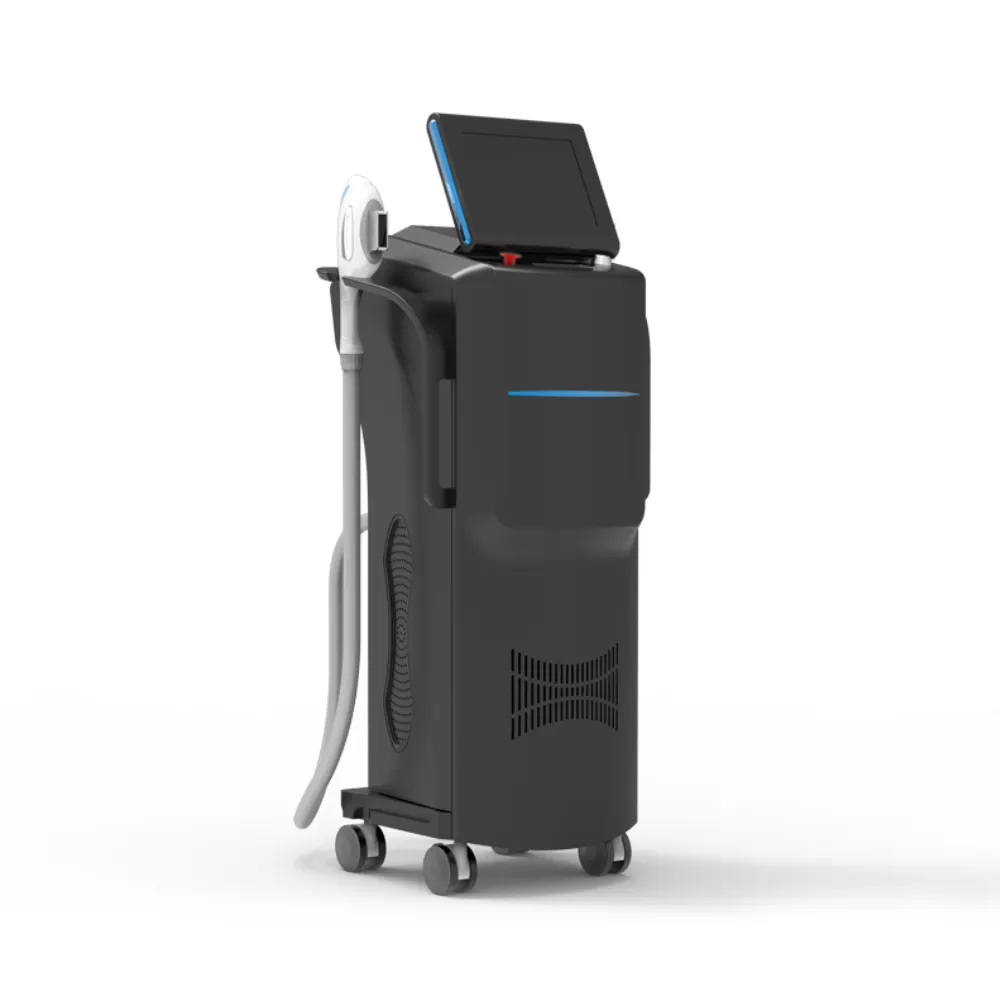
Intense pulsed light, or IPL, usually uses a xenon flashlamp to produce many wavelengths at once. A nanometer, abbreviated nm, measures wavelength. The output is noncoherent: its waves don’t stay in step as laser light does.
Think of IPL wavelengths as a band that the optical system shapes. The source produces light, and the filters limit which parts reach the treatment window. The IPL wavelengths at the lamp can differ from those at the skin. Ask which output the numbers describe.
Lumenis’s IPL technology overview describes a broad 400–1,200 nm range. David Goldberg’s 2012 review of IPL technology describes typical output of 500–1,200 nm and explains the use of cutoff filters. The sources describe IPL wavelengths in different ways. Neither gives one range that is right for every device.
For a purchase decision, ask which IPL wavelength range applies to the exact handpiece and filter in the quote. A general guide to IPL wavelengths can’t replace that answer. You also need to know whether the IPL wavelength range describes the lamp, a treatment mode, or output measured at the window. Check that the IPL wavelength range belongs to the quoted part.
To connect the spectrum with hair pigment and follicle heating, explore how IPL hair removal works.
A long-pass cutoff filter reduces shorter wavelengths while allowing a longer-wavelength band to pass. Its label usually marks the lower edge. For IPL wavelengths above that edge, the label alone can’t tell you where output ends or how the energy is spread.
Goldberg’s review lists the following cutoff examples among others. This table explains IPL wavelengths and filter labels; it isn’t a treatment-selection chart or a specification for LaserTell equipment.
| Cutoff label in the review | What the label indicates | What still needs confirmation |
|---|---|---|
| 515 nm | Lower edge of a longer-wavelength band | Upper limit and actual transmitted output |
| 560 nm | Shorter wavelengths are reduced below this edge | Remaining band and compatible handpiece |
| 590 nm | A higher lower edge than 560 nm | Pulse delivery and intended application |
| 645 nm | A higher lower edge than 590 nm | Complete spectrum and device instructions |
| 755 nm | A lower cutoff, not a monochromatic laser output | Model-specific band and patient limitations |
For example, if a device’s documentation specifies 560–1,200 nm, “560 nm” can be shorthand for that band. You can’t fill in 1,200 nm merely because another manufacturer’s system uses that upper limit. IPL wavelengths need both endpoints to describe the nominal range.
Bandpass IPL filters limit a window between lower and upper edges. Long-pass IPL filters mainly set a lower edge within the light the system can deliver. Real IPL filters pass some wavelengths more than others. A simple IPL wavelength range doesn’t show how much light passes at each point.
When comparing IPL filters, request the full band and the filter’s intended configuration. A narrower band changes the IPL wavelengths that pass. That alone doesn’t prove better results or make the light a laser.
Fictional example: Alex checks two quotes. Alex, a clinic buyer, receives two offers marked “560 nm” during a Monday equipment review. One includes a full band and handpiece reference; the other gives only the filter label. Instead of assuming the IPL wavelengths match, Alex asks the second supplier for the missing details, then compares the two quoted setups. The outcome is a clearer comparison, not evidence that either system treats patients better.
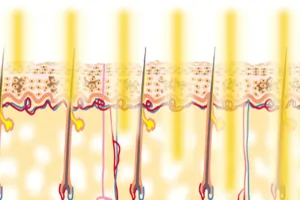
A chromophore is a part of tissue that takes up light. In aesthetic IPL, two important examples are melanin, the pigment in hair and skin, and hemoglobin in blood. IPL wavelengths affect how much light a target absorbs. Results also depend on how much energy reaches it and how the device sends the pulse.
An IPL hair removal wavelength band aims to heat hair structures that contain pigment. Dark, coarse hair generally offers more pigment to absorb the light than pale hair. Changing IPL filters doesn’t add pigment where it is absent or too limited to serve as a useful target.
Skin melanin can absorb light too. That makes the skin’s outer layer, the epidermis, a competing target. For an IPL hair removal wavelength choice, assess the skin as well as the hair. Both can take up the light.
The same principle matters when someone asks which IPL wavelengths treat brown spots. The clinician first needs to know what the mark is and whether light is a suitable way to treat it. A treatment name on IPL filters can’t answer that question.
Hemoglobin absorbs parts of the spectrum differently from melanin. Filters can shape the band for a vascular application, but a red appearance alone doesn’t identify the correct device or settings. The target’s size and site, nearby skin, and the device’s guide still matter.
The key point: IPL wavelengths affect which targets absorb light, but they don’t isolate one target perfectly. IPL filters don’t send all the light solely into hair, brown spots, or blood vessels. A broader IPL wavelength range isn’t proof of better results.
Fictional example: Sam reviews a handpiece change. Sam coordinates training for a clinic moving between two IPL platforms, both with a filter marked “590 nm.” The old quick-reference sheet looks familiar, but the new system has different pulse controls and cooling instructions. Sam asks the trainer to use the new manual rather than copy the old settings, so the team keeps its device records separate. Matching labels don’t show what results a patient will get.
Once you understand IPL wavelengths, check how the device sends that light to the skin. A list of IPL wavelengths gives only part of the picture. It can’t, on its own, show how fast a treatment will be, how it will feel, or how long results may last.
Use the same questions for every supplier, and keep the answers attached to the exact model and handpiece:
Those answers help prevent an IPL hair removal wavelength comparison from becoming a contest between isolated numbers. Two systems can list the same IPL wavelength range yet need different steps for use. Don’t swap parts or copy settings just because the IPL filters have similar labels.
Our IPL machine selection guide places these optical questions within a broader equipment review, including the quoted package and support terms.
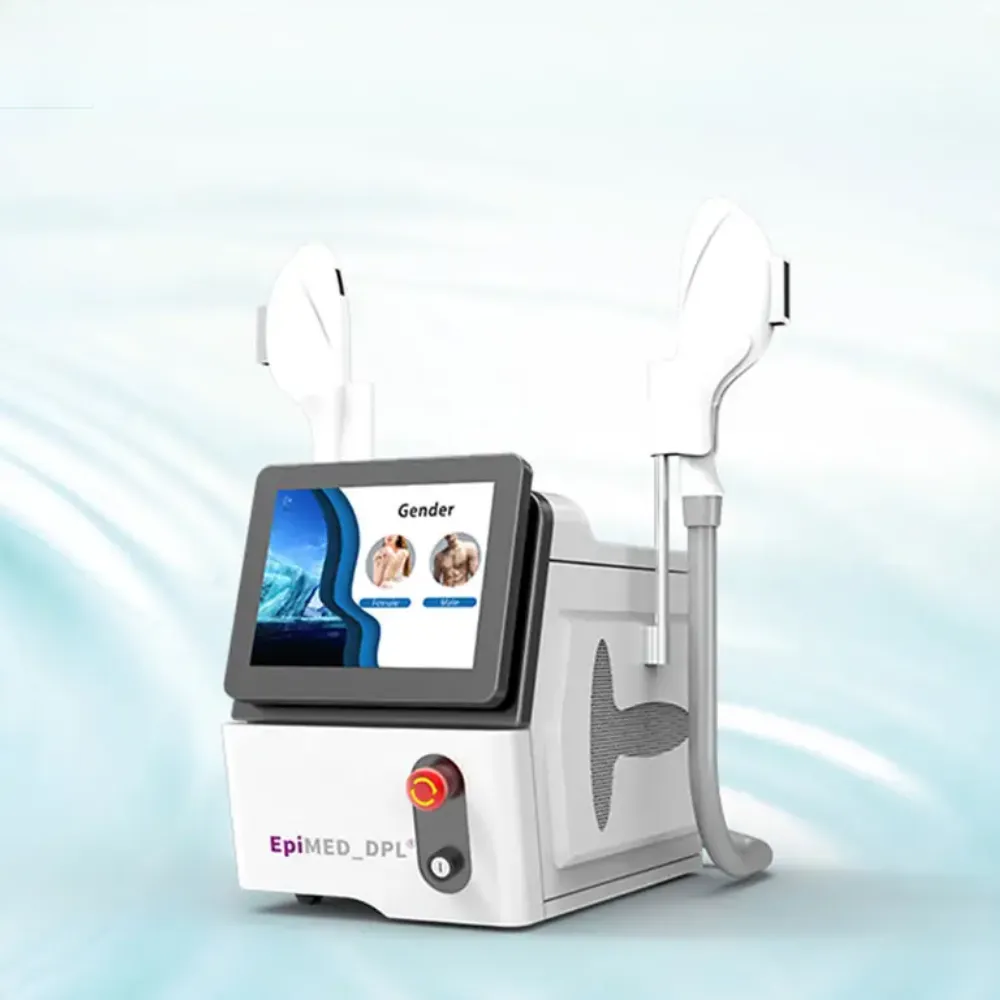
For equipment options, review LaserTell’s IPL catalog and identify the specific model before asking which IPL filters it uses and what light they pass. A category page doesn’t mean that all its models use the same IPL wavelengths or have the same uses.
A table of IPL wavelengths can’t clear a person for treatment. A trained practitioner needs to assess skin, hair, the concern being treated, and health history, using the device’s own guide. Recent sun exposure or a tan can change that choice, even when the person’s usual skin type is known.
DermNet’s IPL information describes filters, light-absorbing targets, and possible adverse effects. It advises medical assessment, trained providers, sun precautions, and eye protection during treatment. Reported risks include blistering, darker or lighter patches, and scarring.
Before choosing an IPL hair removal wavelength band, check these points:
For more detail on possible reactions, see our IPL side effects and safety guide.
Fictional example: Morgan checks a changed circumstance. Morgan booked a consultation after reading about an IPL hair removal wavelength band online, then returned from a sunny holiday before the appointment. The filter label hadn’t changed, but Morgan’s recent sun exposure had. Morgan tells the practitioner rather than treating the online chart as clearance, allowing the practitioner to reassess suitability before any treatment decision. The useful outcome is a fresh assessment, not a promised risk-free session.
IPL uses multiple wavelengths within a filtered band. Sources describe broad ranges such as 400–1,200 nm or 500–1,200 nm, but the actual IPL wavelength range depends on the system. Confirm the delivered spectrum for the exact handpiece, filter, and mode instead of treating a general range as its specification.
No. A 560 nm cutoff usually marks the lower edge of a transmitted band. It doesn’t specify a single emitted wavelength or the upper boundary. To interpret the IPL wavelengths, read the complete band and the manufacturer’s filter description.
There is no universal best IPL hair removal wavelength for every person and device. The clinician must consider the transmitted band, hair pigment, skin, and the system’s instructions. A larger filter number or a wider range doesn’t establish better results, and filtering cannot guarantee a response from pale hair.
No. A higher cutoff changes the band, but skin can still absorb light and get too hot. IPL filters must be considered with pulse delivery, cooling, skin assessment, and model-specific limits. Never use a generic wavelength table as permission to treat outside those limits.
No. Restricting the band doesn’t turn a flashlamp into a laser source. IPL remains filtered pulsed light, while a laser produces light through a different mechanism. Compare the documented output and intended use rather than assuming that similar wavelength numbers mean equivalent equipment.
Understanding IPL wavelengths starts with a simple distinction: a filter label describes part of a band, while the device determines the complete delivered output. A lower cutoff helps, but it can’t tell you where the band ends, how energy is spread, or who can be treated.
For a clinic or distributor, the next step is to compare complete documentation. Put each model’s spectrum, handpiece, pulse controls, cooling requirements, and instructions in the same review. Check that the intended application and destination-market documents belong to that configuration, rather than relying on a general category description.
For treatment decisions, keep the person’s assessment separate from the buying comparison. Hair pigment, skin condition, recent sun exposure, and medical history still need attention. No filter number guarantees comfort, permanent removal, or freedom from side effects.
To discuss equipment, request model-specific spectrum and filter details from LaserTell and state your intended application and market. Clear documentation of IPL wavelengths gives you a firmer basis for comparing systems and asking the next clinical or technical question.
 20Nov
 19Nov
 18Nov
 18Nov