Fractional CO2 Laser Machine Buying Guide for Clinics
Choose a fractional CO2 laser machine by matching your clinic’s intended uses to an exact model, its supporting documents, facility needs, and service terms. Compare...

Some diode devices have been studied in darker skin types, but those findings do not establish safety for every machine or patient. For clinics reviewing diode laser hair removal dark skin evidence, the useful question is which device, mode, population, and outcome each study actually covers.
A brochure can promise broad coverage in one line. Checking that promise takes more care, especially when a quoted study uses a different platform. This guide helps buyers compare the evidence, identify missing documents, and bring a clear file to their clinical lead before choosing equipment.
Key Takeaways
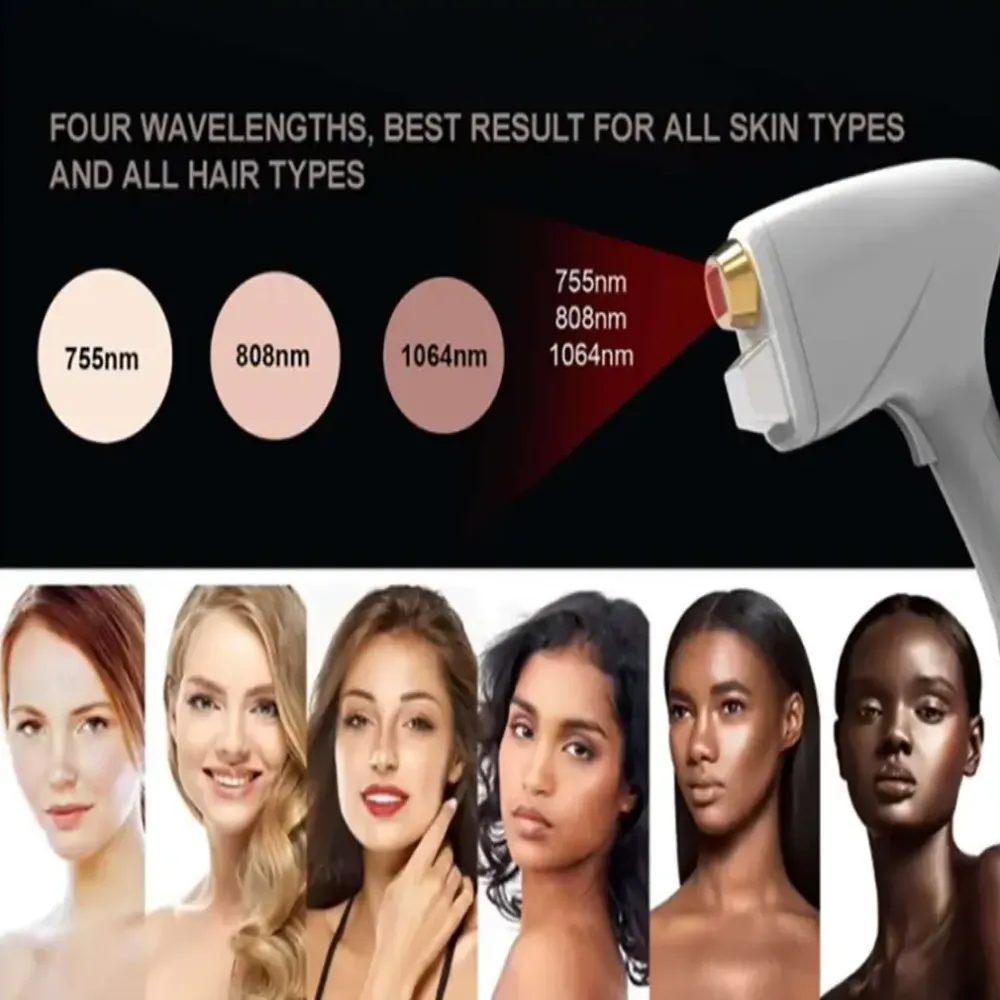
“Dark skin,” “skin of colour,” and Fitzpatrick skin types are not interchangeable labels. A paper should state who took part and how skin type was assessed. A clinic’s qualified clinician must assess the individual; a buyer should not assign a phototype from a photograph, ethnicity, or country of origin.
Start a diode laser hair removal dark skin review by separating the clinic’s intended population from the study population. Write both down. An “all skin tones” label cannot fill a gap in a trial. Keep that limit in your diode laser hair removal dark skin notes.
Before seeking quotes, prepare the intended uses and patient groups for your clinical lead to review. This gives the supplier a specific request to answer and helps the clinic spot gaps before price discussions begin.
Skin pigment can absorb laser energy as well as the target hair pigment. This creates a competing target in the skin and helps explain why device choice and clinical assessment matter. Potential harms include burns, blisters, and darker or lighter pigment changes, as discussed in DermNet’s medical overview of lasers in skin of colour.
The right diode laser hair removal dark skin question therefore goes beyond whether hair reduction occurred. Ask how the study tracked harms, for how long, and in which people. A report of no observed events cannot prove that an event is impossible.
Illustrative scenario: A buyer receives an “all skin types” brochure and a photograph of a cool handpiece. The clinical lead asks for the named model’s study and instructions for use. Until those arrive, the team marks population coverage pending; it does not infer safety from the photograph.
Home-use devices also need their own evidence and labeling. Their findings cannot simply be transferred to a professional clinic platform, or the other way around. Keep the intended setting visible in every comparison.
Agarwal and colleagues studied 71 Indian women aged 18–41 with skin types IV–VI using an Alma Soprano XLi 810nm diode in SHR mode. The single-clinic study used photographs and physician and patient rating scales, with assessment six months after the last treatment. It did not compare the system with a different laser platform.
This 2016 original study provides evidence for its stated setting, rather than all diode machines. Its ratings should not be presented as direct hair counts. Internal inconsistencies in treatment-count and pain reporting also make those particular figures unsuitable for a simple buyer-facing claim.
For diode laser hair removal dark skin purchasing decisions, the practical value is the clearly named platform and population. The paper is not a LaserTell clinical study, and matching an advertised wavelength does not make another device equivalent.
A 2022 Primelase study by Gold and colleagues compared combined-wavelength and 810nm treatment in 14 participants with types III–IV. It reported assessment six months after the final study treatment. Some authors had affiliations with the manufacturer’s clinical and scientific department.
The sample was small and did not include types V–VI. The title and abstract also differ in their long-wavelength description, so buyers should resolve the exact configuration from fuller documentation before repeating it. This guide does not use the abstract’s comparative percentage as a general superiority claim.
| Evidence | Population and platform | Useful scope | Boundary |
|---|---|---|---|
| Agarwal, 2016 | 71 women, IV–VI; Soprano XLi, 810nm SHR | Named-device experience and six-month assessment | No other-laser comparator; some reporting inconsistencies |
| Gold, 2022 | 14 participants, III–IV; Primelase | Small comparison within that platform | Does not establish V–VI outcomes; manufacturer affiliations |
| DermNet overview | Clinical background across technologies | Explains pigment-related risk and options | Not a clinical validation of a quoted machine |
A diode laser hair removal dark skin evidence table should distinguish study design from sales interpretation. “Studied in IV–VI” does not mean every subgroup had a large sample. A follow-up visit months later does not establish lifelong results, and a favorable rating is not a promise to the next patient.
Keep newer diode laser hair removal dark skin papers under review until their methods, model, follow-up, and harms reporting have been checked. This article does not use numerical results from incompletely verified newer records. Publication date alone is not a quality score.
When reviewing diode laser hair removal dark skin claims, record the evidence’s limits beside its findings. That makes the limits visible when a sales summary is passed between purchasing, clinical, and compliance teams.
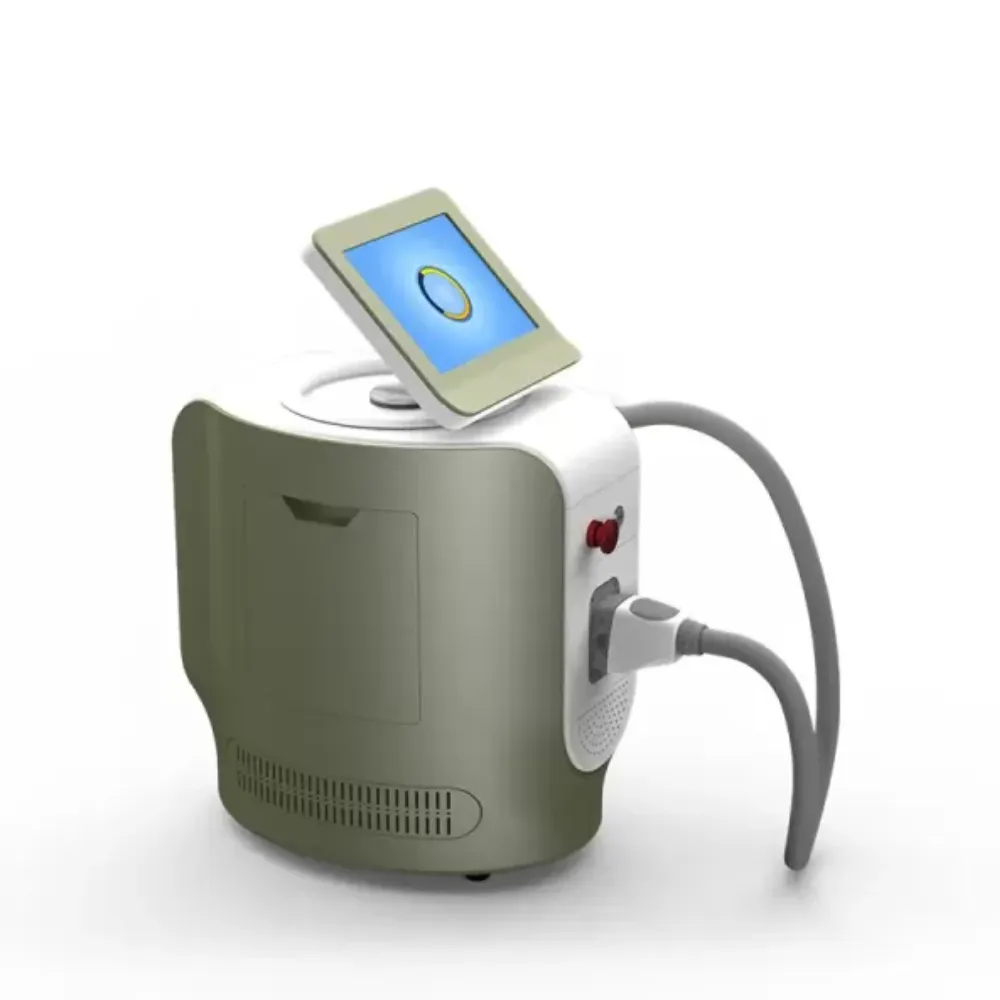
A dedicated long-pulsed Nd:YAG laser and a diode platform with a nominal 1064nm component are different light sources. Their labels may share a number. That doesn’t mean their pulses, results, evidence, or allowed uses are the same.
A diode laser hair removal dark skin comparison should identify the source first, then the named model and configuration. Ask whether the supporting paper actually used that source. Do not accept a dedicated Nd:YAG paper as proof for a diode component simply because the advertised wavelength looks similar.
Our three- versus four-wavelength diode guide explains the equipment comparison. Wavelength count helps describe a configuration; it cannot certify suitability for a person or replace clinical evidence.
DermNet identifies long-pulsed Nd:YAG as an important option for hair removal in skin of colour and discusses diode experience alongside possible complications. That background supports a clinical comparison, rather than a universal ranking of every machine on the market.
The clinic should ask its qualified reviewer to weigh the available models, intended population, labeling, and evidence. A diode laser hair removal dark skin shortlist may remain conditional while those questions are answered. The buyer’s role is to make the comparison traceable, not choose treatment settings.
Illustrative scenario: A supplier shares a types III–IV pilot to support a clinic planning to serve type VI patients. The buyer records the mismatch and requests relevant evidence. The team does not relabel the pilot as a VI study or assume a longer wavelength closes the gap.
If your comparison also includes intense pulsed light, keep that technology distinct. The diode versus IPL equipment guide covers the broader purchasing comparison without making the sources interchangeable.
Cooling matters in a diode laser hair removal dark skin review. A low screen reading does not prove patient safety. Ask where a quoted temperature was measured, under what room conditions, and during what workload. A screen value, coolant reading, and contact-surface measurement describe different things.
Request the model’s cooling description, maintenance needs, and documented fault response. These help the clinic understand the system it would own. They do not establish a universal skin-temperature threshold or a treatment protocol.
The diode laser cooling system buyer’s guide provides a fuller document checklist. Keep clinical risk assessment with qualified staff, even when a demonstration looks comfortable.
For diode laser hair removal dark skin purchases, ask who trains your team and what the course covers. Request the written scope, trainer credentials, and route for unresolved clinical or technical questions. A brief product demonstration should not be recorded as a clinical qualification.
The instructions for use, often called the IFU, should identify the device and relevant uses, limits, and warnings. The clinical lead should review patient assessment, contraindications, and the response to suspected injury against those instructions. This guide supplies no fluence, pulse width, frequency, or treatment-setting recommendations.
The official Lumenis video below introduces its LightSheer platform. It can help buyers recognize why brand and platform identity matter in a diode laser hair removal dark skin evidence review. It is not evidence for LaserTell, equivalence to either study device, or suitability for a particular skin type.
Video source: Lumenis Aesthetics. Manufacturer platform overview; no clinical safety conclusion is drawn from the video.
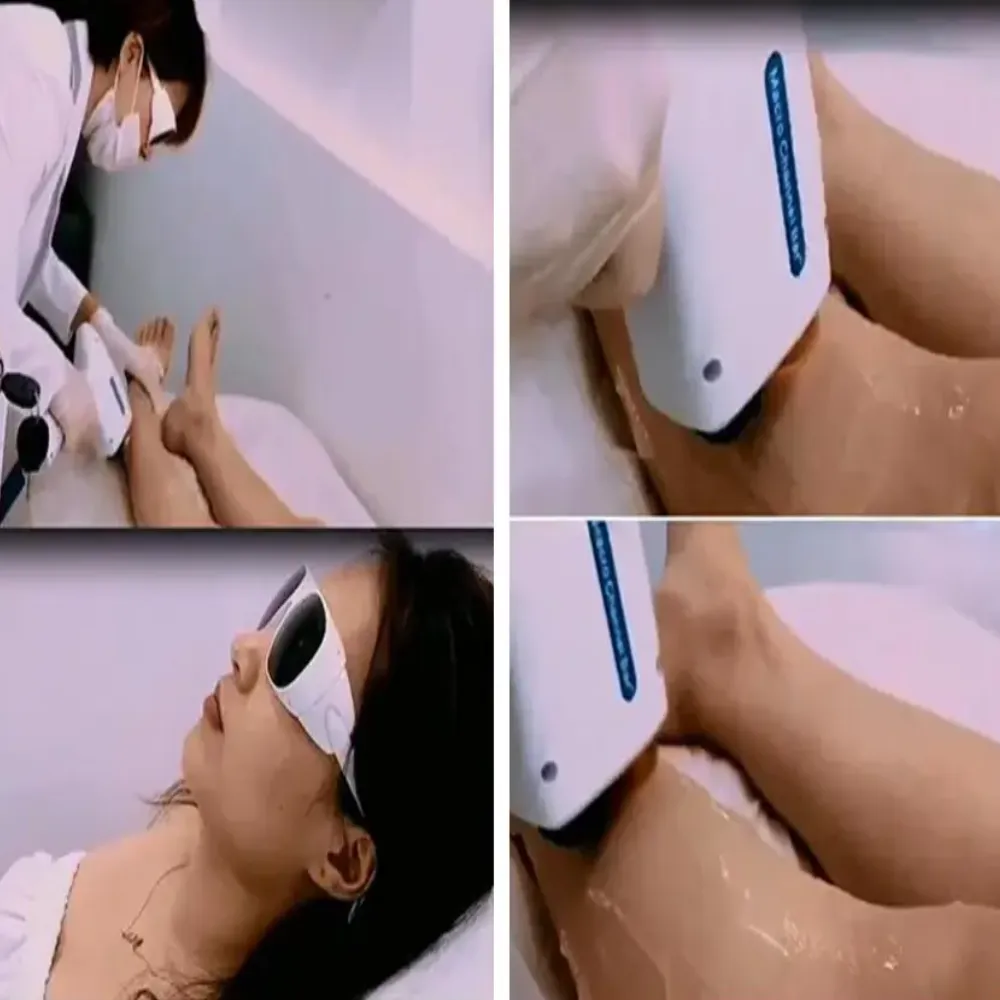
Keep a short claim register rather than a folder of unexplained certificates. Each diode laser hair removal dark skin claim needs a named source, a scope, a reviewer, and a status. Where evidence is missing, “pending” is a useful result.
| Claim or question | Document to request | Review responsibility |
|---|---|---|
| Intended population and body areas | Full study and exact model IFU | Qualified clinical lead |
| Model, handpiece, and mode match | Quote, configuration sheet, study methods | Technical and clinical reviewers |
| Local market status | Model-specific regulatory records and labeling | Local compliance reviewer |
| Cooling and fault behavior | Technical documentation and service instructions | Technical reviewer |
| Training and continuing support | Written training scope and support terms | Clinic operations and clinical lead |
Regulatory status, research support, and individual suitability answer different questions. A device’s market authorization does not mean every patient is suitable. A study doesn’t show that a device can be sold or used in your market.
Ask the supplier to identify any difference between the studied device and the quoted system. A new handpiece, mode, or software version may need a fresh review. Do not quietly substitute a product family name for the exact configuration under discussion.
LaserTell’s diode laser equipment catalog is a starting point for identifying products to discuss. Request documents for the specific model you are considering. This guide has not established LaserTell model-specific clinical coverage of IV, V, or VI skin types.
Keep that distinction in your diode laser hair removal dark skin file. Supplier materials can describe the offer; they do not become independent clinical evidence because they are stored beside a journal paper.
Use three plain statuses: confirmed, pending, and not applicable. “Confirmed” means a named reviewer checked the stated claim against an identified document. “Not applicable” needs a reason; it is not a substitute for a missing answer.
For diode laser hair removal dark skin reviews, note the date and version of each document. If a supplier updates a claim, keep the previous version and the reason for the change. This lets the team revisit the decision without reconstructing an email trail.
Start with the intended service, population, market, and responsible clinician. Then list the evidence needed for the exact machine. Set these conditions before comparing discounts so that an attractive quote does not change the clinical question.
A diode laser hair removal dark skin checklist should ask:
Record who can close each pending item. A supplier can supply a document; the clinic’s reviewer decides whether it answers the requirement. Do not hide missing answers. Keep them in the diode laser hair removal dark skin file through contract review and delivery.
Illustrative scenario: A clinic reviews one handpiece, then receives a revised quote with a different configuration. The buyer compares the new part description with the evidence file and asks the reviewers to revisit affected claims. No patient outcome is assumed in this example.
Keep diode laser hair removal dark skin review separate from broad throughput or return-on-investment claims. A faster workflow is not evidence of suitability, and a lower price cannot fill a population gap. Resolve the intended use before building service forecasts around the equipment.
Before acceptance, compare the delivered identifiers with the agreed documents. Keep the training plan and support contacts with the machine’s records. This makes the procurement decision usable by the people who must operate and maintain the system.
Some named diode systems have published evidence in deeper phototypes. Diode laser hair removal dark skin suitability still requires model-specific evidence, applicable labeling, and individual assessment by a qualified clinician. A broad yes or no hides these differences.
No. The light source differs. A shared nominal wavelength does not transfer a dedicated long-pulsed Nd:YAG study to a diode machine.
No. Cooling is one part of a system. Diode laser hair removal dark skin claims still need evidence, instructions, training, and clinical review; a temperature display cannot promise an injury-free outcome.
No. Read the actual enrollment. A types III–IV study does not establish VI outcomes, and even a IV–VI study needs scrutiny of sample size and design.
Ask for the exact model, configuration, full supporting studies, IFU, applicable market documents, and written training and support scope. Have the relevant clinical, technical, and compliance reviewers identify any open questions.
For a diode laser hair removal dark skin equipment discussion, contact LaserTell with your intended use and model questions. Request documents for review before a purchasing decision. The next useful step is an evidence file that your clinic can assess, with every unresolved claim clearly marked.
 27Oct
 26Oct
 24Oct
 23Oct