IPL Wavelengths: A Guide to Ranges and Cutoff Filters
IPL wavelengths form a broad, filtered band of light rather than one laser wavelength. Descriptions commonly span roughly 400 or 500 to 1,200 nm, but...

Choose an IPL machine manufacturer by checking the exact model’s records, light output, spare parts, and written service terms. A low price tells you little until you know what the offer includes.
Comparing suppliers can seem simple when their brochures show similar screens, cooling claims, and treatment menus. Yet one offer may include training and spare parts, while another leaves both unpriced. The same problem affects IPL filters. Two labels may match, yet the light output and parts may differ.
If you run a clinic, sell devices, or plan your own brand, start with the full device package. Ask who is in charge of the device. Check the proof for its intended use and how you will keep it working. Then compare IPL machine cost for the years you plan to keep it.
This guide helps you check an IPL machine manufacturer through its records, tests, sample, and sales terms. It uses FDA guidance and a skin-care reference to explain what to ask. You’ll be able to build a shortlist and ask for a clear quote. Patient checks and treatment settings need qualified staff and the device’s instructions.
Key Takeaways
- Match the legal manufacturer, model, accessories, and intended market across the quote and supporting records.
- FDA registration and device listing do not establish approval or clearance.
- Compare IPL filters, pulse delivery, cooling, and measured output together; matching labels don’t establish equivalent systems.
- Include IPL handpiece replacement, freight, training, and service exclusions when assessing IPL machine cost.
- Ask each IPL machine manufacturer to put setup changes and after-sales responsibilities in writing.
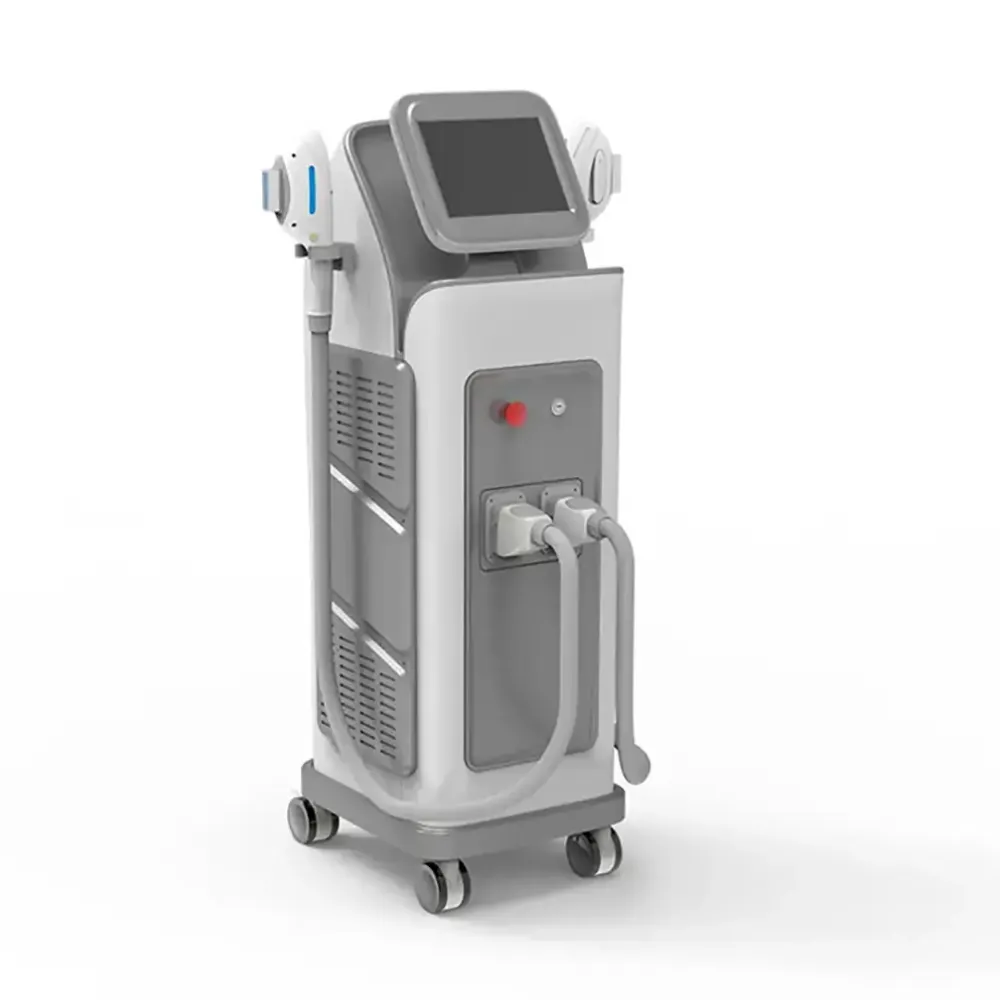
An IPL machine manufacturer, a trading firm, and a local seller may each handle a part of your order. Find out who designs or builds the system, who sells it, and who performs repairs. A local seller may help with service. Get the name of the person or firm in charge.
Before asking for a discount, write a short buying brief for the IPL machine manufacturer:
Fictional example: Alex compares two offers. Alex manages a two-room clinic and receives two quotes with the same cabinet photo. One seller names the legal manufacturer and sends a manual for that model; the other sends a certificate with a different company name. Alex asks both sellers to explain the relationships in writing before paying a deposit. The shortlist stays open until the second seller explains the mismatch, so the decision rests on a device with clear records rather than the picture.
For help defining the equipment itself, use the clinic IPL selection guide before requesting comparable proposals.
Ask the IPL machine manufacturer which work happens at its own plant and which comes from other firms. A live video of the plant can help you check this. It doesn’t prove that you may sell or use the device, or how long it will last. Keep a dated file of answers, document versions, and open questions.
Start with who makes the device and its intended use. Ask the IPL machine manufacturer for records that match the setup in your quote, with the supplied IPL handpiece and IPL filters. Ask the IPL machine manufacturer to show which model each record covers.
Use this table to build a request list. The rules depend on your market, the device class, and the intended use. This table is a starting point; check the rules for your own market.
| Evidence to request | What to match | Question for the supplier |
|---|---|---|
| Manufacturer identity | Legal name, address, and device label | Who takes responsibility for this model? |
| Market documentation | Model, intended use, jurisdiction, and accessories | What permits this setup to be supplied here? |
| Quality-system certificate, if claimed | Holder, scope, issuer, and validity | Can the issuer verify the certificate and its scope? |
| Safety and output reports | Tested model, version, method, and date | Does testing cover the quoted IPL handpiece? |
| User and service documents | Software version, IPL filters, and maintenance tasks | Which tasks require a trained technician? |
| Traceability and complaints process | Serial numbers, parts records, and contact route | How are faults and corrective actions recorded? |
The US Food and Drug Administration states that registration and listing do not denote approval, clearance, or authorization. It also states that FDA does not issue device registration certificates. A seller’s registration certificate doesn’t tell you if a given product has the right market status.
If an IPL machine manufacturer gives a clearance number, check the official device record and its scope. Match the device type, model information, and intended use. A record for a diode laser doesn’t establish clearance for an IPL system from the same business.
ISO 13485 sets rules for a medical-device quality management system. That type of certificate is not, by itself, permission to sell a given device. Ask a qualified adviser to check the rules for your market before you import or use the device.
Ask for these records early in the buying process. Finding a mismatch after shipping can change the practical IPL machine cost through delays, extra advice, or a device you cannot use. An IPL machine manufacturer should explain any mismatch before you place the order.
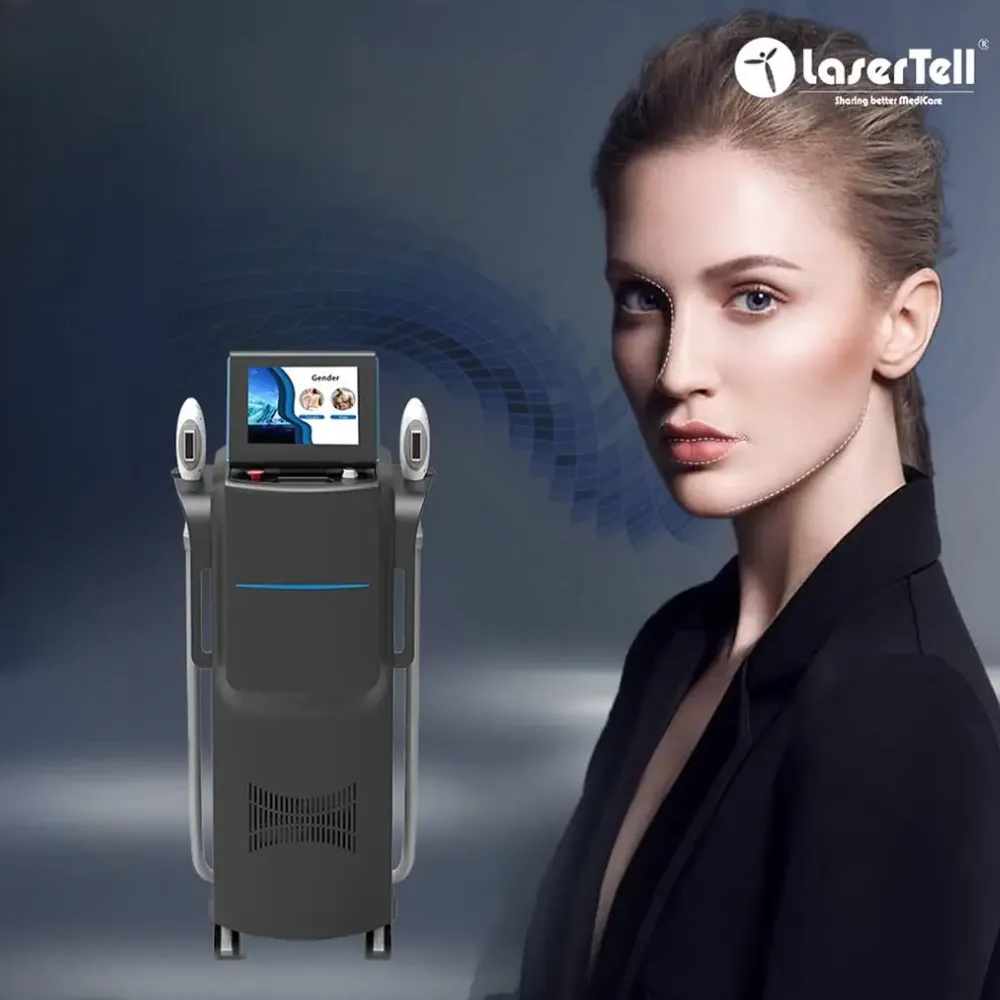
Intense pulsed light, or IPL, uses a filtered band of light. It isn’t a single-wavelength laser. DermNet’s IPL overview explains how light absorbed by skin targets becomes heat, and describes side effects such as blistering and darker or lighter skin patches.
So check how all the light-delivery parts work together. An IPL machine manufacturer should show how the spec sheet matches the IPL handpiece, IPL filters, controls, and manual in your offer.
Ask what the wavelength entry means: light from the source, light that passes through, or just the filter’s lower cutoff. IPL filters can remove parts of the spectrum; a cutoff label alone doesn’t describe the full delivered band. Request the transmitted range and the compatible part number for each set of IPL filters.
Use the guide to IPL wavelengths and cutoff filters to interpret those terms. Then ask how the supplier verifies the spectrum at the treatment window. Two sets of IPL filters with similar names may pass different light bands or have different approved uses.
Fluence is energy delivered per unit area, stated in joules per square centimeter, or J/cm². The watt rating on the cabinet measures a different thing. Ask the IPL machine manufacturer where the team measures output and in which test conditions.
Ask what each pulse term means: how long a pulse lasts, how it is split, and how fast flashes repeat. The highest listed flash rate may not apply at every energy setting or cooling condition. Ask for a table of settings that can run together, instead of assuming all the top values work at once.
Ask the IPL machine manufacturer to show the quoted setup at work and send its test report. A trained expert should explain four things:
Check the IPL handpiece window, cable, plug, and fit. Try how it feels to hold, too. Ask how the tip stays cool through repeated flashes and how the screen shows faults. Ask to see that model’s safety features at work, with the test based on its manual.
The IPL machine manufacturer should state who may replace IPL filters, clean the window, or service the cooling circuit. A part may come off easily yet still need a trained service engineer. Note any service tools and training that affect IPL machine cost.
Compare IPL machine cost using the same time span, planned workload, and list of supplied items. Ask the IPL machine manufacturer to separate equipment, accessories, transport, installation, training, and ongoing service fees. Keep taxes and import fees visible in IPL machine cost where they apply.
The IPL handpiece deserves its own budget line. Confirm whether a worn lamp can be replaced separately or whether the whole unit needs to be swapped. Ask for the part number and price. Check which console it fits and whether the swap needs calibration or a software code.
To compare each IPL machine manufacturer, record these IPL machine cost inputs:
Fictional example: Sam checks a parts allowance. Sam compares two hypothetical quotes, not market prices. Offer A costs $6,000 and needs a $1,500 replacement assembly during the chosen budget term; offer B costs $7,000 with a $300 parts allowance. Those limited totals are $7,500 and $7,300 before freight, tax, labor, or downtime. Sam asks for evidence supporting each replacement assumption before choosing, because other lifespans or excluded costs could reverse the comparison.
To test IPL machine cost, use low, expected, and high spare-part budgets if service records are scarce. Don’t treat advertised lamp shots as a promise of useful output until the final flash. Ask what limits the IPL handpiece warranty: time, shots, use conditions, or the results of a fault check.
For a fuller budget framework, the IPL machine cost guide separates purchase price from the costs of keeping it running. Your own IPL machine cost still needs quotes for your order and realistic local costs.
Ask the IPL machine manufacturer who checks faults and who pays for shipping a failed part. Confirm whether parts are stocked locally, sent from abroad, or produced to order. A promise to reply in a set time is not a promise to finish a repair by then.
Get written answers on service after the warranty ends and parts after a model is no longer made. Check the parts match when you order a spare IPL handpiece. A plug may fit, yet the spare part may not be approved for that console.
These written terms make IPL machine cost easier to compare for each IPL machine manufacturer. They also show which day-to-day risks your firm keeps, even when the device has a warranty.
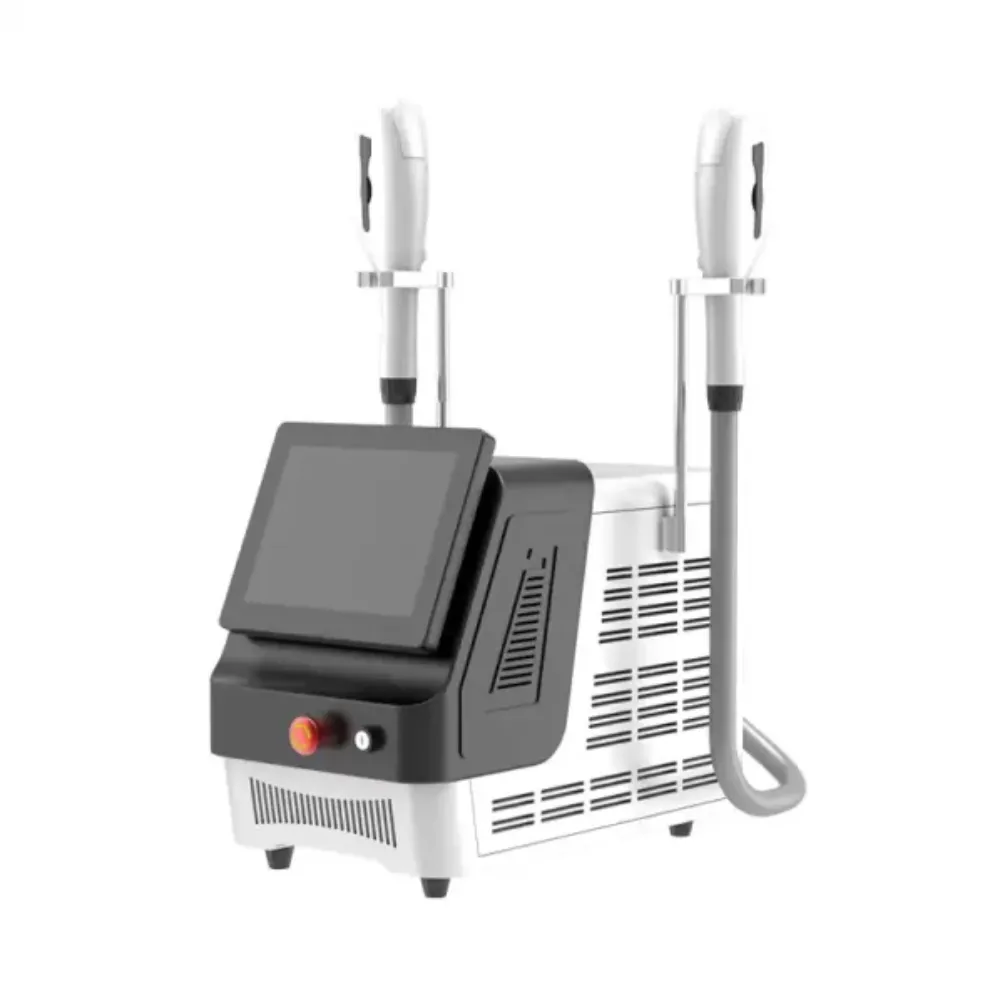
Private-label buying adds a second question: what exactly may change? OEM means original equipment manufacturer, while ODM means original design manufacturer. Suppliers use these labels in different ways. State the work you need; the label alone is not enough.
Ask the IPL machine manufacturer to separate changes to the look from changes to optics, controls, or safety features. A logo, software language, IPL handpiece redesign, and different IPL filters are separate requests. Each needs a clear scope and a check of any effects on testing, labels, and market documentation.
Keep a signed sample record with drawings, software version, parts list, labels, packaging, and manuals. State who approves changes, how the seller reports part swaps, and which records need an update. The IPL machine manufacturer should identify which quoted items are standard and which require development.
Fictional example: Morgan reviews a pilot shipment. Morgan plans a own-brand launch across three clinics and approves one sample before a larger order. The pilot arrives with a different IPL handpiece revision and revised IPL filters, although the cabinet looks unchanged. Morgan pauses the rollout and asks the supplier to check the parts list, test records, and manual for a match. The next decision follows the signed sample record, since the same look does not prove the new parts work the same way.
Ask which project fees will change IPL machine cost:
Beijing LaserTell Medical Co., Ltd. describes appearance, branding, interface-language, and packaging customization on its service page. For each model and order, ask what can be done and which records are needed. Confirm the training, price, warranty, and delivery terms in writing.
Planning a branded equipment line? Review LaserTell’s OEM/ODM services and submit your target market, setup, and proposed changes for discussion.
IPL machine cost depends on the device category, setup, market documentation, accessories, and support package. A home-use handset and a clinic platform serve different buyers. Ask each supplier to price the same items. Use the same spare-parts budget when you compare totals.
Ask who the legal manufacturer is, which firm builds each part, and which records cover the model. Check that the device label lets you trace it. Follow up with a site visit or live inspection where practical. An IPL machine manufacturer may buy parts from other firms. Check who controls the finished device and takes responsibility for it.
No. Registration and listing do not denote approval or clearance. Check any claimed clearance or approval in the official device record. Its scope must match the product in your offer. A company name alone is not enough.
Yes. Similar IPL filters can be paired with different spectra, pulse controls, cooling systems, and treatment windows. Ask the IPL machine manufacturer for the full transmitted band and model-specific evidence. A matching label isn’t a basis for transferring treatment settings between systems.
No. An advertised shot count doesn’t state when the seller will repair or replace a part under warranty. Check the IPL handpiece time limits, output terms, excluded costs, and spare-part charges. Confirm whether the quoted IPL filters have separate care or replacement requirements.
A useful shortlist starts with records you can check and a clearly defined equipment package. Check the company in charge, exact model, target market, and supplied parts before you price extra features. Then ask for output evidence and service terms that match that setup.
Use one comparison sheet for every IPL machine manufacturer. Record open questions beside each quote, including IPL filters, spare parts, and the support route. A blank field means you need an answer before you pay. Don’t guess that the quote includes it.
Next, compare IPL machine cost with realistic parts and downtime budgets. Test the budget items that could change your choice most: lamp life, spare parts, freight, and who pays for repairs. A small price difference can look different once both offers contain the same items and exclusions.
To discuss your requirements with an IPL machine manufacturer, request model-specific information from LaserTell. Include your country, clinic setting, planned uses, parts you need, and any own-brand plans so the enquiry can address a defined setup.
 21Nov
 20Nov
 19Nov
 18Nov