OEM Diode Laser Hair Removal Machine: A Private-Label Buyer’s Guide
An OEM diode laser hair removal machine project starts with a defined base model, a target market, and a written list of changes. Match that...

Diode laser machine maintenance should follow the exact model’s current instructions for use, with routine operator tasks separated from authorized repairs. Build the schedule from those documents, rather than a generic online water-change calendar.
The awkward moment often comes at handover: one employee remembers a supplier’s advice, another follows a video, and neither can find the correct manual. A clear maintenance file gives the next person something better than memory. This guide shows clinic teams how to organize that file, assign tasks, record faults, and request the missing details before work begins.
Key Takeaways
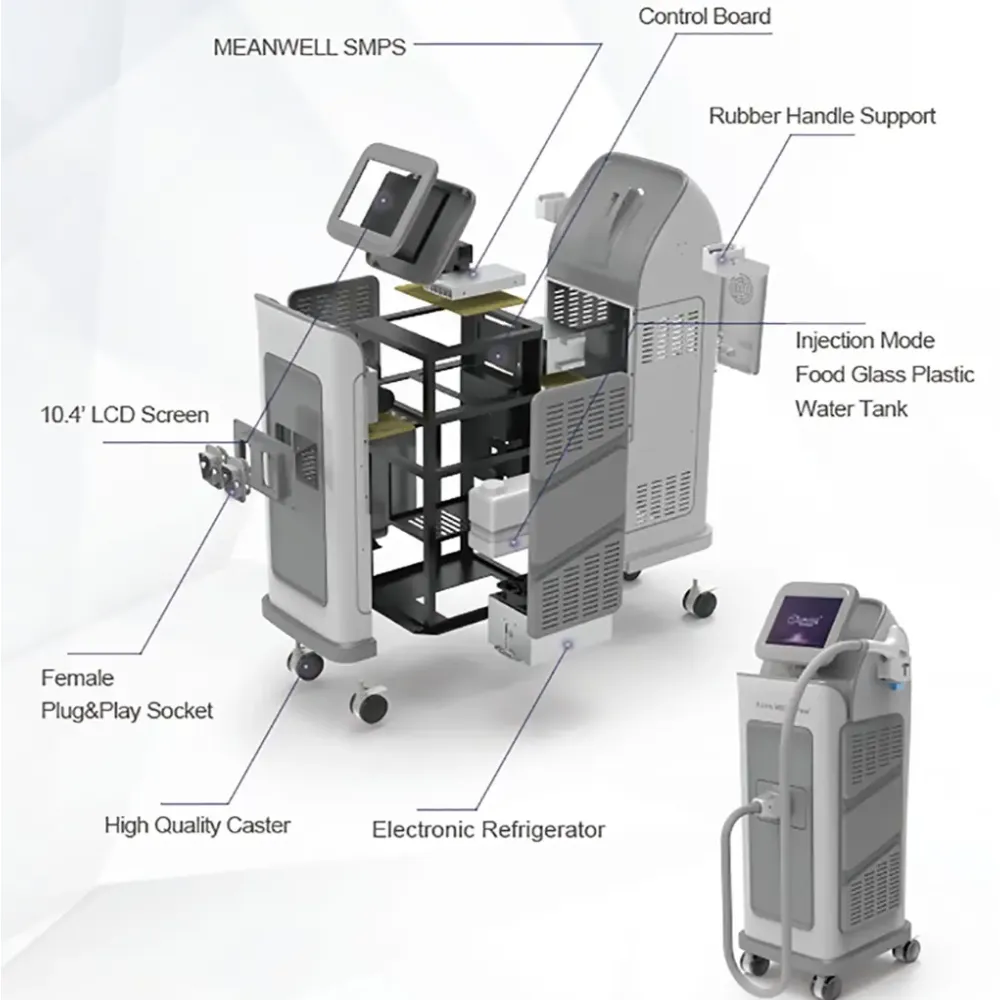
Start diode laser machine maintenance with the identifiers on the equipment and its records. Keep the model, serial number, handpiece details, and relevant software version together. A product family name alone may leave the supplier unsure which instructions you need.
Request the current instructions for use, often called the IFU, and ask which revision applies to the installed system. Keep a controlled copy where staff can find it. If the supplier sends a new version, record who reviewed the changes and which tasks need updating.
For a LaserTell equipment inquiry, prepare those identifiers and your document questions before asking for a schedule. This gives the supplier a specific request to answer. It does not assume that a generic article is the maintenance manual for your machine.
A diode laser machine maintenance plan needs a clear boundary between routine care and technical service. The supplier-hosted D808 user manual, for example, limits opening and repair work to authorized personnel. That is a restriction in that document, not a complete service policy for another brand.
Ask the supplier to confirm the permitted tasks for your exact model in writing. Being confident with tools doesn’t mean a staff member is authorized. Where the document is unclear, leave the task pending and obtain a clear answer from the appropriate support team.
Illustrative scenario: A new employee copies a water-change reminder from a machine used at a previous clinic. The manager checks the current equipment file and finds no supporting instruction for that interval. The team requests the correct schedule instead of carrying the old reminder forward.
Name an owner for the diode laser machine maintenance file. Choose a backup who can find it when the owner is away. Record where service contacts, warranty terms, and training records are stored. This is an administrative role; it does not turn that person into an authorized repair technician.
Good diode laser machine maintenance starts with a traceable instruction. Each task should point to a document section or written model-specific clarification. When no source exists, the next task is to obtain one.
Keep operator checklists short enough to use, but precise enough to identify the actual task. Include the equipment identifier, the approved check, the required state of the machine, and the action if a problem is found. Take the technical details from the IFU rather than filling gaps yourself.
Possible checklist categories include external condition, cables, the handpiece, and accessible treatment surfaces, where the manual permits those checks. These are categories for planning, not a universal inspection procedure. The exact method and frequency remain model-specific.
A useful diode laser machine maintenance checklist distinguishes “checked” from “acceptable.” A tick beside a damaged item should not hide the defect. Give staff space to describe what they saw and identify who will review it.
Use the model’s approved cleaning and disinfection instructions. Ask for clarification on compatible agents, required contact time, drying, and any limits for particular surfaces. A product used elsewhere in the clinic may not be approved for the laser’s window, coatings, or accessories.
Do not replace missing instructions with a universal alcohol concentration or a suggestion to spray inside the unit. Cleaning and disinfection requirements need review by the relevant clinic lead alongside the equipment instructions. This guide does not supply a substitute chemical recipe.
For diode laser machine maintenance records, note the approved procedure version rather than recording only “cleaned.” If materials change, check compatibility before adding the replacement product to the workflow. Keep that decision with the procedure so later staff can understand it.
A diode laser machine maintenance handover should state whether the unit is ready, has an open issue, or awaits service. Use the clinic’s agreed status labels and follow the IFU for any required stop-use action. Do not let an informal message become the only record of a concern.
Keep patient details out of a technical fault log unless they are required and handled through the clinic’s appropriate process. Equipment records usually need the machine identifier, observation, date, and action. Separate records can be linked through the clinic’s controlled reporting system where needed.
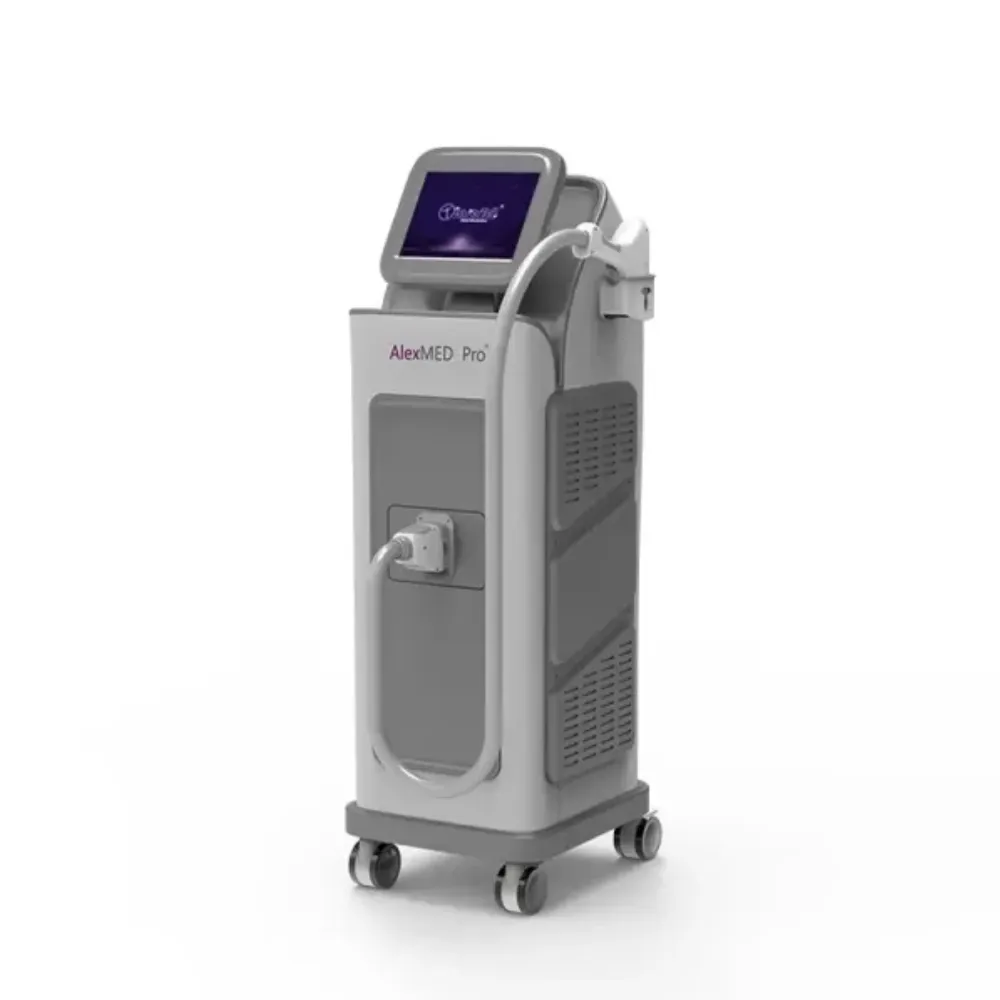
Cooling belongs in diode laser machine maintenance, but “add water” is not a complete instruction. Ask which fluid specification applies, whether any additives are permitted, and which parts of the task clinic staff may perform. Do not assume distilled water, deionized water, and a branded coolant are interchangeable.
Our diode laser cooling system guide helps buyers frame cooling questions. The operating and service instructions for the installed machine still govern its care. A general cooling explanation cannot establish a refill procedure.
Keep the fluid specification with the maintenance task and purchasing record. If the specified product is unavailable, ask for an approved alternative. A convenient local substitute should not silently become the clinic’s new standard.
There is no single water-change interval established here for all diode machines. The D808 document cited above states a monthly water replacement interval for that model. It is an example of a model instruction, not a recommendation for LaserTell equipment or every clinic.
A diode laser machine maintenance schedule should record both the stated interval and any conditions that affect it. Ask the supplier how usage, storage, or service events change the task where the manual is unclear. Do not average conflicting blog recommendations into a new interval.
| Planning question | Evidence to keep | If the answer is missing |
|---|---|---|
| Which fluid is allowed? | Current model specification | Request clarification |
| When is replacement due? | IFU or written service instruction | Keep schedule pending |
| Who may perform it? | Task authorization and training scope | Refer to support |
| Which filter is compatible? | Approved part identifier | Do not choose by appearance |
| What confirms completion? | Required checks and service record | Ask before scheduling work |
Some online guides make internal access look routine. That does not establish that your staff may open your system or handle its water circuit. Confirm the task’s service category, required competence, and approved parts before arranging work.
In diode laser machine maintenance, a filter that looks similar is not proof of compatibility. Keep the part identifier and supplier confirmation with the work order. Ask the service provider which checks and records are required after replacement, without inventing a generic restart or leak-test sequence.
When a task requires authorized service, plan the appointment and operational cover. The clinic can organize access and records while leaving the technical procedure to the appropriate person. Clear boundaries make the plan easier to use.
The handpiece deserves its own record within diode laser machine maintenance. Link its identifier to the console, relevant accessories, service history, and current instructions. When a handpiece moves between compatible systems, record the change only within the manufacturer’s permitted arrangements.
Follow the applicable instructions for handling, storage, and permitted inspection. Do not infer transport or storage requirements from a different model’s video. Request the proper packaging and shipping instructions when arranging off-site service.
A shot counter may be useful as an equipment record. It does not, by itself, establish remaining life or guarantee output quality. This guide has not verified a universal shot lifespan for handpieces across brands.
The official Lumenis LightSheer handpiece service page describes its own parts and refurbished-handpiece offering. It illustrates why buyers should ask about the supplied assembly and service terms. Its offer is not a LaserTell service commitment or proof that another handpiece is equivalent.
For diode laser machine maintenance purchasing, request a written scope: the identified part, work included, applicable warranty, shipping responsibility, and any required checks. Obtain actual terms for your market and equipment. Avoid treating a sales conversation as a complete service contract.
Illustrative scenario: A clinic receives a replacement handpiece proposal with a different part description from the one in its file. The administrator asks the supplier to confirm compatibility and the applicable instructions. The record stays open until the responsible reviewer checks the response; no performance outcome is assumed.
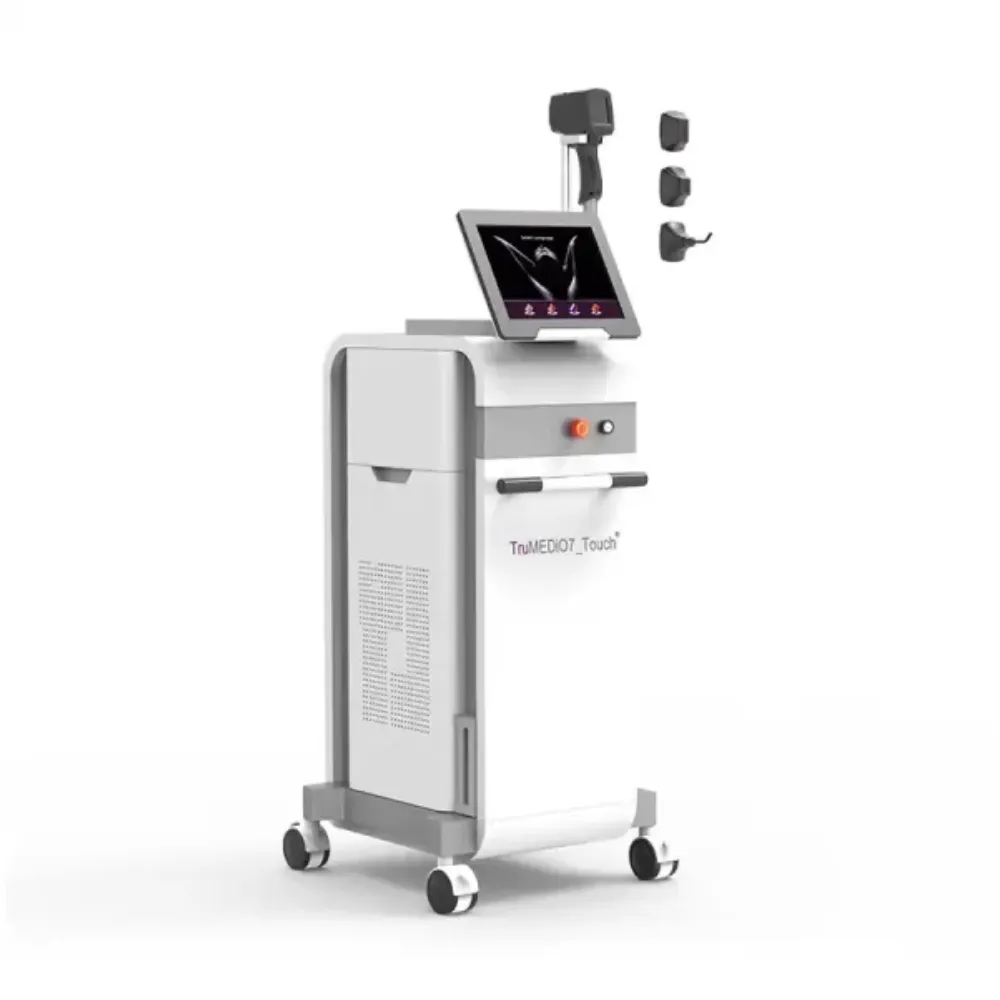
A useful diode laser machine maintenance fault report preserves the exact message, equipment identifier, time, and circumstances. Note what staff observed and the actions already taken under the instructions. Do not translate a code into a diagnosis using a different manufacturer’s website.
Follow the model’s instructions for stopping use, isolating equipment, and contacting support. Do not bypass a warning, interlock, or protective function to keep appointments running. An alarm that disappears is not, by itself, evidence that the underlying issue has been resolved.
Keep operating conditions in the record where they are relevant to the service inquiry. Our high-power diode clinic efficiency guide explains workload questions for buyers. Advertised power does not establish a failure rate or a maintenance interval.
The Lumenis official service overview describes a manufacturer service route and training categories for its systems. Use that as background for asking your supplier who handles user questions and technical repairs. Do not assume the same availability or training scope for another company.
A diode laser machine maintenance service request can include:
Illustrative scenario: A receptionist reports that a machine “got hot,” but the service team has no code or time reference. The clinic updates its handover form to capture those details during future events. The example concerns record quality, not a diagnosis or proof of a prevented failure.
For diode laser machine maintenance, completed repair work and permission to resume use should be clear in the record. Ask which post-service checks are required and who is responsible for them. Keep the service report and outstanding limitations together.
Do not invent a universal waiting period, calibration method, or restart sequence. Follow the applicable instructions and authorized service direction. If a required check remains open, make that visible to the scheduling team.
Use one row per task or event in the diode laser machine maintenance log. Link it to the source instruction. The goal is a readable record, not a long form that staff cannot complete. A spreadsheet or existing equipment system can work if the clinic controls access and changes.
| Field | What to enter |
|---|---|
| Equipment | Model, serial number, and relevant handpiece |
| Task and source | Approved task plus document section and revision |
| Responsibility | Assigned role and required authorization |
| Timing | Documented interval or event trigger |
| Completion | Date, person, observation, and result |
| Follow-up | Open issue, service reference, and responsible reviewer |
Leave technical values blank until they are confirmed. Add a status so blank fields cannot be mistaken for completed checks. In diode laser machine maintenance, an empty field marked “awaiting supplier clarification” is more useful than a confident number with no source. Give each open item an owner and a follow-up date.
Track quotes, parts, shipping, and planned downtime separately in your diode laser machine maintenance cost record. Use actual supplier terms rather than industry savings percentages. An organized maintenance plan does not guarantee a particular lifespan or eliminate unexpected repairs.
Review the open-item list when equipment, instructions, or staffing changes. A new handpiece or procedure may affect the task assignment and training record. Update the linked instruction as well as the reminder in the calendar.
To identify products for a document request, review the LaserTell diode equipment catalog. Ask for the exact model’s IFU, maintenance scope, parts information, and support terms. This article has not established those model-specific requirements or promised a service response time.
Use the current model’s documented interval and conditions. Diode laser machine maintenance schedules cannot be transferred across brands from one manual example. Ask the supplier to resolve conflicting instructions before assigning the task.
Do not assume so. Obtain the required fluid specification and any approved alternatives for the exact system. Do not add chemicals or substitute fluids based on a general blog.
Only where the applicable instructions and authorization allow it. The task may require technical service. A video showing access to a different machine does not establish permission for yours.
Follow its instructions and authorized support direction. A cleared display alone does not establish readiness for use. Record the event and complete any required checks.
No universal lifespan has been established here. Keep model-specific terms, service history, and required checks together. A marketed shot figure should not replace those records.
For diode laser machine maintenance planning, contact LaserTell with your model and document questions. Request the applicable manual, permitted task list, and support scope. Build the schedule from confirmed answers, and keep unresolved items visible until the right person can close them.



 26Oct
 23Oct
 23Oct
 22Oct