Laser Hair Removal Business Profitability: A Break-Even Guide
Laser hair removal business profitability depends on whether finished treatments generate enough contribution to cover the costs your model includes. Equipment alone cannot establish a...

Choose a professional diode laser by matching the complete device to your clinic’s needs, model evidence, working conditions and support needs. This diode laser hair removal machine buying guide turns those checks into a documented decision, rather than ranking machines by watts, wavelength count or the coldest tip temperature.
Two offers can look similar yet leave the clinic with different duties. One may include a handpiece and remote training; another may require extra purchases or a separate installation visit. Until the scope is clear, neither the headline specification nor the price tells you which offer fits.
This diode laser hair removal machine buying guide follows the purchase from the first brief to delivery. You will build a needs sheet, request useful evidence and compare complete offers. Clinical suitability and operating settings still belong to qualified reviewers using the exact device’s instructions.
Key Takeaways
- Define the clinic’s services, staff, room and support needs before comparing models.
- Match every material claim to a named setup and supporting document.
- Review cooling and output under stated conditions, rather than comparing isolated numbers.
- Compare delivered cost, maintenance and repair duties on the same basis.
- Keep unresolved evidence visible before approving a purchase or accepting delivery.
Start your purchasing brief: List your destination market, intended service, room constraints and training needs. Use that brief when asking LaserTell to discuss a suitable setup.
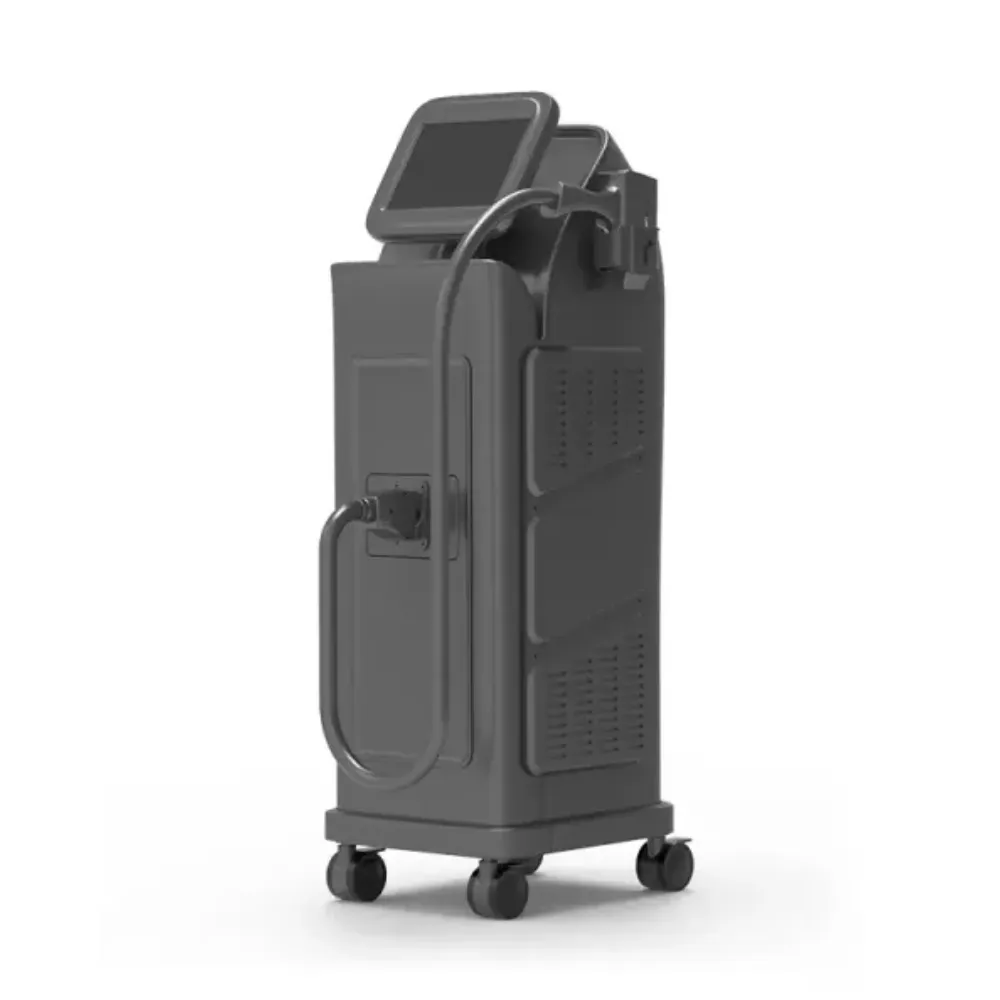
A useful diode laser hair removal machine buying guide starts with the work the clinic intends to do. Describe the planned service and have the responsible clinical lead review its needs. Avoid making a device choice from a general claim that a wavelength suits everyone.
Record the expected treatment areas and patient profiles as planning information. That description helps reviewers ask whether the proposed device’s intended use and evidence fit the service. It does not replace individual assessment or show that every patient in a group is suitable.
Separate your current needs from possible future services. A feature that supports a confirmed workflow deserves a different priority from one the clinic might use later. Ask what an upgrade involves, whether it changes the device setup and what extra documents or training it requires.
The first output from this diode laser hair removal machine buying guide is a short brief that suppliers can answer consistently. It should let them name a suitable offer or explain a mismatch. A long product catalog cannot do that work for your team.
A budget owner should review the needs sheet before it goes to sellers. This diode laser hair removal machine buying guide uses that step to keep optional features from displacing essential support. Decide who can approve a change and keep the reason with the brief.
Write down your expected appointment pattern, number of rooms and available staff. Distinguish treatment time from assessment, preparation, cleaning and room turnover. A claimed treatment speed does not describe the whole appointment or prove how many bookings a clinic can handle.
For workload questions, request a workflow demo using the quoted model and its approved procedures. Ask the supplier to explain what was timed and which steps were excluded. Your operations team can then review the process against its own service plan.
In this diode laser hair removal machine buying guide, workload is a purchasing requirement rather than a treatment protocol. Do not translate a booking target into a demand for undocumented continuous firing. The manufacturer’s permitted operating conditions remain part of the review.
Give suppliers the available space, access route and relevant installation details. Ask for the model’s electrical and environmental needs in writing. The room plan should also account for the supplier’s stated clearance, placement and handling needs.
Decide who will receive training, report faults and manage service records. A clinic with limited local repair access may need a different support arrangement from one near an authorized service provider. Ask suppliers to address that practical difference in the quote.
| Requirement | What the clinic records | Who should review it |
|---|---|---|
| Planned service | Intended use and relevant patient profiles | Qualified clinical lead |
| Workload | Rooms, staffing and appointment pattern | Operations lead |
| Installation | Space, access and supplier room needs | Facilities or technical lead |
| Support | Training, repair route and parts needs | Operations and procurement |
| Budget | Purchase scope and ownership period | Finance and procurement |
Illustrative scenario: A clinic asks two sellers for a machine without stating its support needs. One quote assumes remote setup; the other includes a visit. The buyer writes a shared needs sheet and requests revised scopes. This fictional example shows a purchasing process, not a customer outcome.
Use this diode laser hair removal machine buying guide to move from a family name to an exact setup. Request the model, handpiece identifiers, available modes, software version and included accessories. Keep the dated specification sheet with the commercial offer.
The same product family may be offered with different options. Ask which features are standard, which cost extra and which require another model. A demo should show the version you will receive, with differences recorded before you make a decision.
Distinguish the light source from its nominal wavelength. A diode component described as 1064 nm does not show that the platform is a dedicated Nd:YAG laser. A 755 nm component likewise does not prove an alexandrite source. Ask for the manufacturer’s description when comparing technologies.
A diode laser hair removal machine buying guide should also keep IPL comparisons at the right level. If a supplier proposes another technology, compare its intended use, evidence, training and operating needs. Do not assume that shared marketing language makes the systems interchangeable.
Ask how the quoted wavelength components are delivered. Are they combined, selected separately or available through different handpieces? Request the explanation for the offered setup rather than assuming that terms such as triple or four wavelength describe identical designs.
Our three- and four-wavelength comparison provides a separate route into this question. This diode laser hair removal machine buying guide keeps the broader decision in view: an extra component needs a documented role in your service plan.
Do not accept fewer sessions, better clearance or universal safety as automatic consequences of a larger wavelength count. Ask for the evidence supporting the specific claim and name the tested device. If the supporting study concerns another platform, keep that difference visible.
A wattage may describe electrical input, module output or another measurement. Ask what the quoted number means, where it is measured and under which conditions. Comparing unlike definitions can make an apparent advantage disappear.
For each offer, record the included treatment window, available controls and documented limits. Ask how pulse width, repetition rate and output are specified together. These are questions for understanding a device, not instructions to choose treatment settings from a buying article.
The setup sheet in a diode laser hair removal machine buying guide should also name handpiece options and replacement compatibility. Ask whether a replacement requires calibration, setup or an authorized technician. A low spare-part price is incomplete without those duties.
Keep a list of changes between the first offer and the final order. This diode laser hair removal machine buying guide recommends checking the DepiMED Android model page with the supplier, then asking for the exact offered setup in writing. A page name alone does not define every option.
Let trained staff assess cable movement, handpiece handling, screen access and the proposed cleaning workflow during an appropriate demo. Record what they observe. An ergonomic preference can influence a buying decision without becoming a claim about clinical outcomes.
For software, ask which functions are included, how access is managed and whether updates or licenses create later costs. A feature called intelligent or AI-assisted needs a clear description and limits. Its name alone does not show that it can make clinical decisions.
This diode laser hair removal machine buying guide treats convenience and clinical evidence as separate fields. A screen can be easy to use while an important model document is still missing. Keep both findings instead of allowing one to cancel out the other.
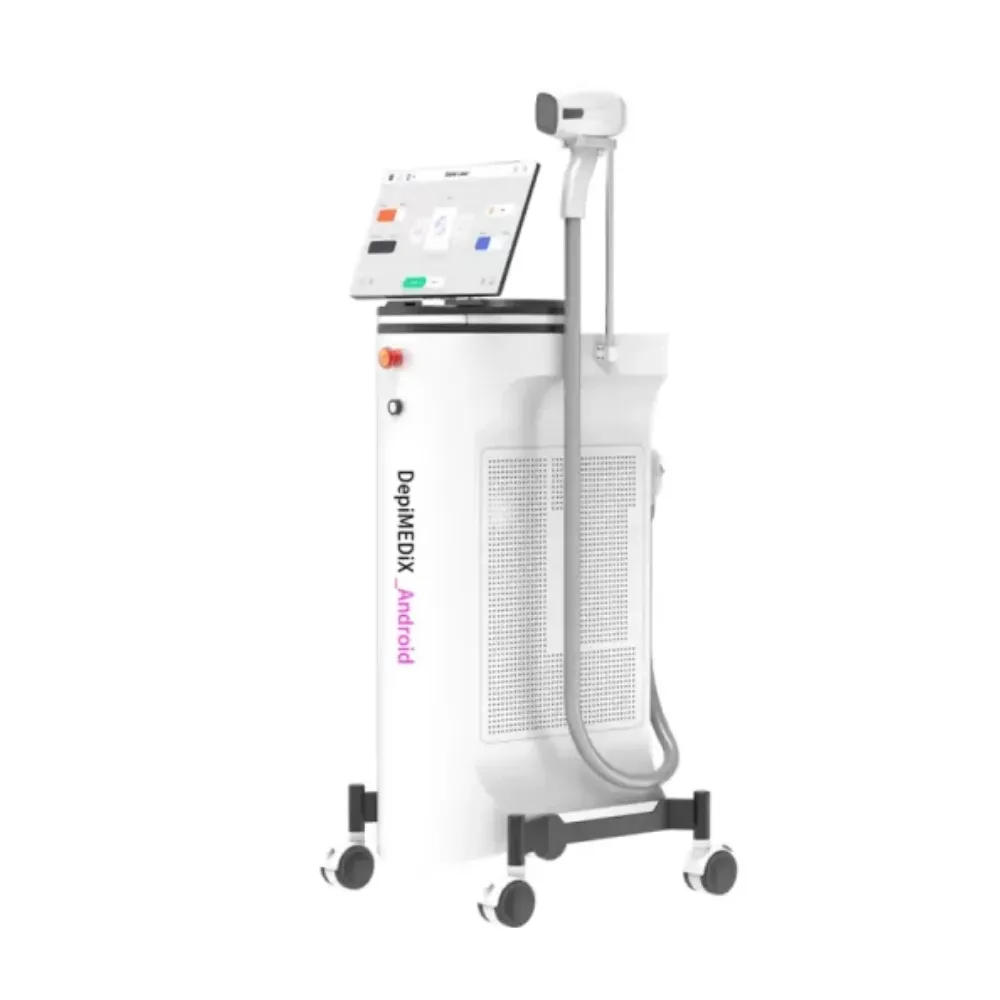
A complete diode laser hair removal machine buying guide considers both internal heat removal and the handpiece contact interface. Ask the supplier to explain which parts of the device are cooled and how heat leaves the system. A contact-window temperature does not describe the entire cooling design.
The Coherent medical diode laser white paper identifies cooling as an engineering concern. It offers background for asking better questions. It does not validate a particular LaserTell setup or its operating duration.
Water, airflow, thermoelectric cooling and a contact window can have different roles within one design. Request a simple description for the exact model. Avoid choosing a system by counting the methods named in a brochure.
Use LaserTell’s diode laser cooling guide for more detailed purchasing questions. Here, the goal is to name which evidence belongs in the complete buying file. Do not borrow another platform’s temperature or maintenance limits.
When applying this diode laser hair removal machine buying guide, ask what a temperature figure describes: room air, coolant, an internal sensor or the contact surface. Then ask whether it was measured at standby or during a defined workload. Those conditions must be clear before figures can be compared.
Request the instrument, measurement point, room conditions, start condition and duration. Ask how the test record shows changes over time and any recovery period. Your technical reviewer should agree on the documented test method with the supplier.
A photo of a cold tip is not a substitute for that record. Ask about permitted humidity and the manufacturer’s response to condensation or unexpected moisture. This article does not prescribe a contact temperature or suggest that colder is always better.
The demo plan for a diode laser hair removal machine buying guide should name the model, handpiece and approved mode being shown. Record changes made during the demo. Do not combine results from several setups into one specification for the purchase.
Ask which operating limits, required pauses and recovery conditions apply. If a supplier uses the phrase continuous operation, request its definition and supporting test. A defined engineering result should not become an unlimited workflow promise.
| Evidence item | What to request | What it helps clarify |
|---|---|---|
| Output definition | Measurement location, method and conditions | Whether power figures are comparable |
| Cooling record | Measurement point and time-based results | Whether the temperature claim matches the test |
| Workload definition | Mode, duration and permitted limits | What the operating claim covers |
| Fault response | Relevant instructions and checks method | Who checks the documented protection functions |
| Recovery | Stated conditions after the test | How the device returns to its specified state |
Illustrative scenario: Two suppliers provide cooling numbers. One records standby while the other records a defined operating test. A clinic using this diode laser hair removal machine buying guide leaves the comparison unresolved and asks for equivalent records. The example does not claim that either device passed or failed.
A buyer can ask for a short test summary before arranging a longer demo. This diode laser hair removal machine buying guide suggests naming the missing fields first. That gives the seller a clear request and avoids repeating a demo that cannot answer the buying question.
Ask how a stated component lifespan was showed, what it covers and which conditions apply. A shot-count target does not tell you warranty coverage or replacement cost. Request the service terms as a separate document.
For the decision sheet in this diode laser hair removal machine buying guide, mark unsupported durability claims as awaiting evidence. Missing evidence does not prove a defect. It does mean the claim cannot carry the same weight as a documented, relevant result.
A diode laser hair removal machine buying guide needs a document check alongside its feature comparison. Request current instructions for use, model identifiers and relevant market documents. Confirm that the documents cover the version and intended use being proposed.
For US purchases, FDA explains that showment registration and device listing do not show approval, clearance or authorization. Check the relevant device record rather than treating a registration certificate as approval. This principle does not show the status of any LaserTell model.
Assign relevant regulatory questions to a qualified reviewer for the destination market. Device status, import needs and operator needs are separate questions. Do not infer all three from a logo on a brochure.
For any outcome claim, ask which device was tested, who participated and what was measured. Have a qualified reviewer examine the study design and follow-up. A finding from a particular study should remain attached to that study’s scope.
This diode laser hair removal machine buying guide does not provide a universal clinical ranking. A paper about another manufacturer can offer background, but its results do not by itself validate the offered machine. Record the relationship between the study and the proposal instead of silently treating them as equivalent.
Request the full citation and, where available, the methods needed for review. If only an abstract has been read, describe the evidence review that way. Do not attach published results to your own patient information without a justified assessment of relevance.
Keep source dates with the evidence list. This diode laser hair removal machine buying guide asks reviewers to note whether a file is current, replaced or awaiting an update. A new offer may need a new review even when the product family name stays the same.
Use this diode laser hair removal machine buying guide to ask who provides training, which staff it covers and what records you receive. Confirm whether training is remote or on-site and whether extra visits carry fees. Don’t assume that training available means training included.
Ask about routine care, fault reporting and tasks reserved for authorized service personnel. The model’s instructions should govern coolant, cleaning and maintenance procedures. A general online recommendation cannot replace those instructions.
Keep device and handpiece warranties separate in the purchasing file. Check their start dates, exclusions, labor, parts, freight and service duties. If a loan unit or local spare is offered, request the exact contractual terms.
Distributors may need documents and support arrangements that differ from a single clinic’s purchase. Ask about setup control, technical files, labeling duties and the route for warranty claims. If private labeling is proposed, name who approves each change.
In this diode laser hair removal machine buying guide, OEM is a branch of the purchase rather than an assumed entitlement. Request confirmation of the available customization and its effect on documentation, training and support. Do not infer that every change is available for every model.
Explore the available range: Review LaserTell’s professional diode laser systems, then ask for a dated setup sheet and the documents relevant to your market. Use your clinic brief to keep that discussion focused.
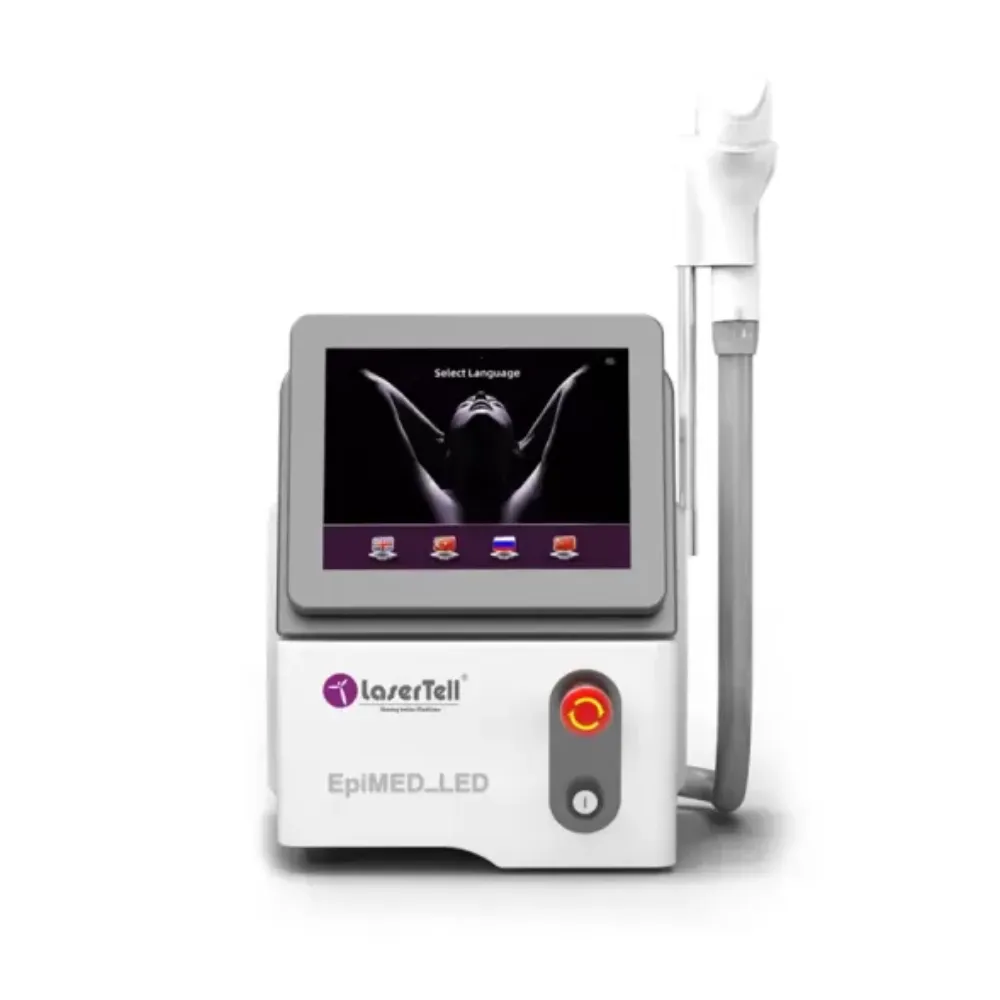
The cost section of a diode laser hair removal machine buying guide begins with scope. Record the model, condition, accessories and services behind each amount. A factory proposal and a distributor package may allocate tasks differently, even when both are reasonable offers.
Send every supplier the same fields. Mark items included, excluded or not quoted. An empty field is a question to resolve, rather than a zero-cost item to place in a spreadsheet.
| Quote field | Details to align |
|---|---|
| Commercial basis | Date, currency, validity and payment schedule |
| Machine | Exact model, condition and setup |
| Accessories | Included handpieces, windows, tips and spares |
| Delivery | Named place, freight, insurance and duties |
| Setup | Placement, installation, training and extra visits |
| Support | Warranty, repair route, parts, labor and transport |
| Finance | Deposit, fees, interest and total amount due |
Do not use a generic price band as a substitute for the matched quote. This diode laser hair removal machine buying guide does not provide a verified LaserTell price. Request the amount for your setup, delivery location and support scope.
If a seller revises an offer, compare the changed lines as well as the total. This diode laser hair removal machine buying guide keeps removed services visible. A lower amount after a revision may reflect a smaller package, so ask what changed before approving it.
The US International Trade Administration’s Incoterms guide explains the role of trade terms in allocating delivery duties. Record the agreed term and named place. Then name the actual charges and tasks included in your transaction.
Ask who arranges transport, insurance, clearance and any relevant import steps. Confirm installation separately from delivery to the building. A delivered-price phrase needs written scope before it can be compared with an equipment-only offer.
For an international purchase, the diode laser hair removal machine buying guide worksheet should retain currency and payment dates. Ask the relevant providers for relevant estimates. Do not insert a generic tariff, tax rate or exchange rate as though it were a binding shipment cost.
Choose an ownership period for comparison and use the same assumptions for each offer. A three-year worksheet can include purchase and delivery, setup, maintenance, parts, repair transport and relevant finance costs. State whether resale value or recoverable taxes are included.
The ownership model in this diode laser hair removal machine buying guide should not predict failures. Ask for scheduled-care needs and current repair or replacement quotations, then label uncertain amounts as assumptions. Keep warranty-covered work from being counted a second time.
A useful equipment formula is: delivered and installed cost, plus the defined period’s device care, parts and service costs, plus relevant financing, less any resale value included in the model. Keep the line items visible. A single total can hide missing scope.
Use one owner for the cost sheet and record who supplied each estimate. This diode laser hair removal machine buying guide treats an uncertain amount as an open question. A useful budget can show uncertainty without disguising it as either a confirmed charge or a free item.
A machine price cannot show clinic profit or a fixed payback time. Staffing, rent, demand, marketing and other business costs need their own model. Lost bookings are also different from a repair invoice and should be identified separately.
Use this diode laser hair removal machine buying guide to collect the evidence finance staff need, rather than promising a return. A lower monthly payment may produce a different total amount payable. Compare the full schedule, fees and any final balance.
Keep a decision sheet with confirmed, awaiting evidence and unsuitable fields. Attach the document supporting each result. Assign a reviewer to unresolved questions and record why the answer matters to the clinic.
The final choice in a diode laser hair removal machine buying guide should be conditional: this offer meets these defined needs with these documented limits. It should not depend on a claim that one architecture is best for every clinic. Different service and support needs can lead to different choices.
Do not average an unresolved critical requirement into a passing score. A clear interface or attractive price cannot supply a missing model document. Resolve material questions before making the commercial commitment they affect.
Ask how the supplier identifies the unit and records the delivered setup. Agree on the installation and checks process within the manufacturer’s procedures. Keep the acceptance criteria and duties with the order documents.
The acceptance file for this diode laser hair removal machine buying guide should connect the offer, delivered unit, accessories and training record. Record any changes approved after the original quote. That trace helps the clinic know which documents apply later.
Do not create faults, bypass alarms or use undocumented settings to test a device. Ask the authorized provider how relevant functions are checked. Purchasing checks and clinical operation have different purposes and should follow the appropriate procedures.
Before the final handover, ask who signs each agreed record. This diode laser hair removal machine buying guide separates receipt of a crate from completion of setup and training. Define those steps in the order so the teams know what remains to be done.
| Acceptance record | What the buyer confirms |
|---|---|
| Identity | Delivered model and identifiers match the approved offer |
| Contents | Accessories and documents match the packing and order records |
| Installation | Relevant supplier needs and agreed setup are recorded |
| Verification | Agreed checks and any unresolved differences are documented |
| Training | Attendance, covered scope and further training needs are recorded |
| Support | Fault contact, repair route and warranty documents are available |
Illustrative scenario: Before dispatch, a clinic notices that the proposed repair route is missing from its order file. It asks the supplier to name the service contact, freight responsibility and required fault record. The clinic adds the written answers before accepting the package. This fictional scenario makes no uptime or financial promise.
Keep the original and revised order files together. This diode laser hair removal machine buying guide uses the record to explain which setup was accepted and why. If staff change later, a new team should be able to find those answers without reconstructing the sales discussion.
Store the final file where authorized staff can find it. Update it when the supplier changes a handpiece, software or procedure. Ask which changes require new checks, revised instructions or additional training.
A diode laser hair removal machine buying guide remains useful when it becomes an organized handover. Procurement passes the model and contract details to operations, while clinical and technical reviewers retain their approved documents. Each team should know where to raise a question.
If important evidence remains missing, record the open item and request it. A confident purchasing process does not require pretending every answer is already known. It requires making those gaps visible to the people responsible for the decision.
Define the planned service, staff, room, workload and support needs. Use that brief to request a model-specific offer. This diode laser hair removal machine buying guide then helps you compare the evidence behind each proposal.
No universal ranking follows from the number alone. Ask what power is being quoted, where it is measured and which conditions apply. Compare the complete setup against the clinic’s needs.
The additional setup needs a documented role and relevant evidence. Ask how its components are delivered and what supports the claimed benefit. Do not infer fewer sessions or universal suitability from wavelength count.
Compare the measurement point, test conditions and time-based record. A standby temperature is different from a result under a defined load. This diode laser hair removal machine buying guide recommends resolving those differences before ranking offers.
Request training scope, maintenance instructions, fault contacts, repair arrangements and the complete warranty. Confirm device and handpiece coverage separately. Ask who pays transport and which tasks require authorized service personnel.
Send the destination, intended service, available room details, required setup and training needs. Include the documents and test conditions your reviewers need. Use one brief so suppliers can answer the same questions.
For your next purchase, use this diode laser hair removal machine buying guide to connect every important claim to its source and every open question to a responsible reviewer. Compare complete offers, record the agreed limits and prepare the acceptance file early. Contact LaserTell with your clinic buying brief to request a documented setup proposal.
 22Oct
 21Oct
 20Oct
 16Oct