Fractional CO2 Laser Machine Price: A Clinic Quote Guide
A public fractional CO2 laser machine price is a starting point, not a complete clinic budget. On October 27, 2026, Luma Body’s product page displayed...

To compare diode laser machine manufacturers for a clinic, start with a named hair removal device, its documents, and support where you work. Link each brand to a product and a clear service agreement. You may already have several names on your desk. Who will provide the right device, documents, training, and repairs? This guide gives you a model-based shortlist and questions to ask before ordering. Commercial disclosure: LaserTell publishes this guide and is one of the listed suppliers. The names appear in alphabetical order; we have not ranked clinical results, price, or build quality. The guide draws on public product pages reviewed on October 12, 2026. Ask the seller to confirm local stock and contract terms. Key Takeaways
If you’re considering our range, explore LaserTell’s professional diode laser systems. Ask for the exact model and service package that fits your location and planned workload.
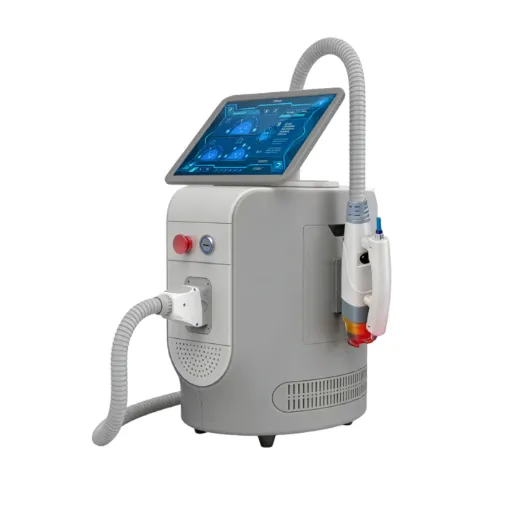
Diode laser machine manufacturers can appear beside suppliers of laser bars, modules, factory tools, and other medical devices. These products serve different tasks. This guide covers complete professional diode hair removal systems for clinics and aesthetic practices. Check the product’s stated light source and intended use. A supplier of laser chips or bars may have no role in building the complete treatment device. Two hair removal systems can also use different laser sources even when their listed wavelengths overlap. Illustrative scenario: A buyer collects three links: a laser-bar catalog, a dual-source hair removal machine, and a complete diode platform. Before requesting prices, they separate components from finished devices and check each platform’s light source. The shortlist becomes easier to compare because its entries now answer the same purchasing task. Use our diode wavelength comparison to prepare technical questions. Still check the device documents. A wavelength number alone does not identify the laser source or prove equal clinical results.
When checking diode laser machine manufacturers, compare the website’s brand with the legal manufacturer on the device label. Record who issues the quote and who handles repairs. Ask the seller to explain how those roles connect. A brand owner, an original equipment manufacturer (OEM), and a local distributor may each handle part of the sale. An original design manufacturer (ODM) may also help design the device. Get each party’s duties in writing; don’t infer them from a website address.
Each listed brand publishes information about a named diode hair removal product or range. Use it to start comparing diode laser machine manufacturers. We have not audited the factories or verified each model’s market status. Public pages alone do not prove local stock, factory capacity, or service quality.
Keep the same fields for all diode laser machine manufacturers under review. Begin with the product family and its official source, then record the details you still need from the seller.
| Brand | Published Diode Hair Removal Platform | First Question to Resolve |
|---|---|---|
| ADSS | FG 2000-D | Which version and accessories does the quote cover? |
| Alma | Soprano Titanium Special Edition | Which applicator package and local support apply? |
| Asclepion | MeDioStar | Which regional version and handpieces are offered? |
| Cynosure | Vectus | Is the proposed version available and supported locally? |
| Fotromed | LaseSmooth Pro | Which specification version matches the quoted unit? |
| LaserTell | DepiMEDiX and EpiMED ranges | Which model, documents, and service terms apply? |
| Lumenis | LightSheer QUATTRO | Which wavelength and handpiece package is supplied? |
| Nubway | ST808-H | What do the quoted power fields measure? |
| Sciton | BARE HR | Which handpieces and local service package are included? |
Official sources appear in the profiles below. The order is alphabetical and the questions are purchasing prompts, not claims that a supplier lacks a capability.
Public pages help identify diode laser machine manufacturers and their products. Your purchase still needs documents for the exact model and a written agreement. A page can remain online even when a seller does not stock that version in your country. Mark each field as “published,” “document supplied,” or “not yet confirmed.” Keep the source date and version beside it. Check the evidence before treating a company claim as part of your order.
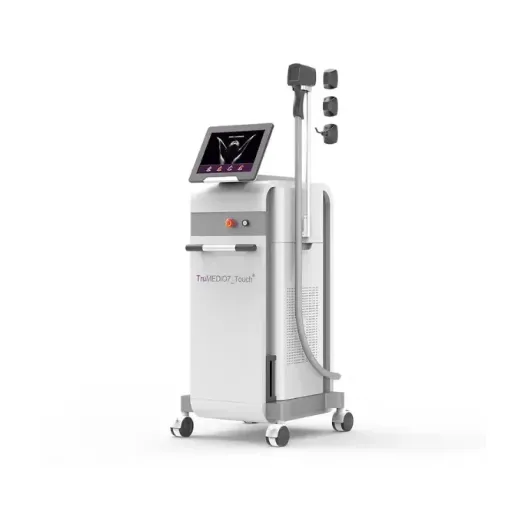
ADSS publishes a named FG 2000-D diode hair removal product page. That gives buyers a concrete platform to investigate instead of relying on a broad company description. Ask the seller to match the quote to the current model sheet, handpieces, and accessories. Check the label’s manufacturer name and the repair route. For buyers comparing diode laser machine manufacturers, the exact device setup is more useful than an unverified claim about factory size. Request the training scope and device documents for your market before treating the package as ready for procurement. A different version should receive its own entry in your comparison worksheet.
Alma’s Soprano Titanium Special Edition page describes multi-wavelength diode technology. It lists 755nm, 810nm, and 1064nm, and identifies a Trio MAX applicator with a 4cm² spot. These are product-specific published details, not proof that another three-wavelength device performs the same way. Follow the page’s clinical links to the original studies. Check which device, method, and patient group each study covers before drawing a conclusion. For the purchase itself, confirm the offered applicators, operator training, and local service agreement. When comparing diode laser machine manufacturers, keep those contract details beside the technical features instead of assuming one standard package.
Asclepion’s US MeDioStar page presents several handpiece options. Its published Monolith L and XL spot areas are 3.0cm² and 10cm², respectively. The US page also lists an 810/940nm wavelength combination for those handpieces. Record the region, model generation, and handpiece beside each specification. Don’t combine fields from different brochures into a setup that neither source describes. Ask which handpieces are in the quote and how they fit your planned workflow. The listed spot area helps define the package, but it does not by itself establish treatment speed or a ranking among diode laser machine manufacturers.
Cynosure’s official Vectus product page explicitly describes diode technology. It also provides clinical-data and accessory sections, giving the buyer a named platform and further evidence to investigate. Keep Vectus separate from other products sold under the same broader brand. A company can offer multiple light-based technologies, so a general brand description is not enough to classify a particular machine. Confirm current local availability, the supported version, and the handpiece and service package in writing. Public information identifies a candidate; it does not establish that your local seller can supply every configuration or provide the same contract terms.
Fotromed publishes a LaseSmooth Pro diode hair removal page. The reviewed page contains both three- and four-wavelength descriptions, alongside differing durability-related wording. These differences need clarification against the exact unit offered. Ask for one dated specification sheet matching the quote, model label, and handpiece. Different web descriptions do not prove a hardware fault. Ask which version is being offered before you use its numbers. This is a practical check for all diode laser machine manufacturers: resolve version differences before comparing performance claims. Any regulatory wording on a seller’s page also needs model-specific verification for the market where the device will be used. Illustrative scenario: Two suppliers present different power numbers. The buyer discovers that one number describes total device power while the other describes handpiece output. They request matching definitions and test conditions before judging the figures, avoiding a comparison between different measurements.
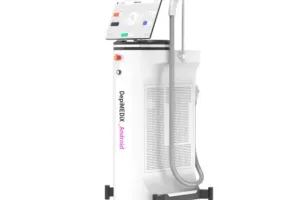
LaserTell’s diode catalog, linked above, presents DepiMEDiX and EpiMED product ranges. Use the specific model entry to request the configuration you are considering. Confirm which wavelength package, handpieces, and software version the written offer includes. Apply the same checks to LaserTell that you use for other diode laser machine manufacturers. Request the model documents, training scope, warranty exclusions, and repair arrangements for your market. General statements about the company cannot replace those purchase details. LaserTell publishes this guide and is a candidate supplier. This entry is not a third-party recommendation. Request a written proposal so you can compare the same package across suppliers.
Lumenis describes LightSheer QUATTRO as a diode workstation with 805nm and 1060nm wavelengths. Its product page explains its technologies and links to clinical publications. Preserve the official 1060nm value rather than replacing it with a different brand’s 1064nm specification. Request the wavelength and handpiece combination included in your offer, together with the relevant instructions for use. Read the original studies for their device and patient scope; a paper about one platform does not validate every system in the category.
Nubway’s New Generation Diode Laser-Android page identifies the ST808-H. It lists total power of 2500W and handpiece output power of 1600W. The two fields describe different measurements and should remain separate in your notes. Ask what each rating means, how it is measured, and which setup it covers. Request a specification sheet and service terms for that model. Ask diode laser machine manufacturers to define each power field, then compare like with like. Also confirm included tips, software functions, maintenance needs, and training. These details define the package you will operate and the support you must arrange.
Sciton’s official BARE HR explanation identifies the platform as diode-based. It describes an 810nm handpiece and a blend handpiece delivering 810nm, 940nm, and 1060nm. Keep those handpieces separate in your quote request. Confirm which one is supplied, what training is included, and who handles local service. The public page identifies a diode product; it does not prove better clinical results than another brand. As with other diode laser machine manufacturers, use the official product information to form questions. Obtain the current model documents and contract details before finalizing the comparison.
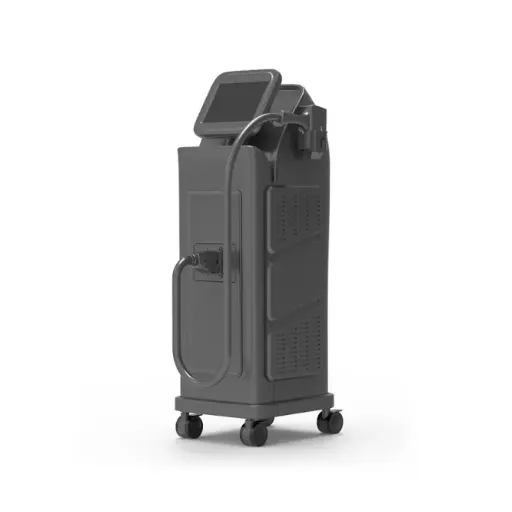
For each candidate, request the label, current instructions for use, and documents for your market. Check the manufacturer name, model, and version against the quote. Ask the seller to explain any mismatch. Your check of diode laser machine manufacturers should record who sells the unit and who repairs it. Ask for the legal company names and how they work together. Who will help if a part fails? Put that answer beside the warranty terms.
The FDA explains that establishment registration and device listing do not mean clearance or approval. A registration certificate alone therefore does not settle the status of a proposed device. For a device requiring 510(k) clearance, check the supplied record in the FDA’s 510(k) database. Match the entry to the model and documents you receive. We have not audited the regulatory status of the listed devices. Ask LaserTell for model-specific compliance documents as part of the same process. The existence of a certificate page is a starting point for verification, not proof that every device meets every market requirement.
Before comparing diode laser machine manufacturers on technical figures, define what each figure measures. Record optical output versus electrical input, spot size, pulse settings, and cooling performance under a stated workload. Ask for the test conditions and model version.
A clinic’s check of diode laser machine manufacturers should name the people who handle training and repairs. Ask about the training method, staff covered, and repair location. What happens if a handpiece needs service during a booked week? Check device and handpiece cover separately. Record the terms for:
Ask for a current quote and written answers. Don’t assume every supplier offers the same cover.
Distributors comparing diode laser machine manufacturers need answers about labels, software languages, packaging, model changes, and sales territories. Ask which changes are possible and which need new documents or approval steps. Discuss LaserTell’s OEM/ODM project requirements if you are considering a private-label order. Request a written scope, sample process, version-control plan, and service agreement for your project. Do not assume that an OEM inquiry includes every customization or a fixed lead time.
Illustrative scenario: A clinic buyer needs operator training and a repair route, while a distributor needs packaging, labeling, and version-control details. Both consider the same platform, but their questions produce different service packages. They compare those packages against their own responsibilities rather than choosing by brand name alone. Keep unanswered questions beside the candidate’s name. A missing document means “not yet confirmed”; it doesn’t prove the seller cannot supply it. Make a clear request and compare the evidence returned.
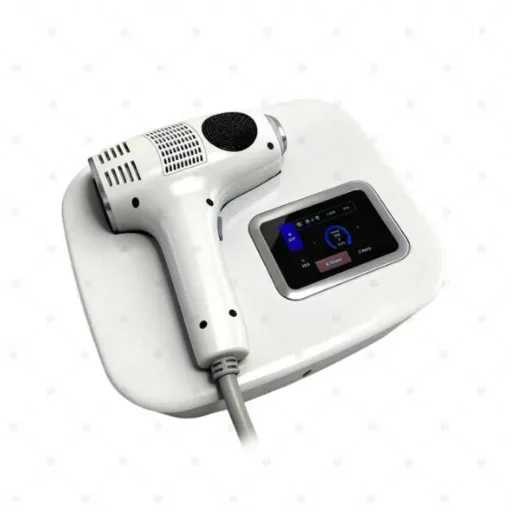
Send diode laser machine manufacturers the same purchasing brief. Name the model, required handpieces, intended market, delivery location, and support needs. This gives each supplier the same task to price and explain.
| Quote Field | Record for All Diode Laser Machine Manufacturers |
|---|---|
| Model and condition | Version, new or used status, and included components |
| Technical package | Light source, defined output figures, handpieces, and tips |
| Documents | Model label, instructions, and applicable market records |
| Training and service | Scope, responsible party, repair location, and extra fees |
| Warranty and parts | Device and handpiece cover, exclusions, and repair transport |
| Commercial terms | Currency, validity, delivery scope, payment, and timing |
Your shortlist of diode laser machine manufacturers should match your needs with written evidence. Mark confirmed details and open questions. Compare installation costs and service terms before accepting an offer. Keep this task focused on supplier choice. A full ownership-cost or clinic-profit model needs more inputs than brand names. Save the quote, device documents, and written answers as one purchase record.
Compare the device’s evidence for your intended use, required workflow, training, and local support. This guide does not rank clinical superiority. The right purchasing decision needs model-specific information and your clinic’s requirements.
They can handle different roles. Confirm the manufacturer on the label, the company issuing the quote, and the party responsible for repairs. Use the contract to establish those responsibilities.
No. Registration and listing do not establish device clearance or approval. Investigate the applicable status for the exact device and market using the official records and supplied documents.
Ask all diode laser machine manufacturers about device and handpiece cover, time or pulse limits, parts, labor, and transport. A longer headline warranty may still cover a different set of costs. Compare the written scope. For your next shortlist, connect diode laser machine manufacturers to specific platforms, model documents, and service responsibilities. Apply the same checks to LaserTell and every other supplier. When you’re ready, request an itemized LaserTell proposal with your market, required configuration, and training or support needs.
 28Oct
 27Oct
 26Oct
 24Oct