Diode Laser Machine Maintenance: A Clinic Planning Guide
Diode laser machine maintenance should follow the exact model’s current instructions for use, with routine operator tasks separated from authorized repairs. Build the schedule from...

An OEM diode laser hair removal machine project starts with a defined base model, a target market, and a written list of changes. Match that scope to the quotation, supporting documents, approved sample, and production agreement before committing to a branded order.
A logo mockup can arrive before anyone agrees who owns the artwork, which handpiece will ship, or what the label must say. Those gaps become harder to resolve after a sample is approved. This guide helps brand owners, distributors, and clinic groups turn an attractive product proposal into a project they can assess and manage.
Key Takeaways
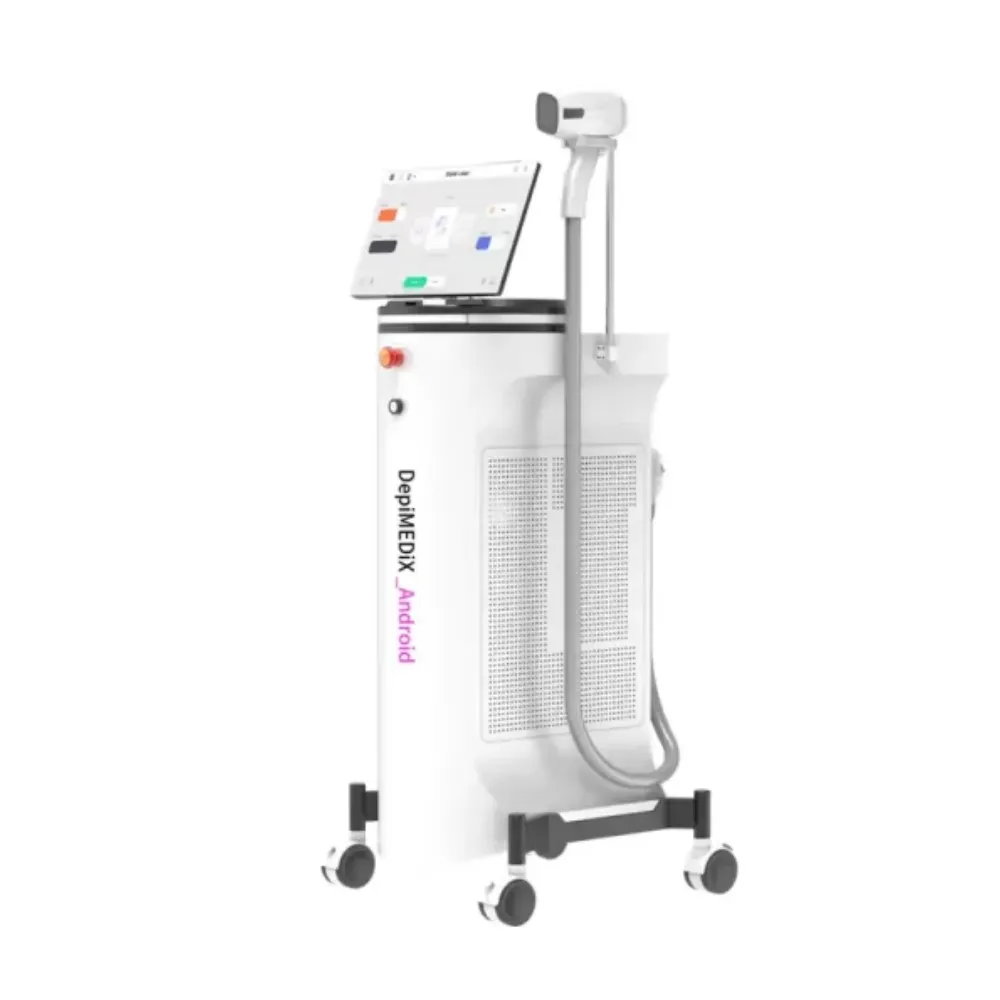
Suppliers use OEM, ODM, and private label to describe different commercial arrangements. For purchasing purposes, ask what each term includes in the proposal. An existing platform with your logo is a different scope from a new enclosure, software work, or a jointly developed design.
An OEM diode laser hair removal machine brief should identify the starting product and each requested change. Mark items as included, optional, excluded, or awaiting confirmation. This keeps a broad phrase such as “full customization” from becoming the only description of the work.
Before requesting a quote, prepare your target market, intended professional setting, base configuration, branding files, and open questions. Ask the supplier which inputs it needs to assess the project. That is a useful first step even when order quantity is still under discussion.
Record the proposed model, handpiece, software version where relevant, accessories, and document set. Use consistent identifiers in the quotation and project file. Two machines may look alike. That doesn’t show they share the same parts or evidence.
For an OEM diode laser hair removal machine, distinguish the baseline specification from the finished branded configuration. Keep both versions so reviewers can see what changed. Avoid replacing a detailed specification with a photograph of the sample.
Illustrative scenario: A distributor approves a logo image but has not agreed on the legal names and roles shown on the device label. The team pauses label artwork approval and asks its market reviewer to resolve the wording. This is a fictional document-control example, not a completed customer project.
Give each part of the OEM diode laser hair removal machine project an owner: buying, design, technical review, and market requirements. Record which decisions need joint review and who can approve a change. One contact can coordinate the project without being qualified to settle every technical or regulatory issue.
A workable OEM diode laser hair removal machine plan also records who owns artwork, design files, molds, and any agreed exclusivity. Put territorial scope, duration, and exceptions into the contract where applicable. Do not infer exclusive rights from a custom color or a private-label name.
LaserTell’s company page and OEM overview lists shell logos, packaging, and software-interface branding among its options. Confirm which options apply to the proposed model and order. The page’s branding offer does not establish that all engineering, tooling, translation, or market-review work is free.
For an OEM diode laser hair removal machine, request artwork requirements, file formats, placement, language scope, and the approval process. Ask which screens and package surfaces are included. Keep final artwork versions linked to the order so a later repeat order does not use an outdated file.
Treat translated warnings and instructions differently from a decorative startup logo. Assign review to people who can check the meaning and its fit with the applicable documents. A polished interface is not evidence that its instructions are complete or correct.
Ask the supplier to identify changes affecting the enclosure, controls, handpiece, software functions, accessories, or intended use. Ask the review team which documents and checks must change. Do not assume a small-looking change has no effect on the project file.
| Requested item | Baseline to identify | Question before approval |
|---|---|---|
| Logo and packaging | Approved model and label set | Which surfaces and versions are included? |
| Interface language | Software and instructions | Who checks meaning and consistency? |
| Enclosure design | Existing housing and components | What review or testing is required? |
| Handpiece or accessories | Exact part identifiers | Which documents and checks change? |
| Software function | Controlled software version | Who approves the change and its evidence? |
This matrix is a purchasing tool for an OEM diode laser hair removal machine, not a technical test protocol. It helps the team identify the evidence required for each request. The actual tests and acceptance limits must come from the responsible technical process.
Do not infer clinical suitability from wavelength count, a cooling display, or a branded case. Ask which named configuration the supporting evidence covers. A study of another manufacturer’s device does not validate the proposed system.
Our diode laser cooling system guide provides questions about cooling documentation. For the OEM diode laser hair removal machine project itself, record the agreed configuration and the limits of each claim. This guide supplies no patient treatment settings or universal performance guarantee.
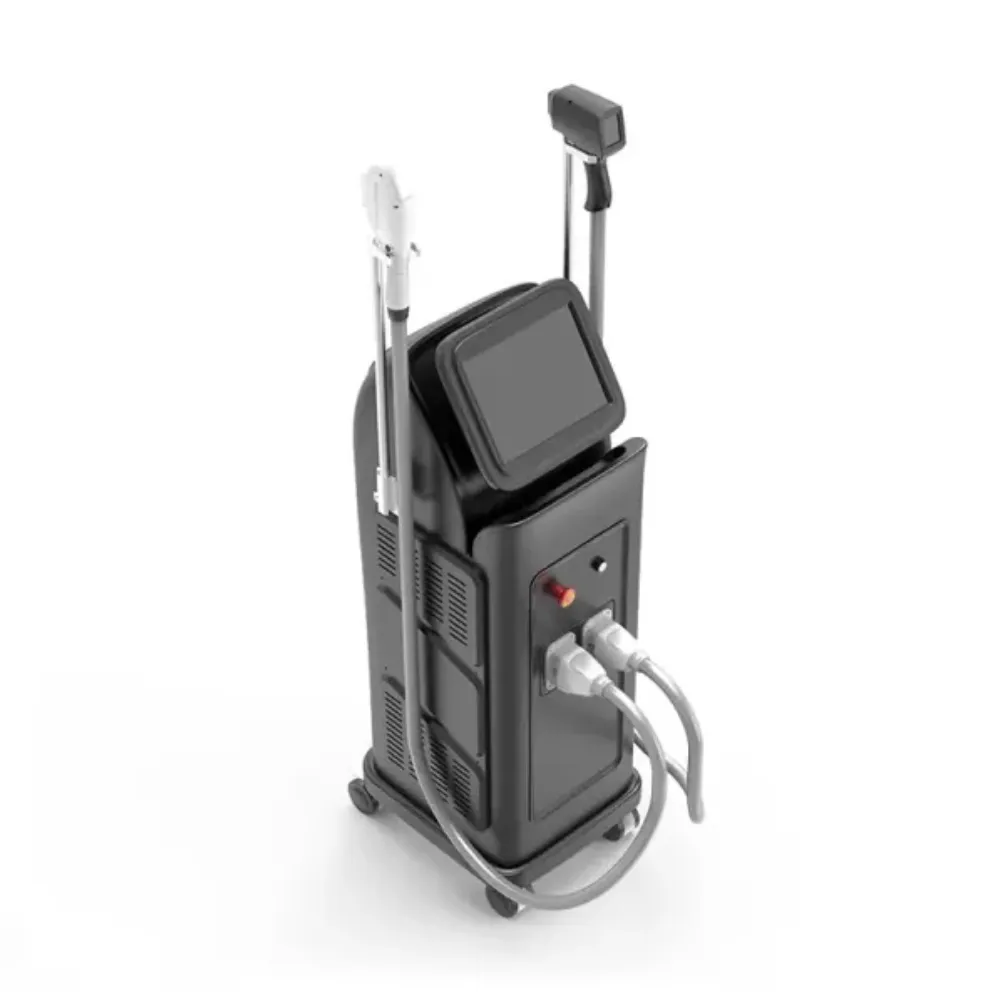
Request an indexed document list for the proposed device and market. Identify the applicable instructions for use, labeling, technical information, and evidence supporting market access. Ask the supplier to explain any difference between the names or configurations shown across those records.
An OEM diode laser hair removal machine file should make it possible to trace a claim to a specific document. A certificate image with no clear model, scope, issuer, or validity information leaves questions open. Keep those questions visible rather than marking the whole file complete.
Use a document tracker with the title, identifier, revision, supplied date, reviewer, and status. The supplier sends the document. The reviewer checks whether it answers the question. This separation prevents “received” from being mistaken for “accepted.”
For the United States, FDA explains that establishment registration and device listing do not mean approval, clearance, or authorization. FDA also does not issue device-registration certificates. Do not use a registration claim as a substitute for checking the applicable product requirements.
For an OEM diode laser hair removal machine intended for the US market, ask a qualified reviewer to identify the relevant device records and their scope. Have that person check the actual model and proposed changes. This article does not establish that any LaserTell configuration has a particular US market status.
Other markets have their own requirements. Do not treat the US discussion as a global checklist or use one market’s paperwork to settle another market’s access questions.
The FDA activity-based registration guidance distinguishes establishment roles. It notes that merely adding a company’s name without changing original labeling does not make that establishment a relabeler. A private-label project therefore needs review of actual activities rather than a blanket assumption about the buyer’s role.
FDA’s Quality Management System Regulation became effective on February 2, 2026. It incorporates ISO 13485:2016 by reference within the revised framework. A quality-system document and evidence of a specific product’s market status answer different questions.
Keep the OEM diode laser hair removal machine responsibility agreement aligned with the reviewed roles. Identify who maintains records, handles changes, receives complaints, and coordinates required actions. Commercial terms should support that allocation; they do not replace the applicable obligations.
Agree whether the sample is a standard demonstration unit, a branded prototype, or the proposed production configuration. Record deviations from the planned finished device. A sample with temporary artwork or a different accessory should not silently become the reference for everything that follows.
Before ordering an OEM diode laser hair removal machine sample, agree on its purpose and the review process. Specify the documents to accompany it and the people who assess it. Clarify what happens if the sample needs changes and whether another review is included in the quotation.
Set measurable acceptance criteria through the responsible technical and quality teams. Include identity, configuration, artwork, documents, and agreed functional checks as relevant. This guide does not invent electrical, optical, or clinical test thresholds.
Keep an OEM diode laser hair removal machine sample record with its ID, date, version, results, open items, and approvals. Separate accepted items from open issues. Record who can close each open item. A message saying “looks good” may be useful feedback, but it is a weak substitute for an agreed acceptance record.
Illustrative scenario: A brand approves a sample, then the supplier proposes a different handpiece for production. The buyer asks for a documented change review covering compatibility, evidence, instructions, and acceptance checks. The fictional example assumes no performance equivalence or clinical result.
For an OEM diode laser hair removal machine, preserve the approved specification and sample record alongside the production order. This gives both parties a shared reference when a later question arises. Keep the reference current through controlled changes rather than informal substitutions.
Agree how proposed component, software, artwork, and document changes are communicated. Identify who assesses the effect and who must approve before implementation. Include how the change is linked to affected orders or equipment identifiers.
A repeat OEM diode laser hair removal machine order should name the agreed version. Ask whether any differences have arisen since the last batch. An unchanged sales name does not establish an unchanged configuration.
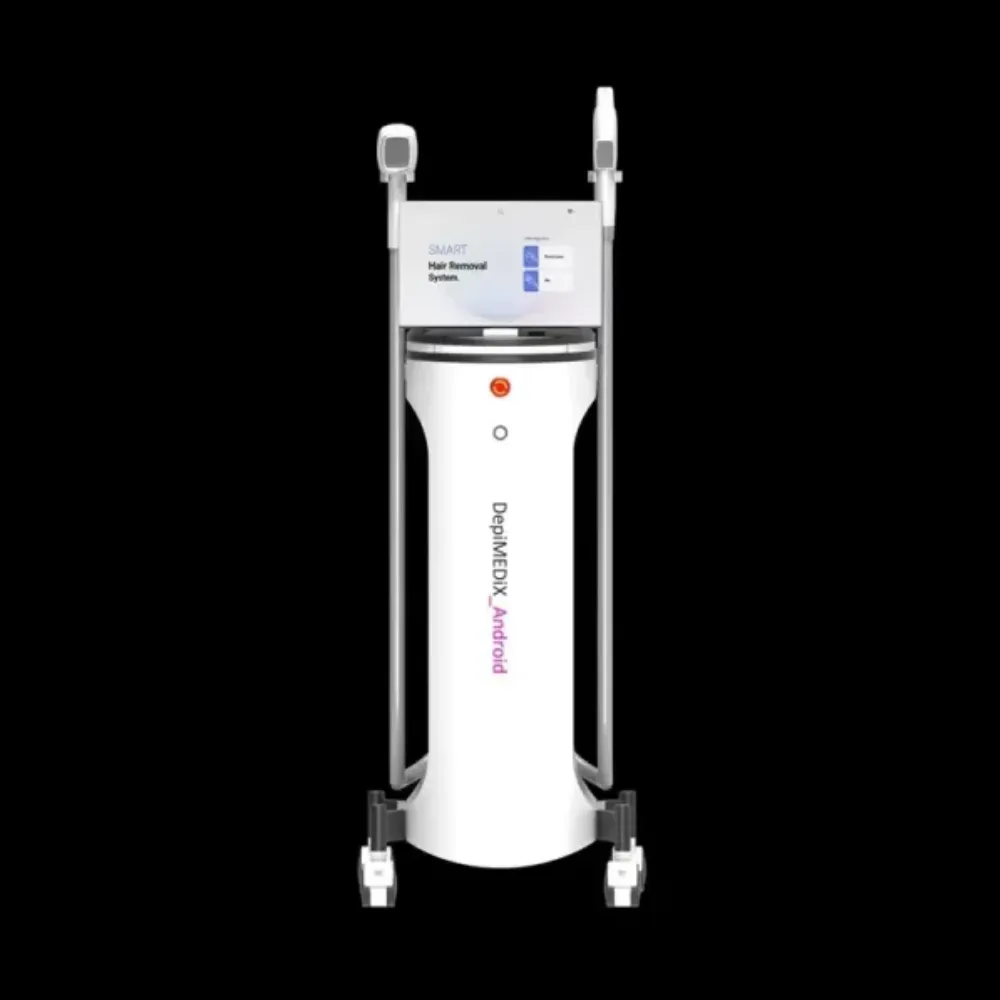
Ask for the minimum order quantity, or MOQ, for your OEM diode laser hair removal machine scope. Separate the sample requirement from a production minimum. Do not assume that a supplier’s threshold for a new enclosure also applies to a logo-only order.
An OEM diode laser hair removal machine quotation should show which costs are included and which remain conditional. Use actual written inputs rather than a claimed industry average. An inexpensive base unit can still leave important project work outside the quoted scope.
| Cost item | Written answer to request |
|---|---|
| Base equipment | Model, configuration, accessories, and quantity |
| Sample | Price, scope, shipping, and any credit conditions |
| Design and tooling | Deliverables, ownership, and revision limits |
| Artwork and translation | Included files, languages, and review scope |
| Testing and documents | Required work, responsible party, and exclusions |
| Delivery and support | Freight, payment terms, parts, and service scope |
A lead time needs a clear start and end. Ask whether the quoted period starts after payment, artwork approval, specification approval, or another milestone. Distinguish factory dispatch from arrival and readiness for use.
Illustrative scenario: A buyer uses an advertised standard-model dispatch time to plan a customized launch. The project coordinator asks for a new schedule covering artwork approval, the sample, outstanding reviews, and production. This fictional planning correction does not establish a promised delivery date.
For an OEM diode laser hair removal machine, write dependencies beside the milestone they affect. Include who supplies each input and how revisions change the schedule. Do not hide unresolved document work behind a single estimated shipping date.
Clarify payment milestones, inspection arrangements, freight responsibilities, and how disputed items are handled. Use terms reviewed for the transaction rather than relying on a general blog template. Keep the quote and its exclusions with the final spec.
This guide has not verified a LaserTell MOQ, sample fee, custom-project lead time, or complete project price. Request those terms for your OEM diode laser hair removal machine scope. Do not infer them from another company’s offer or a standard-equipment listing.
For your OEM diode laser hair removal machine order, agree what training, manuals, parts details, and service contacts come with it. State who the training is for and what it covers. A sales demonstration should not be recorded as a clinical qualification or authorization to perform repairs.
For an OEM diode laser hair removal machine, ask how replacement parts are identified and how compatibility is confirmed. Record the maintenance documents applicable to the delivered configuration. A new handpiece or software version may require a review of those records.
The LaserTell diode equipment catalog can help identify a base product for discussion. Request the model-specific document set and a written support proposal. The catalog alone does not establish the terms of your private-label agreement.
Ask for the warranty scope, exclusions, claim process, shipping responsibility, and any service-response commitments in writing. Distinguish an acknowledgement target from a repair or replacement deadline. Do not assume a turnaround time that the supplier has not agreed.
Keep an issue-reporting route for operators, the brand owner, and the supplier. Identify who receives complaints, preserves relevant records, and coordinates review or action. Link field changes and service updates back to the controlled configuration.
A well-documented OEM diode laser hair removal machine agreement makes these responsibilities easier to follow. It does not guarantee profit, a particular device lifespan, or an injury-free clinical outcome. Those claims need their own evidence and cannot be created by branding.
Ask the supplier to define the actual work. Existing-platform branding, design changes, and new development can have different deliverables. Use the written scope to compare offers rather than treating the labels as a universal contract definition.
No. Confirm the offer’s scope and conditions. Tooling, engineering, translation, testing, and logistics may be separate or unresolved items; obtain a written quotation rather than assuming they are included.
Only the agreed record explains what was approved. Keep the specification, exceptions, and change process attached to the production order. Review later substitutions before carrying approval forward.
No. Registration and listing do not establish clearance or authorization. Have a qualified reviewer check the applicable product requirements and records for the actual configuration and market.
Prepare the intended market, base model, customization list, planned quantity, document questions, and sample-review needs. Assign the people who can approve technical, commercial, and compliance decisions.
To discuss an OEM diode laser hair removal machine project, contact LaserTell with that scope and request an itemized proposal. Confirm customization, documents, sample approval, production changes, and support in writing. A useful next step is a clear project file that both parties can review, with open questions still visible.
 24Oct
 23Oct
 23Oct
 22Oct