How Cryolipolysis Works and What to Look for in a Fat Freezing Machine
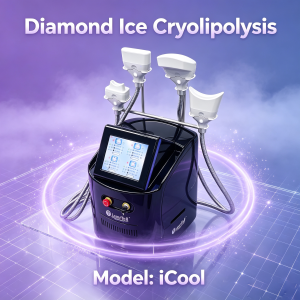
If you run an aesthetic clinic, a medical spa, or a body-contouring studio, you have watched demand for non-surgical fat reduction grow. Clients want visible...

In the dynamic field of aesthetic medicine, Pico Q-Switch Nd:YAG Laser stands out as a revolutionary technology. It provide non-invasive, high-precision solutions for tattoo removal, pigmentation correction, and skin rejuvenation. This article will delve into the scientific principles, technical specifications, multi-wavelength application strategies, unique advantages and the significance of portable models of this laser.
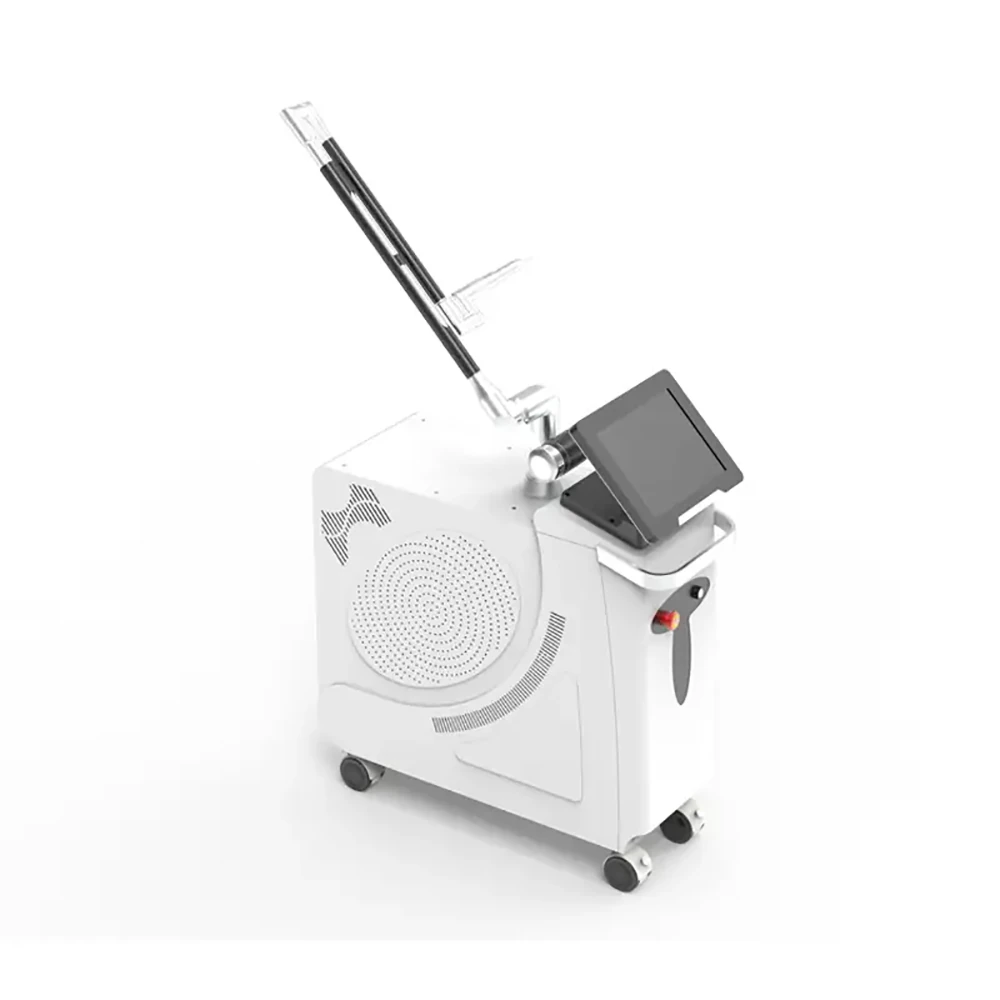
In the realm of physics, a picosecond is an extremely short unit of time, equivalent to 10^-12 seconds or one trillionth of a second. This ultra-short time frame is the cornerstone of picosecond laser technology. (Source: https://www.rp-photonics.com/picosecond_lasers.html)
Traditional Q-switched lasers have been widely used in the past, operating in nanoseconds (one billionth of a second). While effective to some extent, they rely mainly on the photothermal effect, heating the target pigment to break it down. In contrast, the picosecond laser, often sourced from a reputable picosure laser supplier, operates 1,000 times faster.
The picosecond laser’s ultra-short pulse duration creates a photomechanical or photoacoustic effect. Instead of simply heating the target (such as tattoo ink or melanin), the rapid energy delivery causes the target to expand suddenly and shatter into microscopic particles. These tiny particles are then easily processed and eliminated by the body’s lymphatic system, minimizing thermal damage to the surrounding tissue. For a picosure laser supplier, offering technology that reduces thermal damage is a major selling point as it leads to faster patient recovery and fewer side effects.
When evaluating a Pico Q-Switch Nd:YAG Laser device, whether it is a stationary unit or a picosure laser, technical specifications play a vital role in determining the clinical outcome. Professional picosure laser clinics prioritize these specs to customize treatments based on skin type (Fitzpatrick scale) and pigment depth.
| Feature | Specification Details |
| Wavelengths | 1064nm, 532nm, 755nm, 1320nm |
| Pulse Width | 450ps (Picoseconds) |
| Spot Size | 2 – 10mm (Adjustable) |
| Frequency | 1 – 10Hz (Adjustable) |
| Single Pulse Energy | 1064nm: 100 – 1200mj; 532nm: 100 – 600mj |
| Double Pulse Energy | 1064nm: Up to 2400mj |
| Peak Power | 1064nm: 1.75GW; 532nm: 0.85GW |
| Laser Delivery | South Korea 7-Jointed Articulated Arm |
| Cooling System | Italy Water Pump + Pure Copper Radiator |
| Weight | 80kg (Standard Unit) |
The Pico Q-Switch Nd:YAG laser’s ability to utilize multiple wavelengths is a significant advantage. A high-quality picosure laser supplier ensures that their machines are equipped with the following wavelengths for comprehensive skin treatment:
Target Pigments: Targeting the “warm” end of the spectrum, the 532nm wavelength is highly effective for red, orange, and yellow tattoo inks.
Skin Cleansing and Brightening: By applying a carbon slurry to the skin, the 1320nm wavelength helps in deep pore cleansing, oil control, and skin brightening. It is often used in procedures like the “Black Doll” or “Carbon Peel” treatment.
In a competitive market, understanding the internal components of a Pico Q-Switch Nd:YAG Laser can help you distinguish a premium machine from a generic one. When talking to a picosure laser supplier, inquire about the following key components:
Stability: The laser resonator, often using Beamtech technology, maintains excellent stability across different energy levels. This ensures that the beam does not “hot spot” or fluctuate, which could otherwise cause burns on the patient’s skin.
Precision and Ease of Use: The delivery system is crucial for accurate treatment. A Korean-imported 7-jointed articulated arm provides 360° rotation and ensures maximum beam transmittance (>95%). This allows practitioners in picosure laser clinics to operate with precision and without fatigue, even during long treatment sessions.
Laser Longevity: Heat is a major enemy of laser longevity. The Hydrocool Pico2’s cooling system uses an Italy Water Pump and Pure Copper Radiators, coupled with Japanese Explosion-proof Water Pipes. This combination allows the machine to operate continuously in high-volume clinics without overheating, ensuring consistent performance over time.
Longevity and Consistency: The flashlamp, configured as a Double Rod Double Lamp, provides a longer lifespan and more consistent energy discharge compared to budget alternatives. This reduces the need for frequent lamp replacements, saving on maintenance costs in the long run.
Power for Stubborn Pigments: This feature allows the machine to reach a peak power of 1.75GW, which is necessary for shattering stubborn pigments that traditional lasers cannot effectively treat. Whether you are looking for a full-sized station or a picosure portable laser, these components ensure that the “Picosecond” promise of efficient pigment removal is actually delivered.
Skin Remodeling: Using the fractional 755nm or 1064nm heads, picosure laser clinics can offer “skin remodeling” treatments. The pressure waves created by the laser generate tiny vacuoles in the dermis, triggering a healing response. This response fills in acne scars and smooths fine lines, often marketed as the “Pico Toning” or “Carbon Peel” procedure, resulting in a more youthful and radiant “glass skin” appearance.
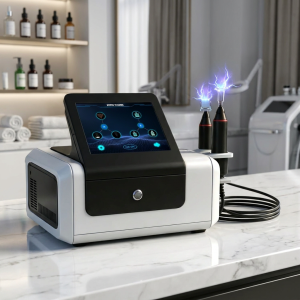
Not every clinic has the space for an 80kg floor-standing Pico Q-Switch Nd:YAG Laser unit. The picosure portable laser has emerged as a game-changer for mobile practitioners and smaller boutique med-spas, offering flexibility and convenience without compromising on performance.
In the past, portability often meant a reduction in power. However, modern engineering has allowed a picosure laser supplier to condense the power supply and cooling systems of portable lasers without significant loss of energy.
| Feature | Traditional Q-Switch (Nanosecond) | Pico Q-Switch (Picosecond) |
| Pulse Duration | 5 – 20 Nanoseconds | 450 – 750 Picoseconds |
| Primary Effect | Photothermal (Heat) | Photomechanical (Pressure) |
| Pain Level | Moderate to High | Low to Moderate |
| Tattoo Removal | 10 – 15 Sessions | 4 – 6 Sessions |
| Recovery Time | 7 – 14 Days | 2 – 24 Hours |
This comparative data clearly shows why picosure laser clinics are experiencing a higher Return on Investment (ROI). Although the initial cost of the picosecond laser machine may be higher when purchased from a picosure laser supplier, its ability to clear pigment in half the time allows for higher patient turnover and higher satisfaction rates, ultimately leading to greater profitability in the long run.
A: While not routinely needed due to the fast pulse speed, a topical anesthetic may be administered to increase patient comfort, especially for large tattoos or sensitive areas.
A: There is virtually no downtime. Patients may experience erythema (redness) and slight swelling that typically resolves within a few hours to 24 hours. Most people return to work immediately.
A: Most unwanted pigment and tattoos will significantly lighten or clear in 2-3 sessions. Complex, multi-colored tattoos may require 5-6 sessions.
A: Laser light treatment is appropriate for treating age spots, sun damage, and freckles on the face, neck, chest, arms, hands, legs, and feet. It also handles man-made pigments like eyebrow lines and lip lines.
A: Most people experience a mild, sun-burn like sensation, possibly accompanied by some minor swelling, immediately following the treatment.
A: Yes, especially when using the 1064nm wavelength. Because the picosecond laser minimizes heat, there is a much lower risk of Post-Inflammatory Hyperpigmentation (PIH) compared to older lasers. Always consult your picosure laser supplier for specific settings for Fitzpatrick IV-VI skin.
The skin second Q opening Nd:YAG is a radical innovation in medical aesthetics and skin care. Its unique skin technology, multi-wave long-term strategy, multi-property, use of its construction, body removal, pigmentation, corrective skin reproduction area, and additional features. When choosing a picosure optical device for sale, you must consider its technical specifications, internal specifications and commercial reputation, and ensure that you invest in one unit with high quality and high flexibility. No selection is needed, as it is a large, stationary picosecond laser system. This technology has great potential to support in-clinic treatments, improve patient outcomes from start to finish, and strengthen its presence as the aesthetic medical market continues to expand.
 23Sep
23Sep
 18Sep
18Sep
 17Sep
17Sep