How a Body Slimming Machine Works: Heat, Vacuum and Ultrasound Explained
Key Takeaways What a Body Slimming Machine Actually Does If you ask a practitioner what body contouring means, the answer may surprise you: nobody is...

Fractional CO2 laser machine maintenance should follow the current instructions for the exact model, with clear roles for operator care and authorized service. Build your plan around those instructions, the fitted accessories, a fault log, and written service terms.
A maintenance folder can look complete while missing the document that matters: the instructions for the handpiece now in use. If you manage clinic equipment, you need a way to spot that gap before a task is due. This guide shows how to organize the documents, questions, and records that support a model-specific plan.
Key Takeaways
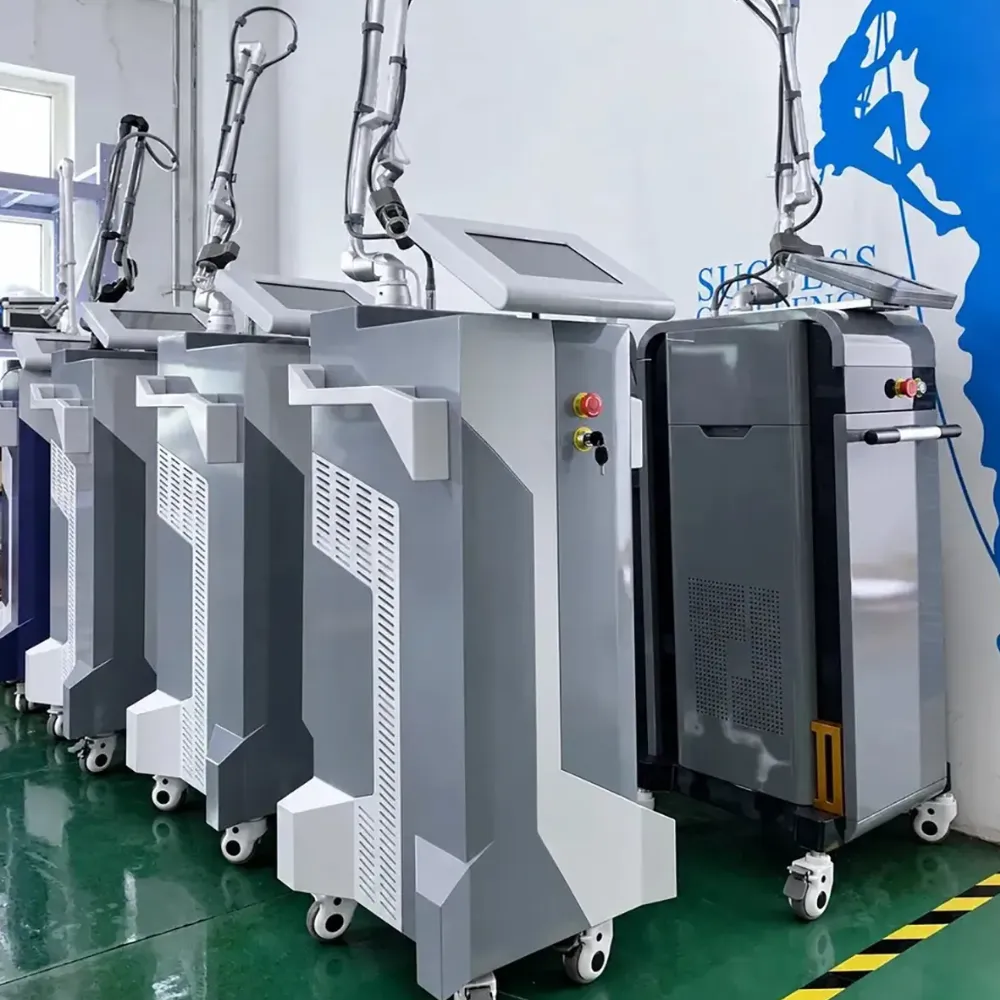
Start with the device identity. Your fractional CO2 laser machine maintenance file should name the model, serial number, installed accessories, and instructions for use, or IFU. Add the version of each document so staff can check that they are using the right copy.
For fractional CO2 laser machine maintenance, list each handpiece and scanner separately. Ask which instructions apply to the supplied parts.
The FDA’s medical laser overview describes medical lasers as devices that use focused light to treat or remove tissue. It also identifies risks associated with their use. That context makes a medical-device document set more relevant than an industrial cutting-machine checklist.
Illustrative scenario: A clinic adds a handpiece to an existing platform. Its equipment folder still contains only the original console guide. The manager asks for the new accessory’s instructions and updates the task list before assigning its care to staff.
Fractional CO2 laser machine maintenance is easier to manage when each task has an owner and a source. Do not assign a task to clinic staff simply because an online guide calls it routine. Check who the manufacturer permits to perform it and what training is required.
Use a task matrix to make the distinction visible:
| Task Area | Document to Check | Responsibility to Confirm |
|---|---|---|
| External care | Console IFU | Trained operator or other named staff |
| Accessory care | Exact accessory instructions | Staff trained for the stated process |
| Internal repair | Manufacturer service requirements | Authorized technical personnel |
| Performance checks | Model-specific service plan | Person qualified for those checks |
| Records | Facility procedure | Named equipment manager |
These categories are a planning aid, not permission to perform a procedure. The task description and its limits must come from the applicable instructions.
If you are comparing LaserTell fractional CO2 laser systems, prepare a model and accessory list first. Use it to ask which maintenance documents and training apply to your proposed configuration before placing an order.
A useful fractional CO2 laser machine maintenance schedule states what is due, when it is due, who can do it, and where the requirement comes from. A date alone leaves too much room for guesswork. Include the document section and any condition that changes the task.
Some requirements may depend on time, use, an inspection result, or an indicator. Confirm the basis for your model rather than creating a universal daily, weekly, and monthly schedule. Where information is missing, mark the item as awaiting a supplier response.
Use a blank template like this:
| Task | Interval or Trigger From IFU | Permitted Person | Record Needed |
|---|---|---|---|
| Enter exact task | Enter stated condition | Enter role | Enter evidence of completion |
| Enter exact task | Enter stated condition | Enter role | Enter evidence of completion |
At handover, ask the supplier to review your fractional CO2 laser machine maintenance template. Keep the source instructions with it; don’t replace them with the checklist.
For fractional CO2 laser machine maintenance, review the schedule when equipment, accessories, or instructions change. Record who checked the update and which tasks were affected. This makes the reason for a change traceable.
Ask which cooling system the supplied model uses and what operator checks are allowed. If a fluid is involved, obtain the approved specification, handling instructions, and service requirements in writing. Do not substitute a generic water-change routine found for another machine.
The same approach applies to room conditions. Request the manufacturer’s requirements for the installation and ask who should assess the site. Keep those answers with the equipment file rather than relying on a remembered sales conversation.
When planning fractional CO2 laser machine maintenance, avoid treating source type as a complete service plan. A description such as RF-excited does not establish that the whole system needs no maintenance. Ask about the console, delivery system, cooling arrangement, and accessories separately.
If the documents conflict, ask the supplier to resolve the difference. Staff should not have to choose between two instructions while a maintenance task is due.
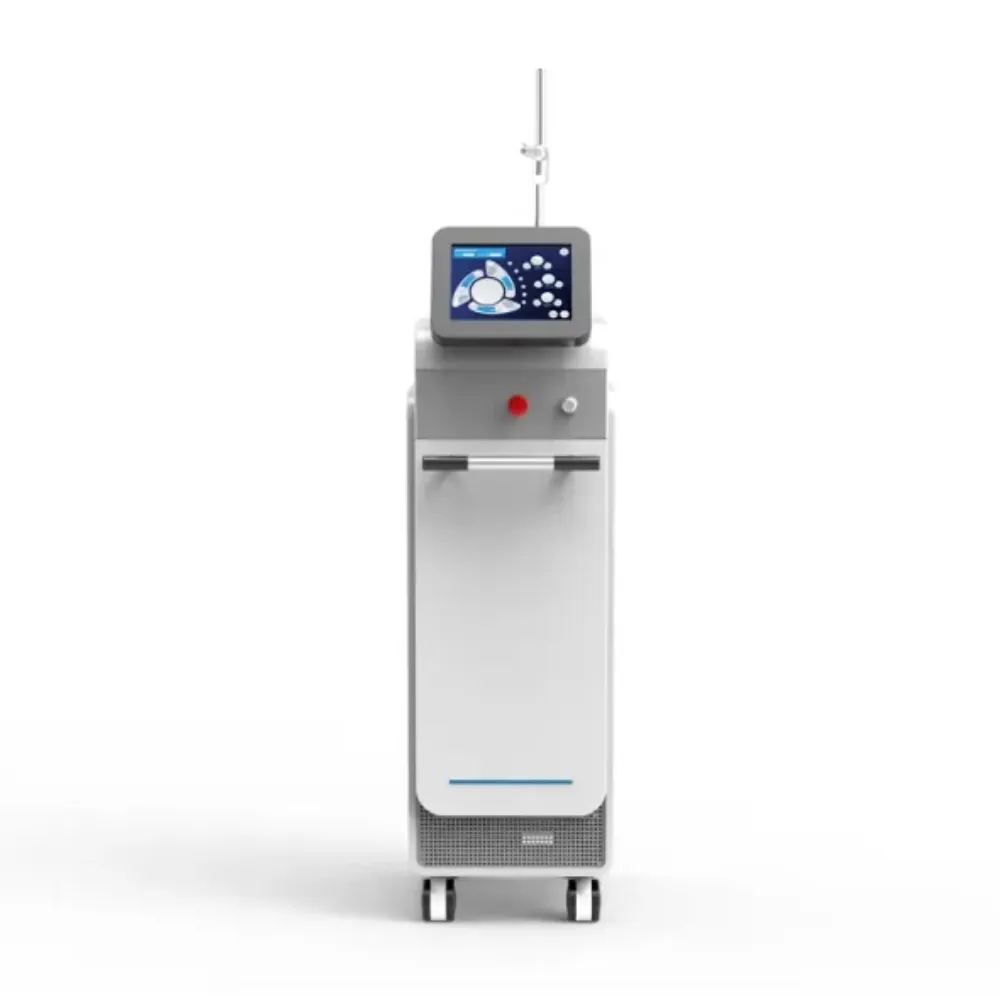
List the parts that staff handle, including the handpiece, scanner, tips, spacers, and any other supplied accessories. Confirm the correct names and part references with the supplier. This helps prevent a care method intended for one component from being applied to another.
For fractional CO2 laser machine maintenance, distinguish cleaning, disinfection, and sterilization questions. Ask which process applies to each part, who may perform it, and which instructions govern it. Do not infer that every accessory tolerates the same chemical, immersion method, or heat process.
Keep each part’s approved method in the fractional CO2 laser machine maintenance file. Confirm single-use parts and their handling rules. Ask about unclear steps before writing a local procedure.
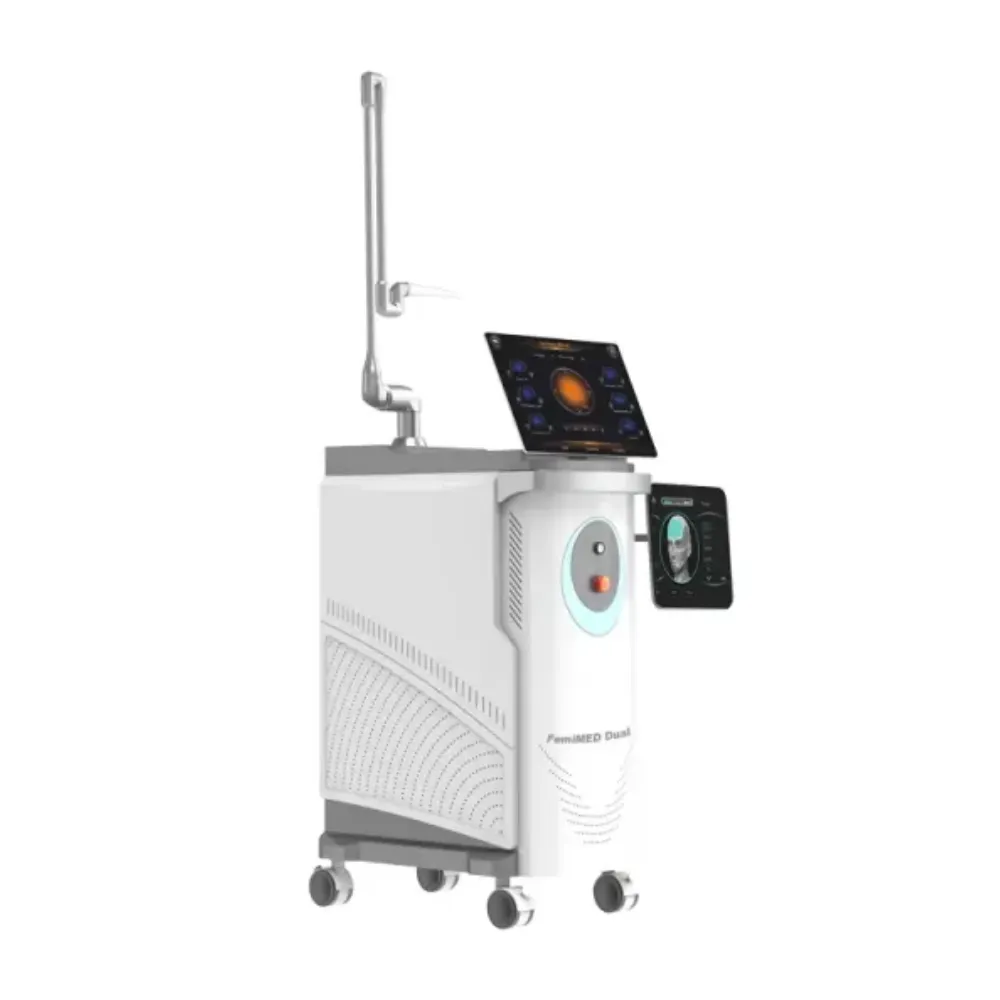
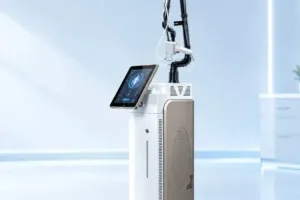
A platform page can help establish the model being discussed. The FemiMED NEO model information, for example, provides a starting point for a LaserTell configuration request. It does not replace the current instructions for the accessories supplied with a particular order.
Your fractional CO2 laser machine maintenance file can reference the smoke evacuation system, but its filter and tubing requirements need their own instructions. Do not assume that servicing the laser also covers the evacuator.
The CCOHS guidance on laser plumes discusses training in plume-system use, servicing, and maintenance. It also addresses filter loading and replacement planning. Those points support keeping clear responsibility for the evacuation equipment alongside the laser’s own plan.
Surgimedics provides the following model-specific training resource through its official multimedia page. It is an example of accessory training material, not a guide to maintaining a FemiMED laser or proof of compatibility with one.
Ask who orders filters, checks the relevant indicators, and records replacements. Keep these duties visible even if different suppliers support the laser and the evacuator.
A fractional CO2 laser machine maintenance fault log gives the service team a clear starting point. For fractional CO2 laser machine maintenance, record the equipment identity, date, exact message or error code, and the circumstances in which the issue appeared. Separate what staff observed from what they think caused it.
Include only checks that the instructions permit and that staff actually performed. Do not fill the record with attempted repairs or undocumented resets. A clear account of the event is more useful than a guessed diagnosis.
A support request can include:
Remove patient-identifying information from photos or screenshots sent for technical support. Use the facility’s approved communication route and ask what supporting information the service provider needs.
Illustrative scenario: A team reports that a machine “is not working,” but the message displayed on screen was not recorded. The manager adds an error-message field to the fault form and asks staff to document future events through the approved process. The example does not assume a diagnosis or repair outcome.
Fractional CO2 laser machine maintenance should include a clear route for reporting problems. Name the person who receives the report, the supplier contact, and the facility role responsible for equipment status. Follow the model instructions and local procedures when deciding whether the device must remain out of use.
Do not open protective covers, adjust the internal optical path, or bypass an interlock as a general troubleshooting step. Such actions are outside this planning guide. Obtain the manufacturer’s direction for the fault and use personnel authorized for the required work.
As one manufacturer example, Lumenis describes certified service engineers and model support on its service page. That illustrates why service qualifications belong in the purchasing discussion. Its terms are specific to Lumenis and do not establish LaserTell’s service arrangements.
Agree on how the service provider will report its findings. Keep the report with the original fault record so that later reviewers can follow the event from observation to resolution.
The phrase “service included” is too broad for a fractional CO2 laser machine maintenance budget. Ask for a written description of the work, the permitted provider, and the report supplied afterward. Confirm whether the quote covers a planned visit, fault repair, or both.
Compare offers using the same questions:
| Quote Item | Question to Resolve |
|---|---|
| Labor | Which tasks and hours are covered? |
| Travel | Are transport, accommodation, or regional fees included? |
| Parts | Which parts are included or excluded? |
| Checks | What model-specific checks and records are provided? |
| Support | What contact and response terms are written into the agreement? |
| Warranty | What conditions and exclusions apply? |
Treat these as questions for a contract review. Do not assume that preventive maintenance includes every repair, accessory, or replacement part.
When comparing fractional CO2 laser machine maintenance offers, ask how the provider establishes its authority and competence for the exact model. Keep that evidence in the service file. A general claim about experience with lasers does not answer every model-specific question.
Build the budget from actual quotes and the documented plan. Separate planned service, consumables, accessory replacement, and possible repair costs. Where a figure is unknown, mark it as open rather than using an unsupported industry average.
Illustrative scenario: A clinic receives a maintenance quote that lists labor but says nothing about travel or replacement parts. The buyer asks for those terms before approval. The example shows a scope gap; it does not claim that one plan saves money or prevents a particular failure.
For fractional CO2 laser machine maintenance, record the period covered by each cost. A purchase price, annual service fee, and price per pack cannot be added meaningfully without consistent assumptions. Note taxes, freight, and currency where relevant to the quote.
Ask what happens if a specified part is no longer available. Obtain the approval route for an alternative and any required checks after replacement. Do not assume that a similar-looking part is an approved substitute.
Give one role responsibility for keeping the equipment file current. Other staff may perform tasks, but someone should check that the instructions, training records, and supplier contacts are still correct. Name a backup so the process does not depend on one person being present.
A fractional CO2 laser machine maintenance record can bring these items together:
Keep old documents apart from the current copy. Follow the clinic’s record policy for retaining them. Staff shouldn’t have to guess which instructions to use.
When duties change, review training as well as the task list. Ask new staff to identify the relevant documents and the reporting route. This is a practical handover check, not a substitute for the manufacturer’s required training.
Close the loop after a fault or service visit. Fractional CO2 laser machine maintenance records should show the work reported, any checks required by the manufacturer or facility, and who reviewed the result. Do not equate the end of a visit with automatic approval to resume use.
Ask the provider to identify unresolved items and any limits on use. The facility should know who can accept the report and what additional steps are required. Keep the decision connected to the fault record rather than in a separate email that others cannot find.
Use the records to improve the plan. Repeated missing information may call for a better form or clearer training, while recurring technical concerns belong with qualified service personnel. Do not turn a pattern in a local log into an unsupported claim about the lifetime of every machine.
Use the intervals and triggers in the current instructions and service plan for the exact model. Fractional CO2 laser machine maintenance has no single schedule that this guide can apply to every device. Confirm tasks, conditions, and permitted personnel with the supplier, then record them in the local plan.
Follow the manufacturer’s restrictions and use personnel authorized for the work. Opening protective covers is not a routine task assigned by this guide. Clinic staff should use the permitted operator checks and the stated reporting route rather than attempting internal repairs based on an online checklist.
Do not assume they apply. Obtain the cooling requirements for the supplied model and configuration, including any approved fluid and service instructions. If the documents are missing or conflict, ask the supplier to resolve the issue before writing a local maintenance procedure around those details.
Send the model, serial number, relevant accessory details, exact error message, and a clear account of the event. Include permitted checks already completed. Follow the facility’s communication process and remove patient-identifying information from supporting images. Ask the provider what additional evidence it needs.
Request the work scope, provider qualifications, labor, travel, parts, checks, report, and warranty terms. Ask how exclusions and follow-up work are handled. For fractional CO2 laser machine maintenance, those written details make plans easier to compare than a broad promise of comprehensive support.
Start fractional CO2 laser machine maintenance with the right documents, named task owners, and a clear service route. If you are considering a LaserTell platform, request model-specific maintenance documentation and identify the accessories you intend to use. Confirm the requirements for that configuration before turning them into a clinic checklist.

 13Nov
 13Nov
 12Nov
 11Nov